Heinkel 70
Spitfire

Did Mitchell copy Heinkel’s design?
Beverley Shenstone always denied this, from wiki:
Beverley Shenstone, R.J. Mitchell’s aerodynamic advisor denied that the Spitfire wing was copied from the He 70. Shenstone said:
It has been suggested that we at Supermarine had cribbed the wing shape from that of the He 70 transport. This was not so. The elliptical wing had been used on other aircraft and its advantages were well known. Our wing was much thinner than that of the Heinkel and had a quite different section. In any case, it would have been simply asking for trouble to have copied a wing shape from an aircraft designed for an entirely different purpose.[27]
The Günther brothers had already used an elliptical wing for the Bäumer Sausewind sports aircraft[citation needed] before they joined Heinkel.
Shenstone said that the He 70’s influence on the Spitfire design was limited to use as a benchmark for aerodynamic smoothness.
I suspect we shall never exactly know but if you do get the production idea from somewhere, are you going to admit it particularly when you are at war with that country. There are differences in the thickness of the wings and materials used but I am thinking the elliptical shape and the speed records this HE 70 got ( I believe he also met Heinkel) would have had an impact for sure.
I think “copy” is too strong a word given the whole history of aviation (like every other human endeavor) is typically built on something else to some degree. It’s in the conceptual exploration and pushing the edges of the envelope that innovations emerge to meet the specific goal in mind.
And there the cycle begins anew.
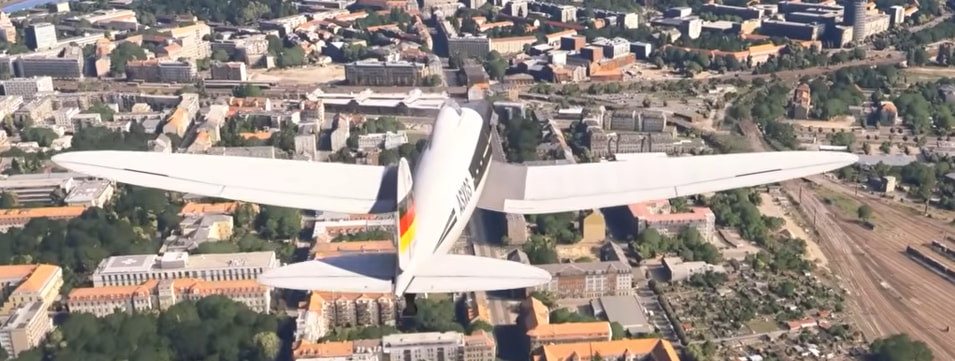
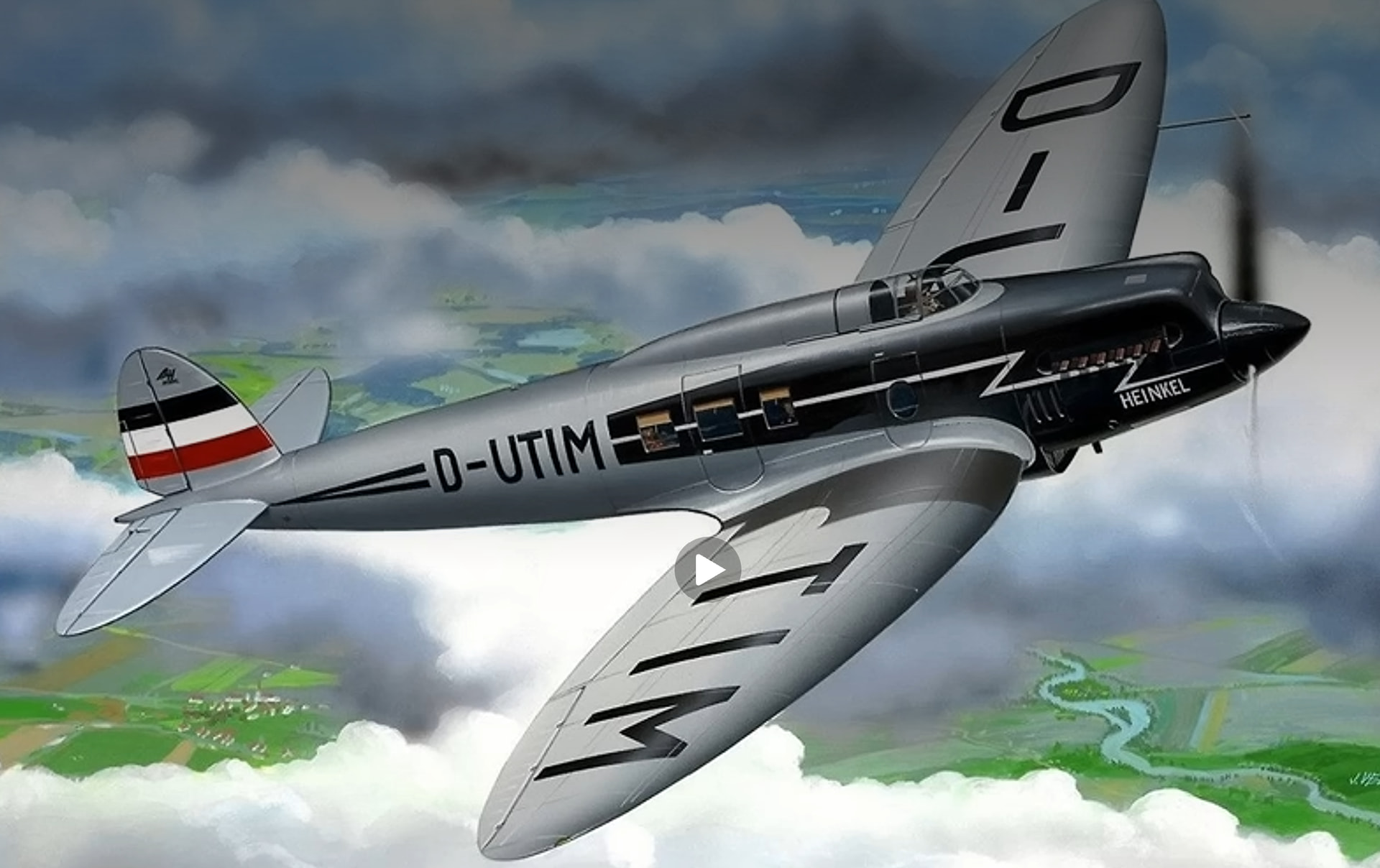
The He 70’s legacy in British aviation was traced explicitly by Reginald Mitchell’s colleagues after the war. Mitchell had visited Warnemünde during early Spitfire design work and taken particular note of the He 70’s span-loading geometry. The Spitfire’s elliptical wing is not a copy — the aerofoil section, thickness ratio, and twist distribution were all original to Supermarine — but the decision to adopt a curved planform rather than a tapered or straight wing was confirmed by Mitchell’s study of the He 70. Both aircraft achieved minimal induced drag through the same aerodynamic principle; the He 70 proved the idea was manufacturable at production scale before Mitchell committed to it for a military fighter. Heinkel He 70 Specs | Who That Plane?!
So reading your link we find that Shenstone moved to Germany and studies with Junkers.
There he met Prandtl who was a professor of fluid mechanics. Prandtl and Heinkel collaborated and shared knowledge so it is quite likely they discussed the benefits of an eliptical wing.
" Both men were key figures in the “Lilienthal Gesellschaft für Luftfahrtforschung” (Lilienthal Society for Aviation Research), a central organization in Germany that brought together top academic researchers, military officials, and industrial manufacturers.
No, agreed, it is not an exact copy and built with different materials but these men collaborated during peace time and discussed elliptical shapes of wings. The end design was different, yes!
Did Concorde copy the inlet design from the SR-71, which was crucial for both to achieve their supersonic design parameters, or did they independently arrive at them from the same research base (Russian paper iirc) customized for their specific use case? Where do you stop?
And how much did Mitchell’s discussions with them influence the Heinkel designers?
I also detect more than a hint of Stuka wing (Corsair lite™) in the HE 70 as well!
What does Hermann Pohlmann have to say about that I wonder?
Enemy a/c on both sides were also well studied when they could capture them, in order to learn what could they for either tactics or design.
Just to add some information of UK- Germany relationship at that time, the He 70 prototype was powered by a Rolls Royce Kestrel engine.
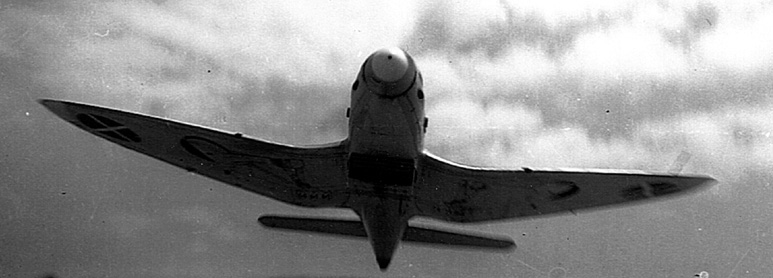
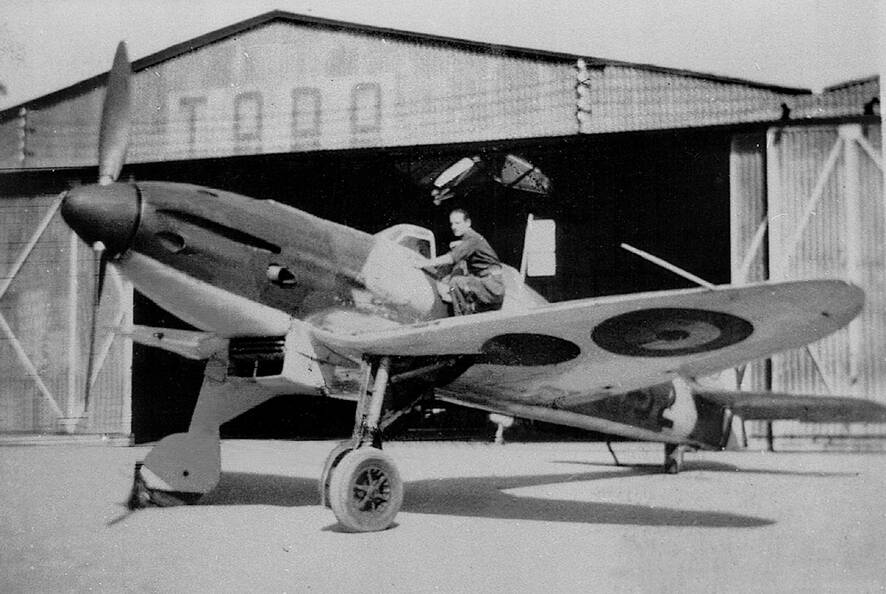
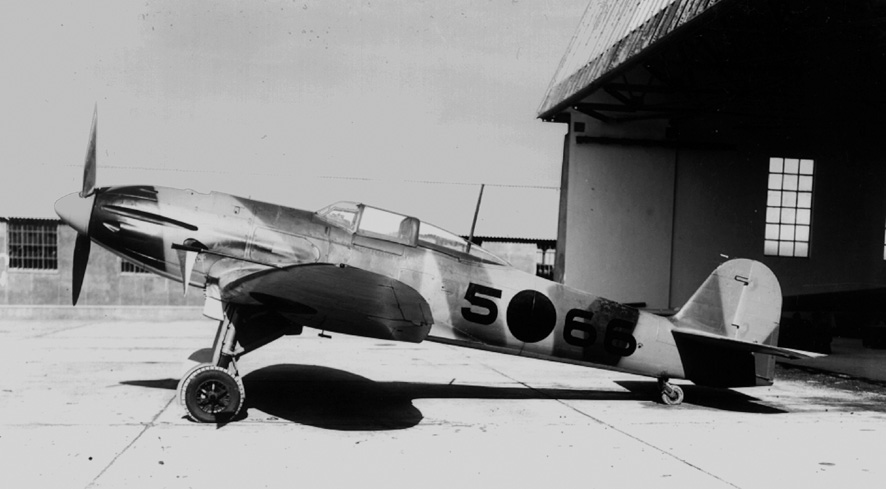
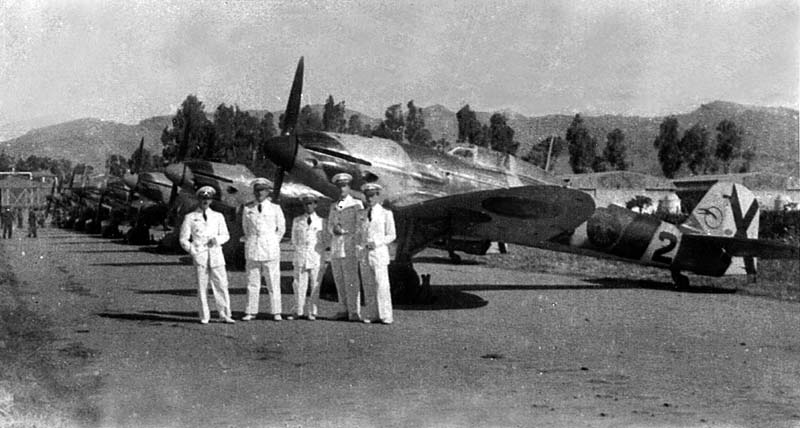
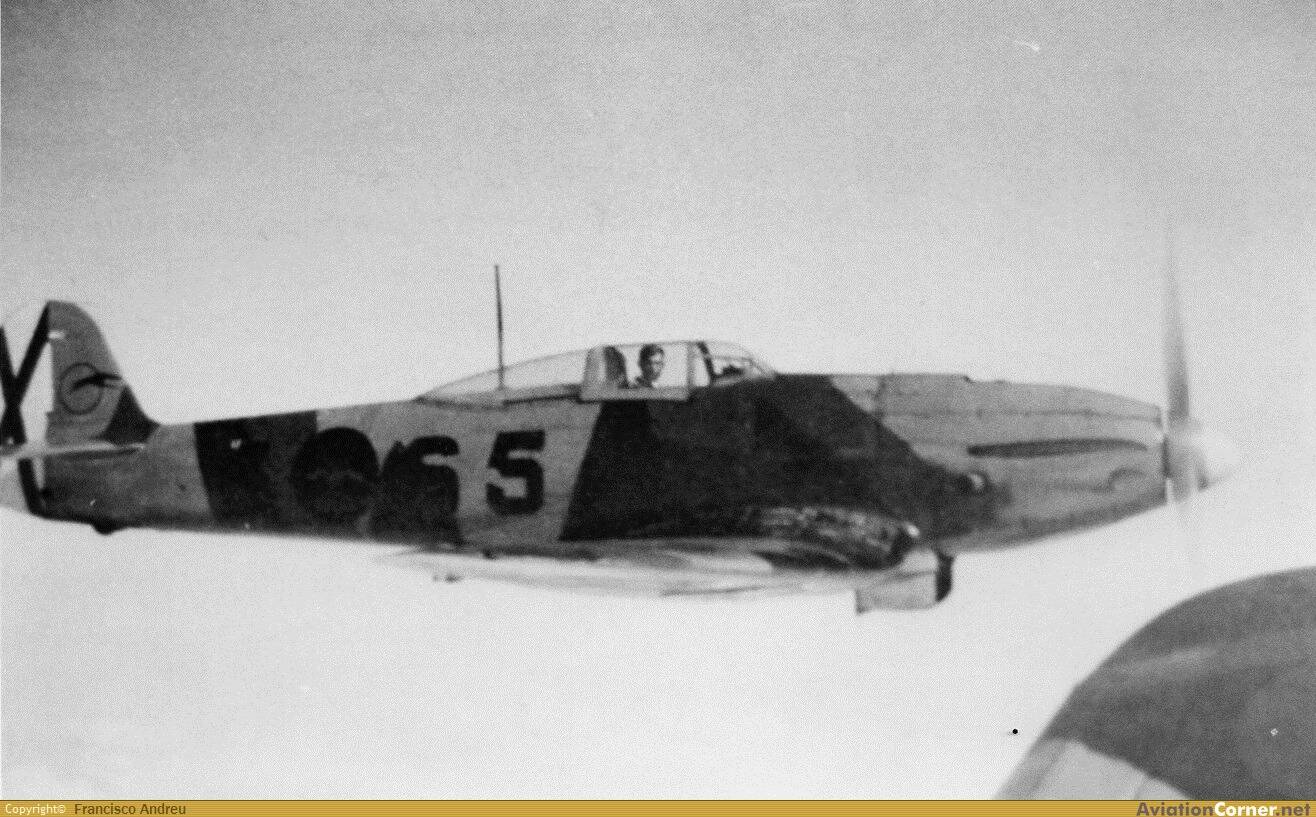
An dont’t forget the He112. Note the full visibility of the cockpit. In this picture the wing can be seen. The marks under the wings show that the aircraft is in use during the war.
The He112 was used by several airforces. Spain bought 19 units during the spanish civil war and several remained in service until aprox. 1948 mainly in North Africa. All pictures posted are from aircraft of the Spanish air Army and are cammo painted in the “lizard” color for Africa.
This He112B piloted by Lieutenant Miguel Entrena, shot down an american Lockheed P38 that invaded the spanish airspace in north Africa (used as shorcut by the allied). The american pilot was adviced to jump but he did not want, then he dropped the auxiliary fuel tanks and continued with an engine damaged but finally crash landed in the border. This caused a diplomatic incident and finally Spain decided to relax the control of its zone.