Help with Settings MSFS2024

Evening all.

I appreciate this would have been asked a thousand times, but i would be so greatful for your guys knowledge and advice.

My specs -

9950X3D, RTX5090, 2TB NVME, 64GB RAM, AORUS X870E PRO X3D MOBO, OLED 4K 240HZ Monitor.

I passion is airliners along with flying in and out of airports such as inibuilds gatwick in the fenix A320. I will be using GSX and some sort of AI traffic.

I am so overwhlemed with all the settings videos on youtube im totally lost, so desperate for a set and leave approach. I have been running various tests such as capping frames in sim or in nvidia, gsyn on/off, vsync on/off, frame gen on x2, x3. Should I cap my frames all those good things!

I get uncapped 70fps at inibuilds gatwick in the fenix a320. With a good ms and balance of mainthread and GPU limited. however i get stutters and frame spikes when panning. frames will drop to around 40-50 then rise back up once I stop panning.

Can anyone give me a step by step process of elimination or somthing to try. Im happy to reduce my monitor referesh rate down anything really my priority is smoothness.

I have my TLOD at 200 and OLOD at 100. most others things are either high or ultra to try and ramp the gpu usuage up.

I appreaciate this would have already been asked but have struggled to find a solution that works for me. I JUST WANT TO FLY!

If i have missed anything please let me know.

Thanks!

I would recommend lowering your monitor refresh rate to 60Hz, capping sim frame rate to 30, and running frame gen at x2. VSYNC, if you use it, should be in-sim rather than NVidia side. That’s my “set it and forget it” recipe. I never think about frametime or frame rates when I’m flying, day or night same settings.

As long as you’re matching your monitor refresh rate with your final steady consistent locked and multiplied frame rate (instead of something wasteful like 62fps or something nonsensical like that), you’re generally good to go.

I generally try to avoid outsourcing too much responsibility to AI tools to tell me what I see, and it would be hard for any one to tell you specific settings to use for your setup. But the ones I mentioned here are generally good practice for smooth simming.

I have found ChatGPT very helpful solving issues in MSFS 2024!

Oh god! ChatGPT is why im here LOL :sweat_smile:

Thank you I will give it a go!

You are going to get a lot of advice here!

Before MSFS, can you provide any details about your PC, such as:

BIOS

  • EXPO should be Enabled (assuming EXPO Ram…), this allows your motherboard to run your RAM at its advertised speed, and this alone improves MSFS significantly.
  • PBO should be “enabled”, this allows your CPU to use the built in AMD PBO algorithm, which allows the boost clook safely within thermal and power limits.
  • If you want to improve on the above, you would set PBO to Advanced, and set the Curve Optimizer to All Cores, Negative 10 - this slightly reduces voltage and heat, making a bit of headroom for that boost clock. Completely safe.

Windows

  • Can you tell us the Refresh Rate shown in Settings > Display > Advanced Display?

NVIDIA App

  • Have you made any customizations here?

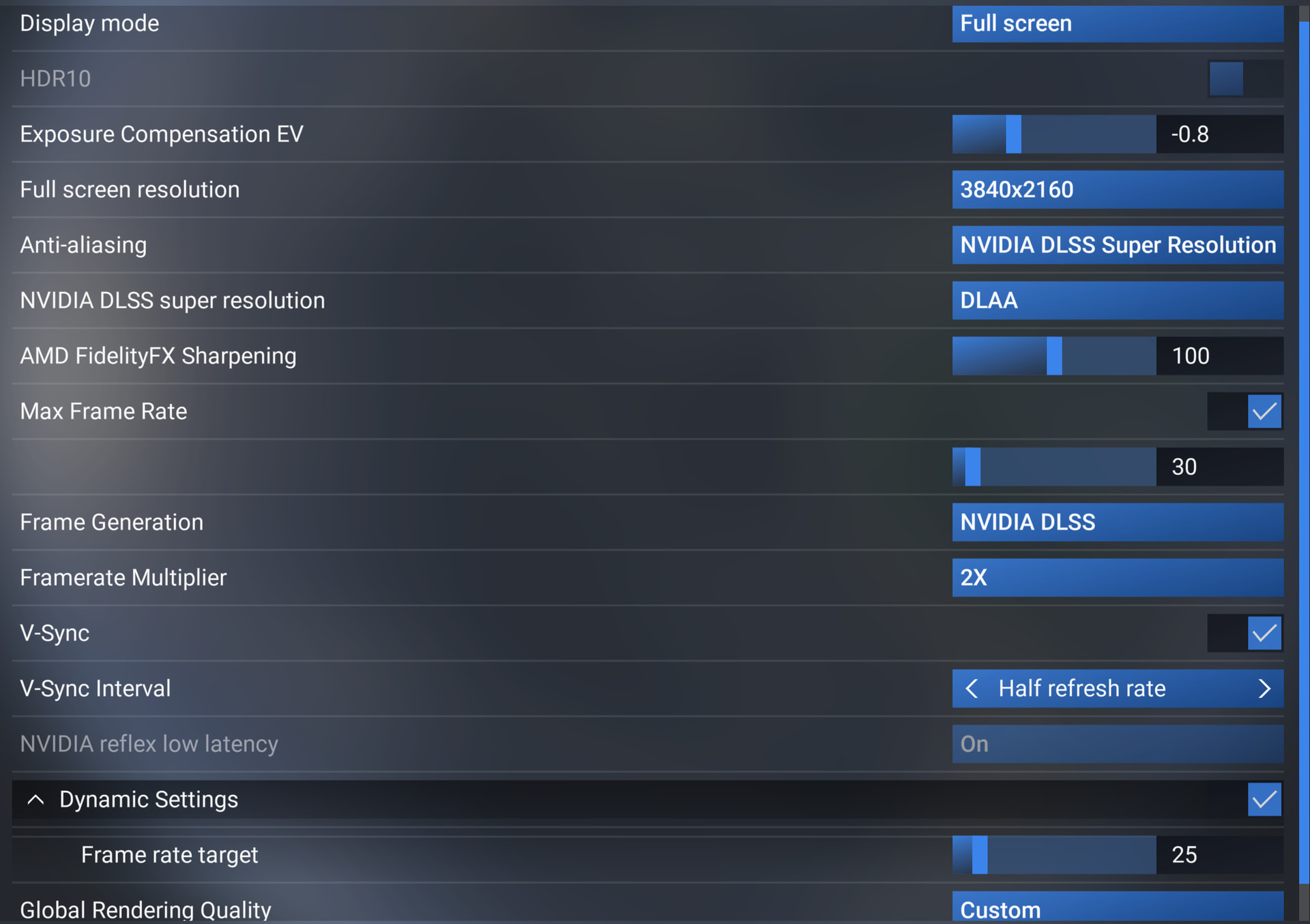
As for MSFS, here are my settings (9800X3D, 5090) when using a single 4K screen:

  • Windows > Display > 120 Hz
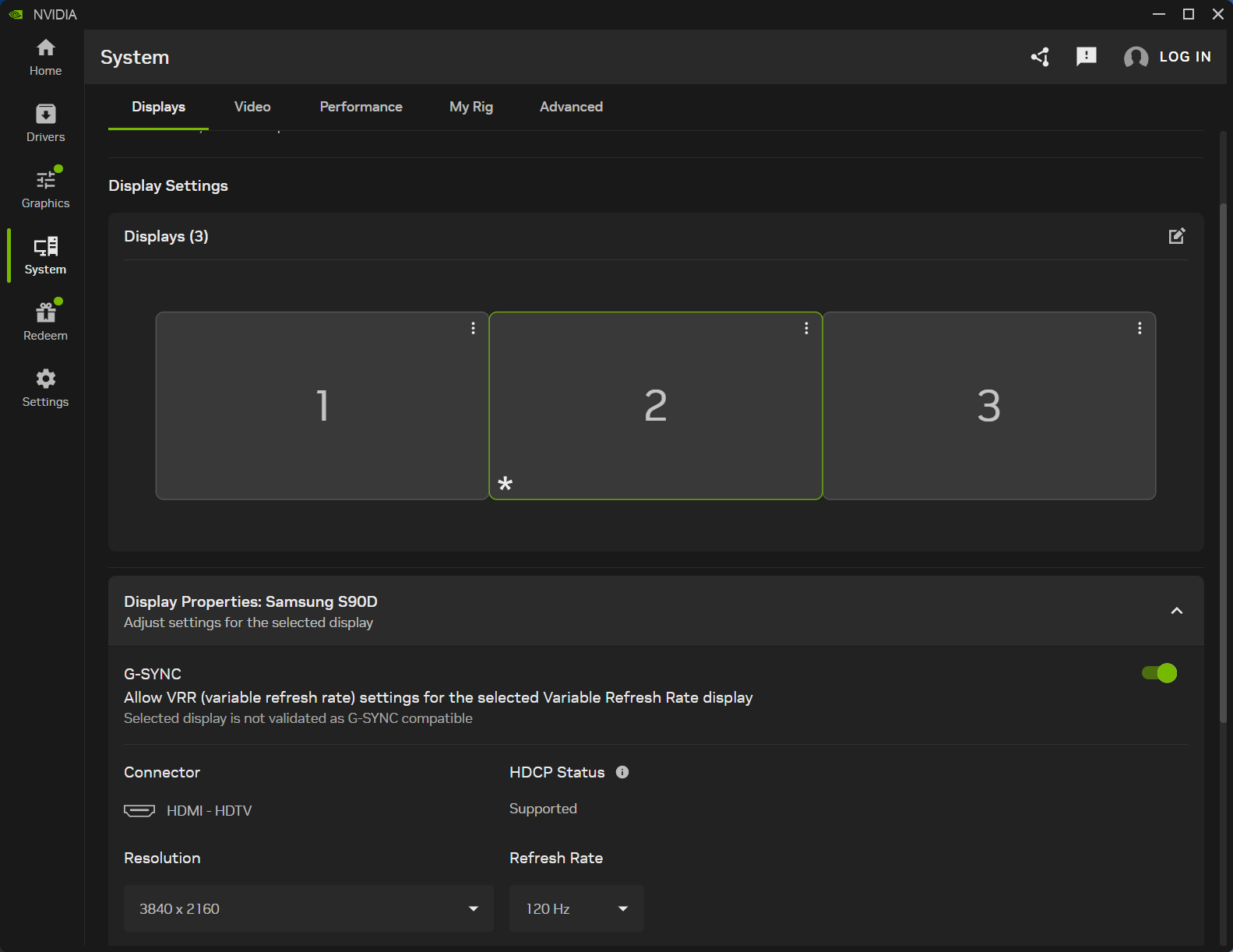
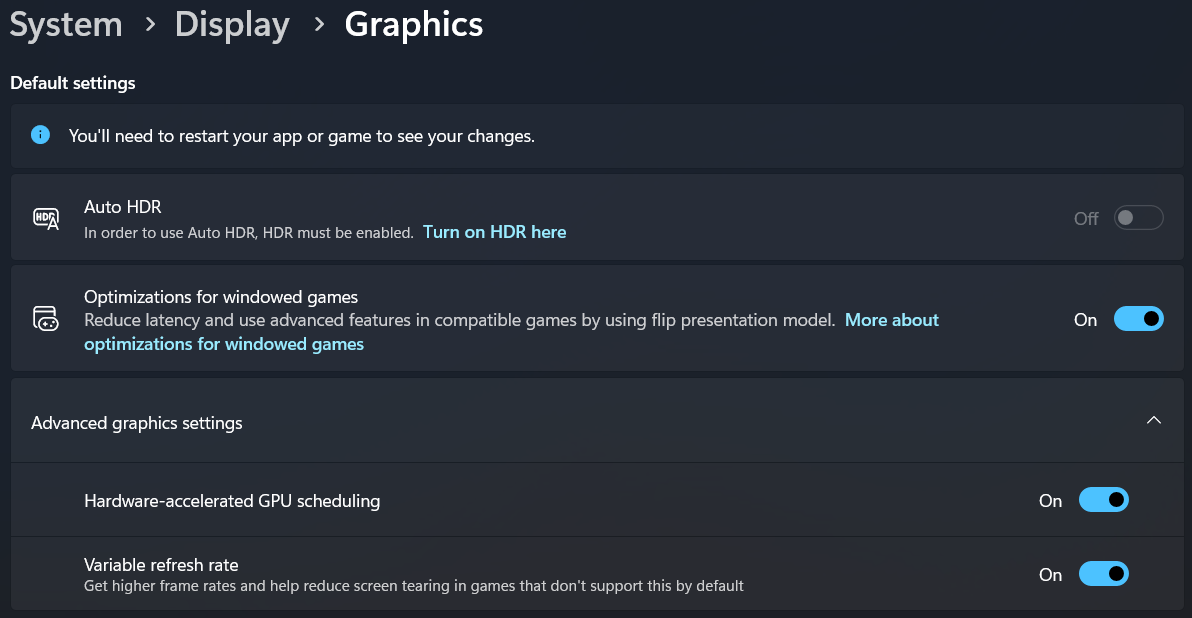
  • NVIDIA > System > GSync Compatible, and enabled, so VRR is enabled in Windows (this can be tricky, you want to make sure Windows > Settings > Display > Graphics > Advanced Graphics > VRR is shown and on…)
  • Anti-aliasing: DLAA daytime, TAA night
  • Max Frame Rate: I set to 30 FPS
  • VSync: On, Half Monitor Refresh
  • Frame Gen: DLSS x2 (target is 60 FPS)
  • Dynamic: On, 25 FPS
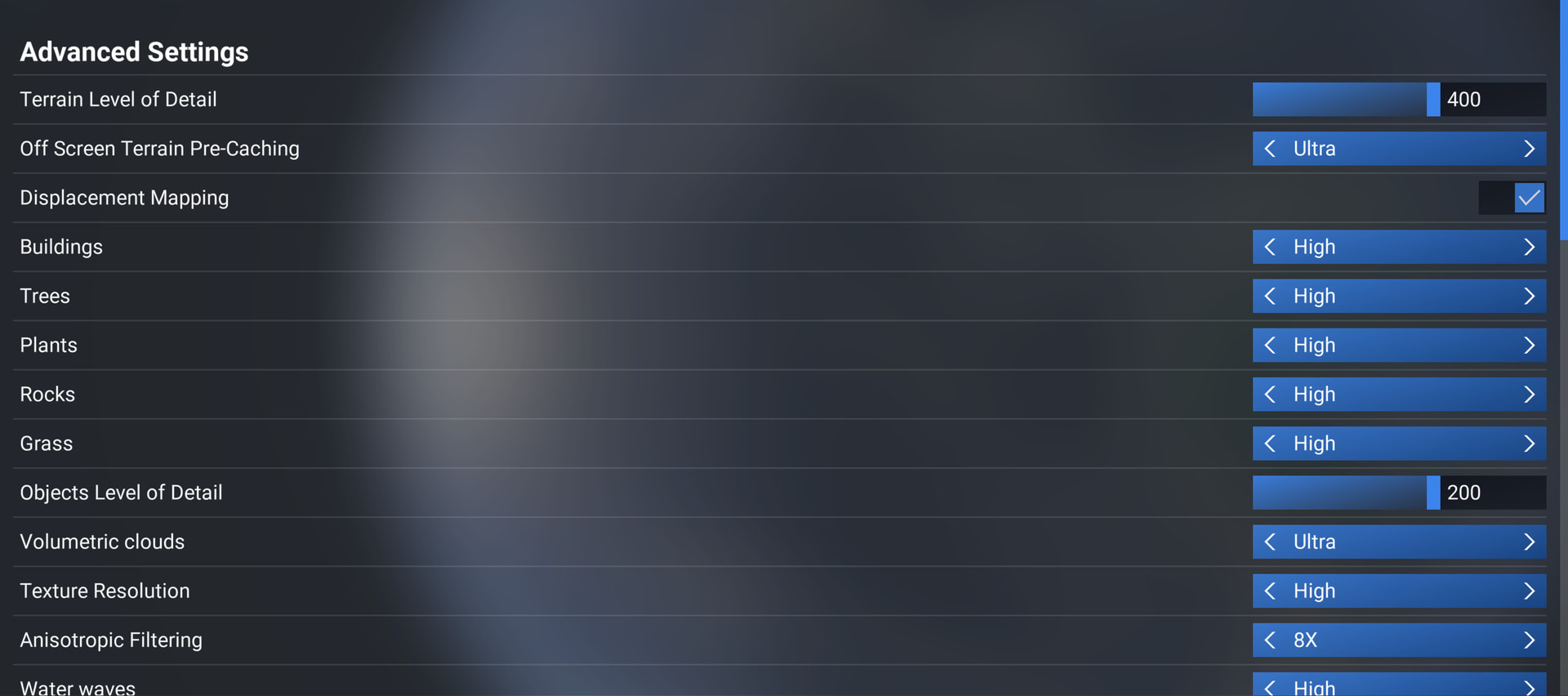
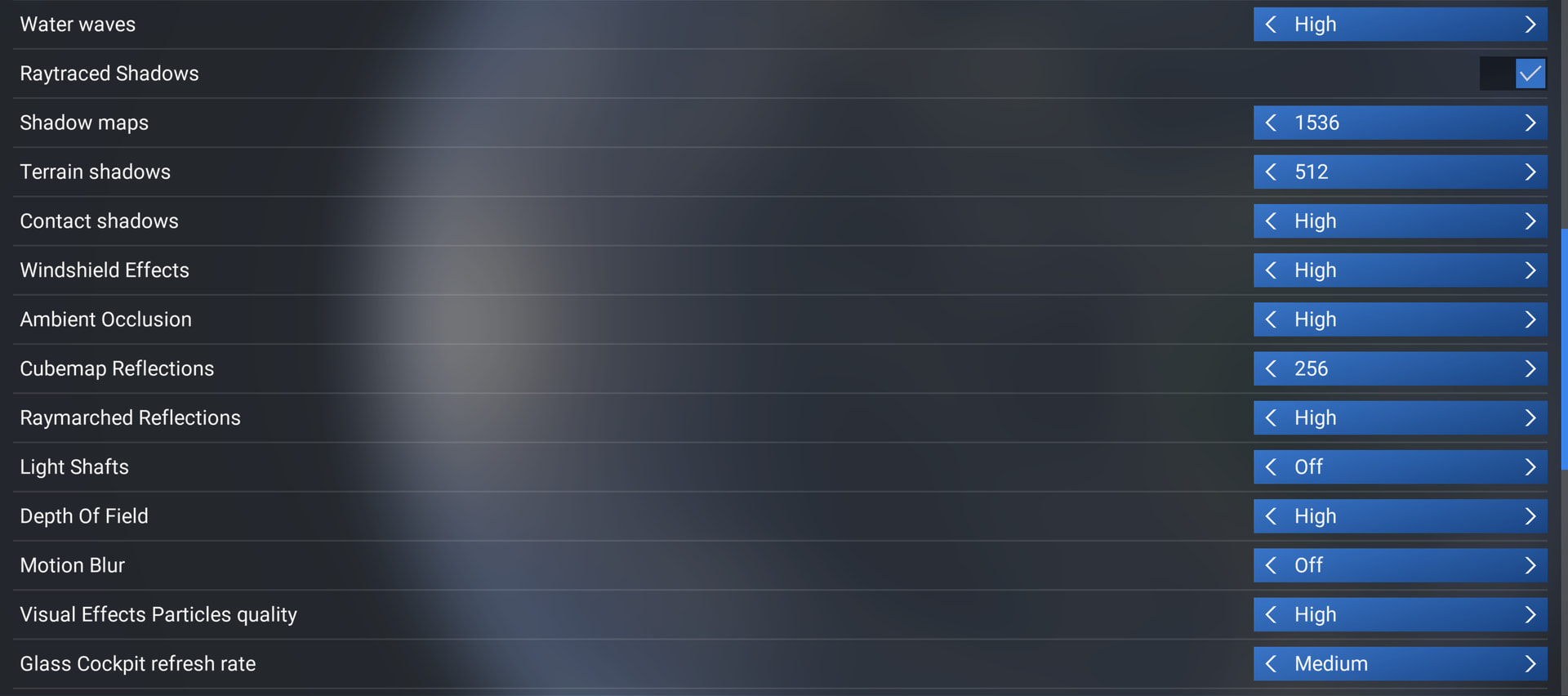
  • Global Rendering Preset: High + TLOD 400 / OLOD 200
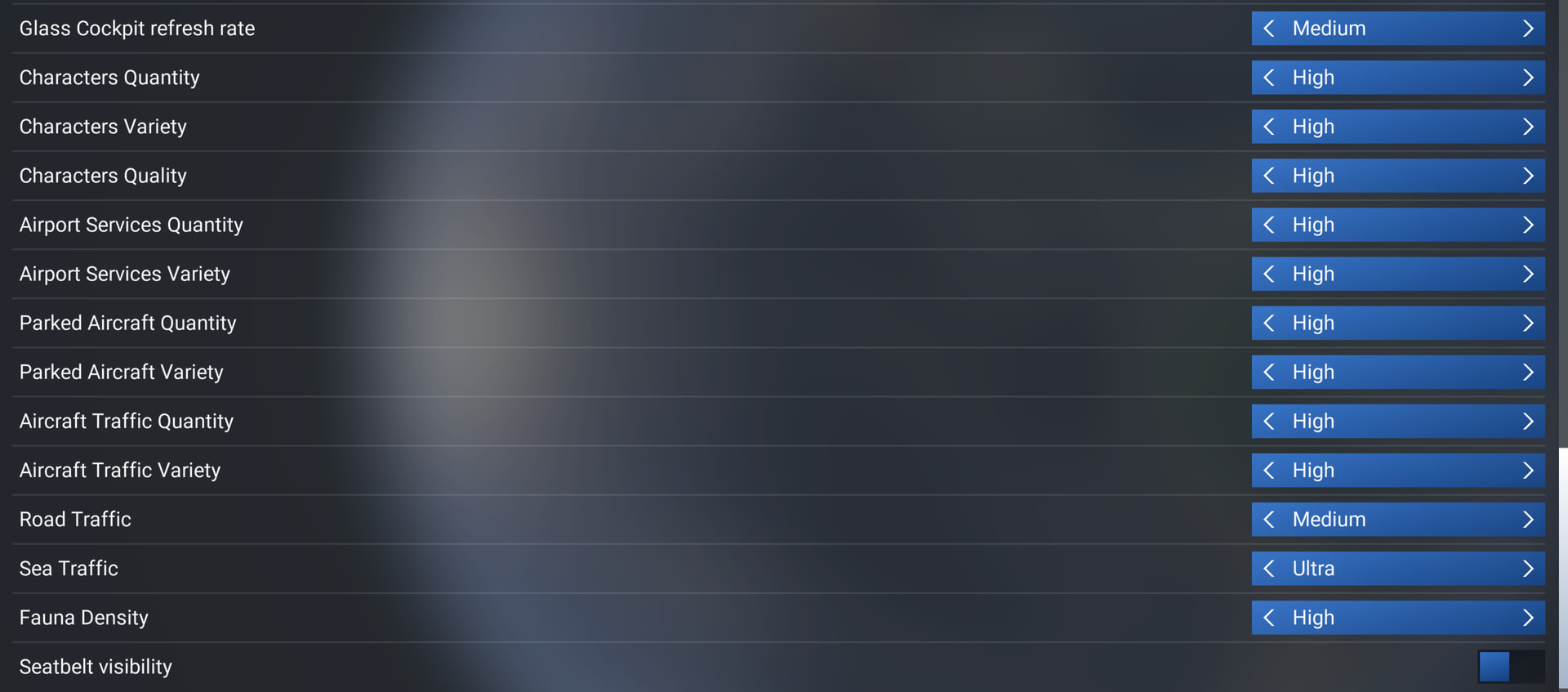
  • I turn Clouds and Terrain Precache to Ultra, I turn MSFS Traffic down, or Off when using BeyondATC
  • (When I use 3x 4K screens, I disable GSync/VRR, use fixed refresh, and set Frame Gen to FSR not DLSS)

What the above does:

  • By having Max Frame Rate set to 30, it means MSFS has more time to render each raw frame, and this creates a buffer for when you are panning the view, or taxiing and landing, when a lot of ground objects and traffic are being loaded / unloaded in to memory - to avoid stutters.
  • By have Frame Gen x2, it brings the frame rate back up to 60 FPS for a mostly smooth experience.
  • GSync / VRR enabled means that the monitor only draws a frame when it is ready, so even if it’s 58 FPS it’s still relatively smooth instead of skipping a frame
  • VSync is there to prevent tearing, and as a backup when the frames dip below the TV threshold of minimum 48 FPS
  • Dynamic is MSFS way of setting a target minimum FPS. Setting 25 + Frame Gen x2 means that if the FPS drops towards 50, MSFS will reduce TLOD, OLOD, and Buildings LOD to maintain 50, and then allow it to increase again once the pressure is relieved.
  • You can probably set your Global Preset to Ultra and TLOD 400 / OLOD 200, but you will get some stutters with MSFS traffic quantity, and parked quantity at Ultra.

Other people with similar hardware take a slightly different approach and simply limit Max Frames to 60, and don’t use Frame Gen at all. You can try that, but you may still find at airports occaisional stutters no matter what you do.

I believe this is more MSFS issue than yours. There are a experienced users with different top hardware who report the same issue.

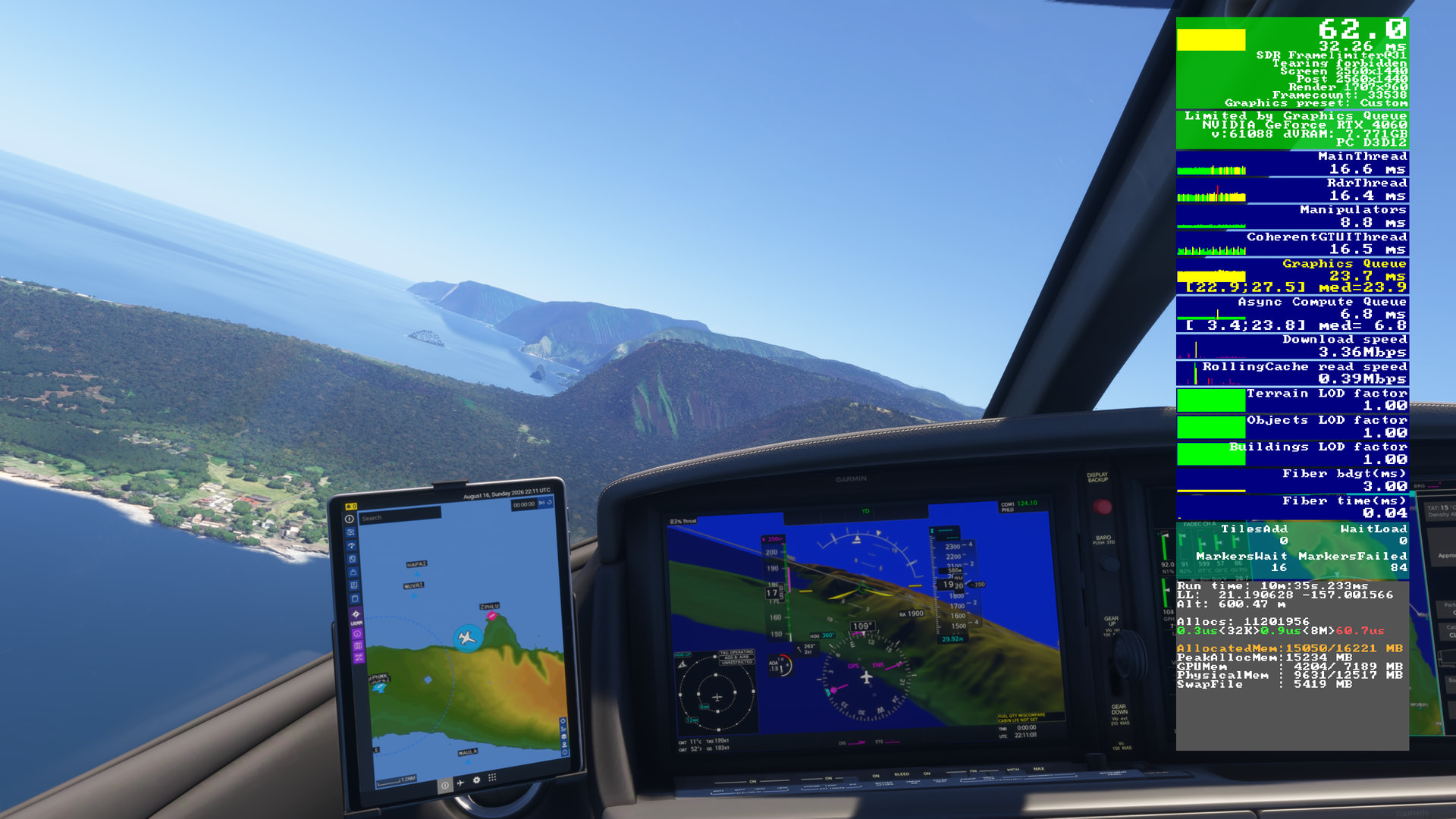
On my side I have just a RTX4060 8G and I75930K (below min req) and can not use TLOD/OLOD bigger then 80/90 without killing my GPU however I play comfortably (panning problem still exists however and going to the bad side with every new SU update since SU4) on my settings I discovered with the help of… AI in my Firefox browser:) The procedure is simple - I look at Overlay available via menu - General -Advanced Options-Developer Mode to On-menu Debug- Display FPS and check What the Overlay Shows. And then ask AI how to make this or that setting better. If you decide to go this way just avoid to brave AI proposals to change something in BIOS or Windows register until you are sure you can cope with them without damaging your system.

This is what I have now with FG ON

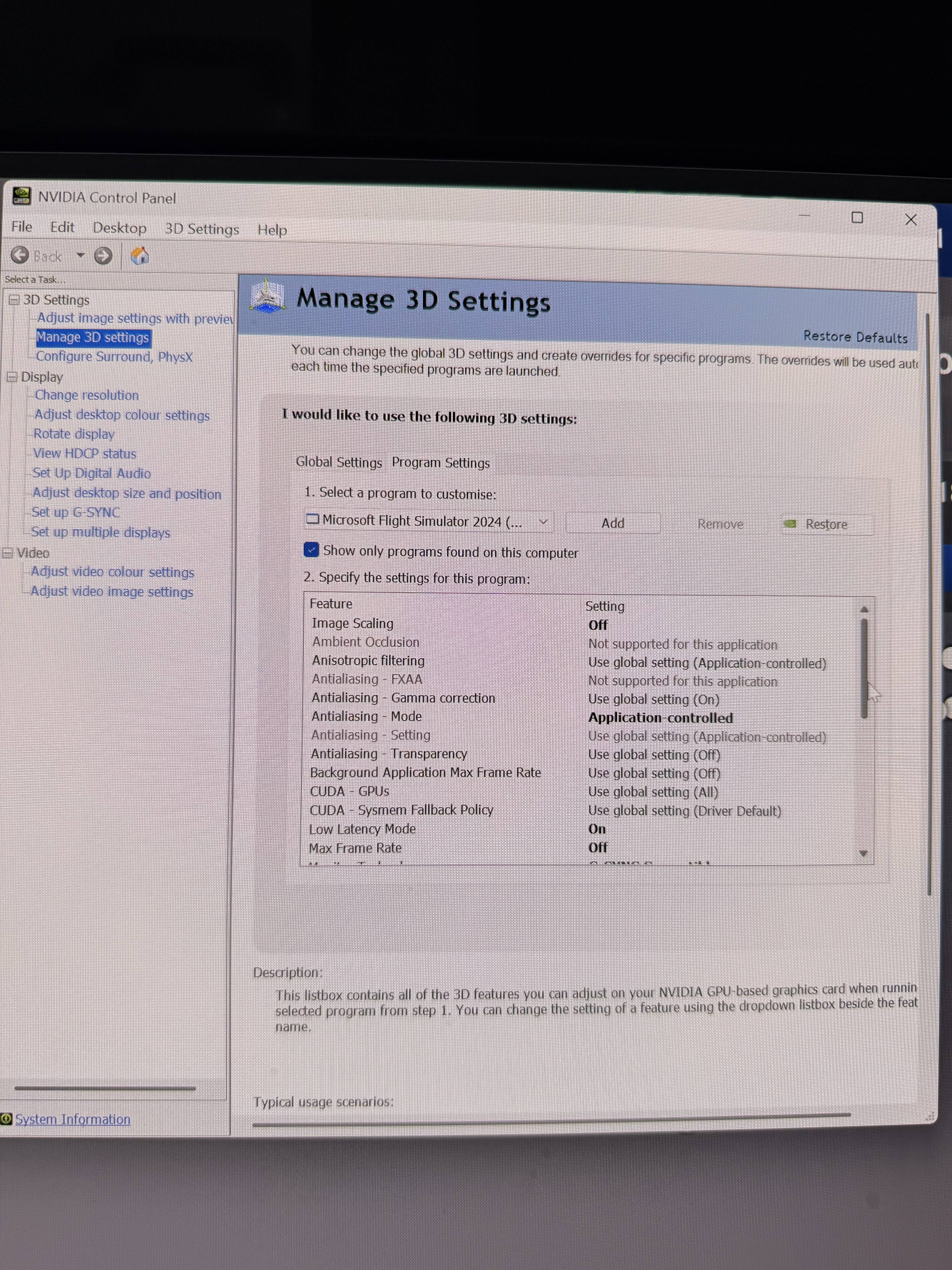
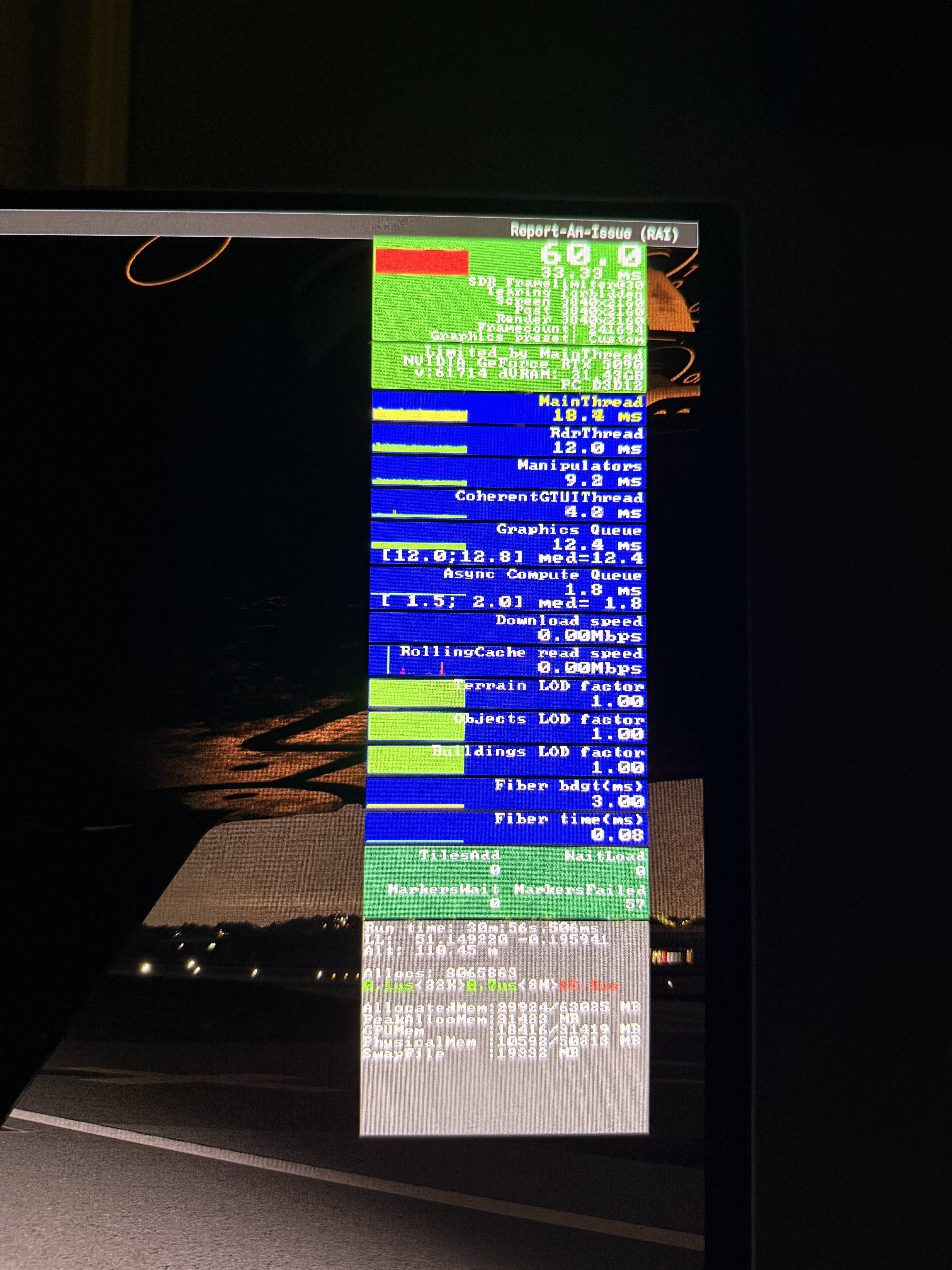
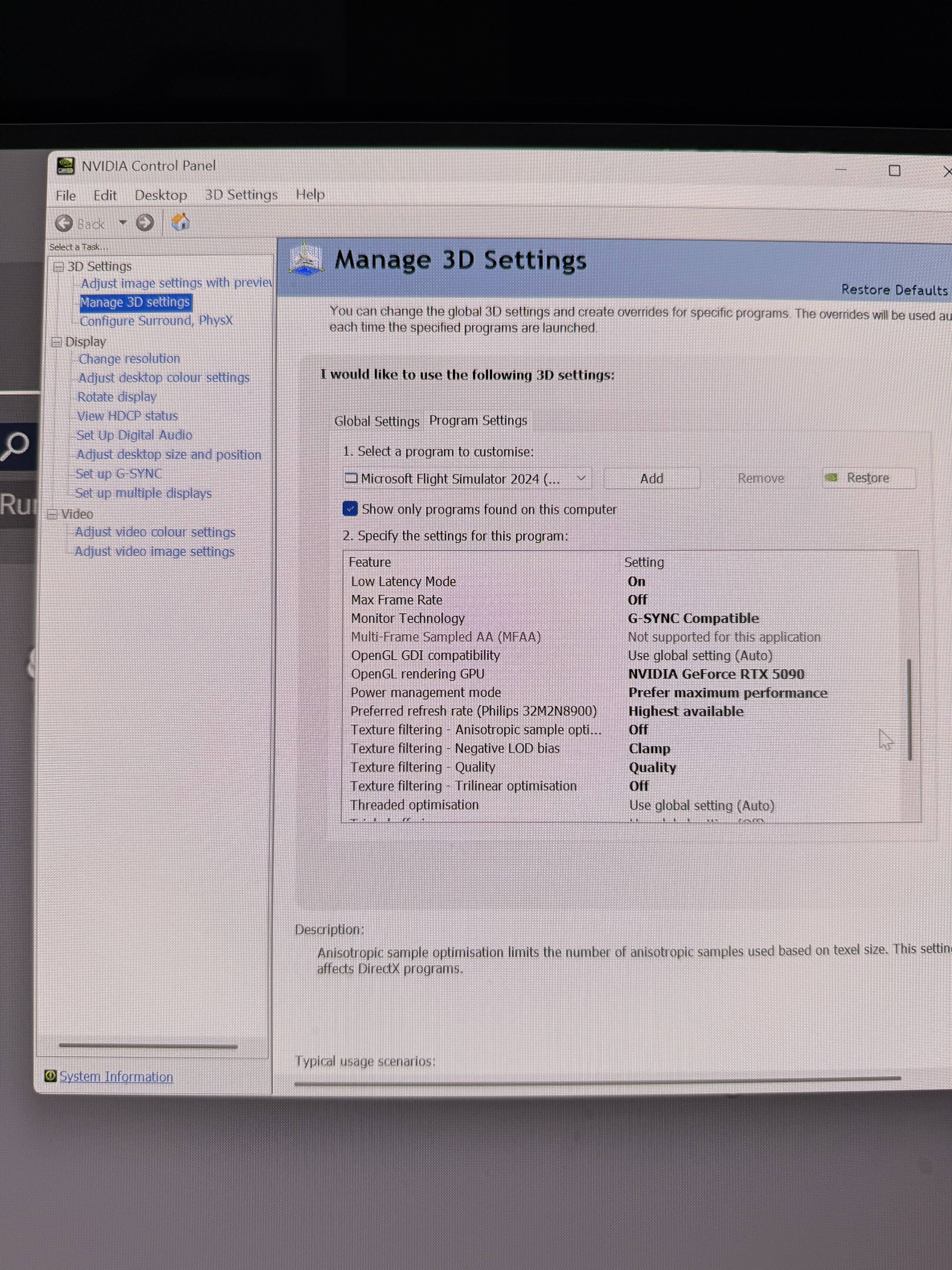
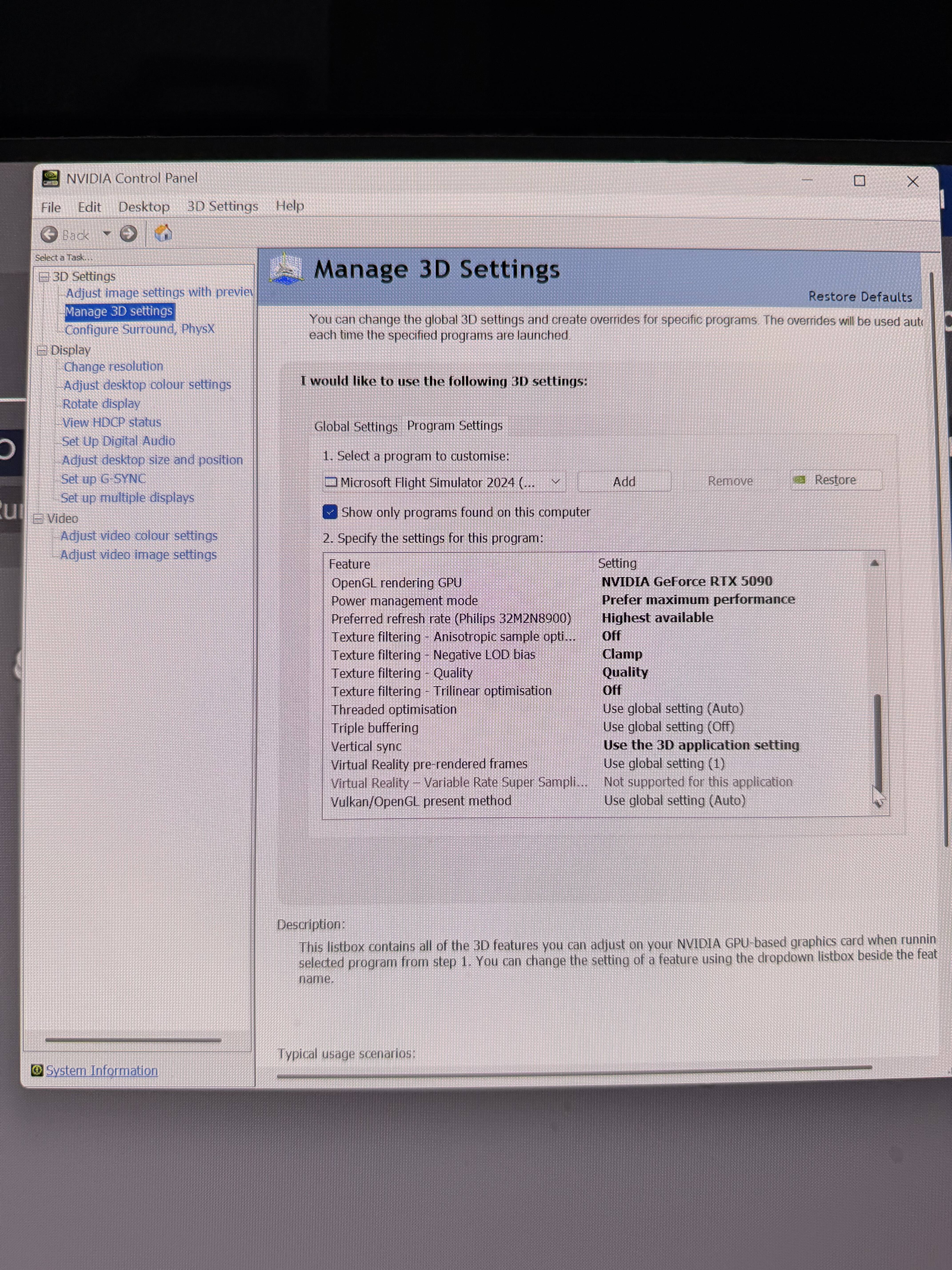
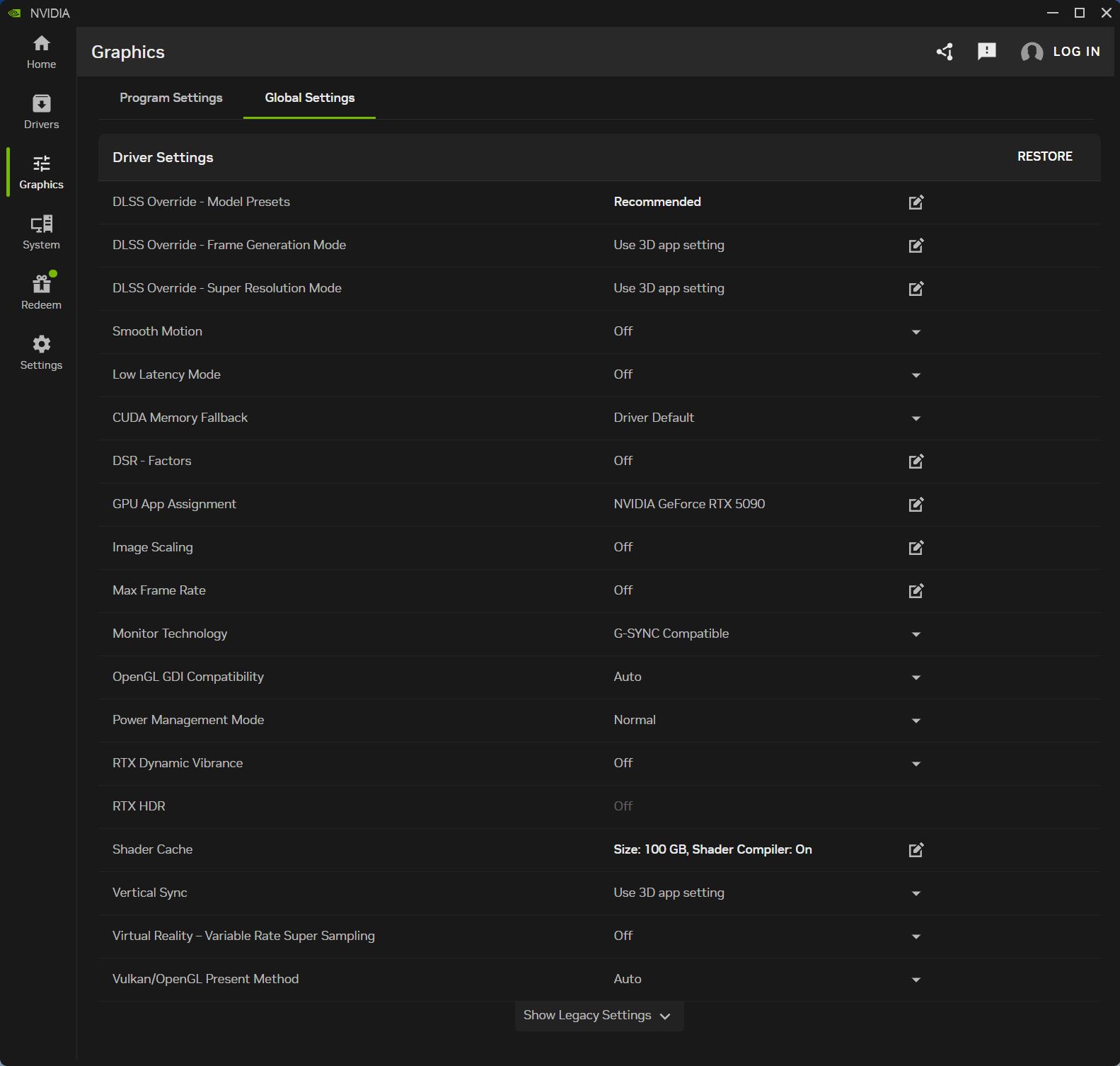
Hi Gimbal, thank you for the advice and settings. I have screenshot below my current nvidia panel and nvidia app settings. I’ve also taken a screenshot of the settings you suggested whilst in the fenix at Gatwick. It did feel a lot better in terms of smoothness, there was the occasional spike but nonetheless smoother. It has increased my main thread ms by a few points which I’m presuming I should just live with? Let me know your thoughts.

Also sorry whilst I remember I don’t have PBO enabled purely because I don’t want to break anything and having just brought a house I can’t afford another cpu right now :face_with_peeking_eye::rofl:

Yes, so that’s a good result.

Understanding MainThread and the other values measured in milli-seconds… 18 ms is good. With your configuration now, anything under 33 ms will be fine.

Explanation

Note:

  • The FPS shown in big numbers is after Frame Gen, 30 x 2 = 60 FPS…
  • The other metrics are on raw frames, before Frame Gen, in your case based on 30 FPS since it is capped.
  • FPS is Frames Per Second
  • They are “Seconds Per Frame” in milliseconds, or 1/1000th of a second.
  • Frame Time in ms = 1000 / FPS
Raw Frames Per Second = ms per Frame Note
1000 FPS 1.00 ms
120 FPS 8.33 ms
60 FPS 16.67 ms
30 FPS 33.33 ms your cap
25 FPS 40.00 ms Dynamic kicks in

So when MainThread (or any other metric) is under 33.33 ms, it is capable of producing more FPS than the cap of 30, meaning, it has a bit of extra time. If any value goes over that 33.33 then you will start to notice, a bit. If any value goes over 40, then FPS drops to 25 and the Dynamic setting kicks in to lower TLOD to preserve 50 FPS

3 Examples, starting with your 18 ms…

Raw Frames Per Second = ms per Frame Note
55.6 FPS 18.00 ms good, more than your 30 FPS cap
28.6 FPS 35.00 ms so-so, 25-30 FPS
21.3 FPS 47.00 ms bad, under 25 FPS, Dynamic kicks in

The stutters you notice most in MSFS I think are caused by some other aspect in the render pipeline where objects are burst loaded in to memory and it just locks up the render queue somehow, you’ll see purple in the FPS overlay.

What version of NVIDIA do you have installed?

I ask for 2 reasons:

NVIDIA stopped installing the NVCP a while ago, and now you just use the App for any settings. Be sure not to set conflicting settings, or, consider just using the App…

You have quite a few things with custom settings in NVCP showing (anything in bold)… in general, I use default settings in NVIDIA except:

  • Monitor Technology = GSync Compatible, VRR On
  • DLSS Override - Model Preset = Recommended
  • Shader Cache = 100 GB (not sure if this matters)
  • Leave everything else as default (allowing 3D application, ie MSFS, to determine settings)

Be sure if whenever you use the NVIDIA App to disable it’s “Optimization” of MSFS.

As for PBO, you shouldn’t be afraid of it - it is AMD’s own algorithm, and sets its own safety limits, and allows the CPU to use it’s own boost clock, which is what you paid for.

What I do, is install HWInfo, and just open it in Sensor Mode, to view the CPU and GPU temperatures every now and then while MSFS is running. That way you’ll know what you are working with.

Screenshots of my settings

My settings when using 1 screen (9800X3D / 5090 / 4K), applied in this order…

NVIDIA App > System > Displays > GSync VRR > ON

NVIDIA App > Graphics > Global >

  • everything at defaults, except
  • DLSS Override - Model Preset = Recommended
  • Shader Cache = 100 GB, Compiler On

Windows > Settings > Display > Graphics > Advanced > VRR

Windows > Settings > Display Advanced > confirm VRR and Refresh

MSFS Graphics (for 1x 4K screen)
I use the High preset and increase TLOD / OLOD, and mostly I turn MSFS Traffic quantities off, because I use BeyondATC for traffic.