It’s the most popular variant used by airliners. So for those who love recreating real flights, this is the variant to get. This is at least for me is the main reason why I’m waiting for the 800
Interesting, that brake temp isn’t that common. I had just assumed that it was standard. Seems like a useful feature to have, no? Coming from my other favorite jet (CRJ700), I was amazed at how little info is actually displayed on the status page. The CRJ has pages and pages of detailed system info, while the 737 screen is limited to a single page with very little being presented. Apples and oranges of course, just making the comparison. Makes me appreciate how extremely well the CRJ’s cockpit and display systems are laid out.
Just love that PROG button on the FMS which I just discovered. Lots of info at a glance including fuel estimates, wind, distance to waypoints, and distance to T/C and T/D. The -600 is my first PMDG purchase and it has exceeded expectations.
Well it’s an old platform. Just think that The type rating goes from the 737-300 all the way to the MAX. They can’t make them dramatically different in terms of displayed information or else they’d require more than just differences e-learning and a simple sim session.
Having brake temp isn’t that useful when you have an EFB that calculates brake cooling requirements. On the 757 we had brake temperature indicators and on the 737 we don’t. In the end it all comes down to how long you have to wait until you can take off again and it doesn’t matter if that time calculation comes from a brake energy calculation with the EFB or the Brake Cooling tables from the QRH or from a temperature indication in the status page.
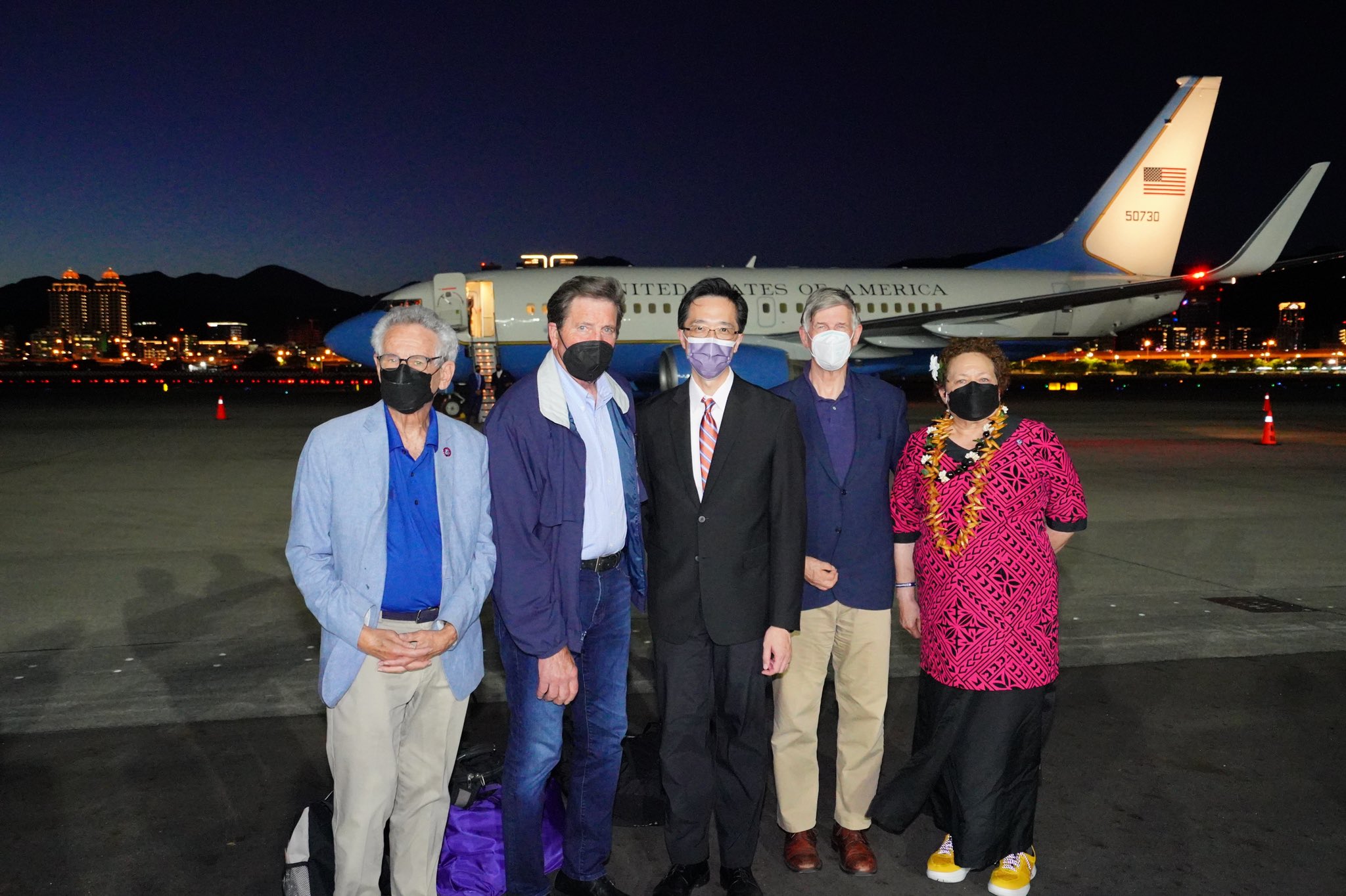
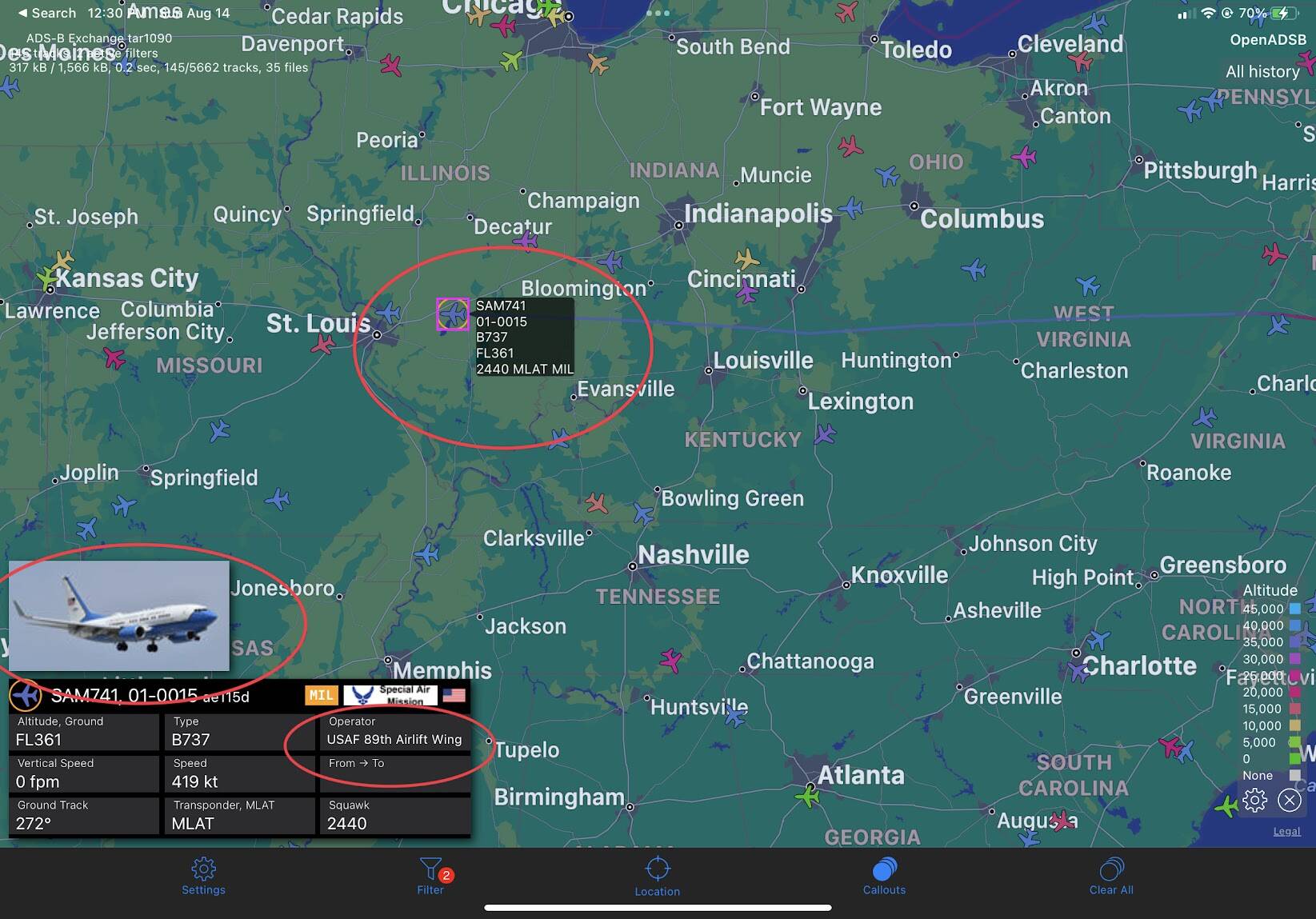
They still show up in ADSB as an ICAO type B737 and they can regularly be observed flying around the US and probably some select overseas routes. Just a few minutes ago, for example:
Hi,
I have a query for the 736 MSFS version experts here…
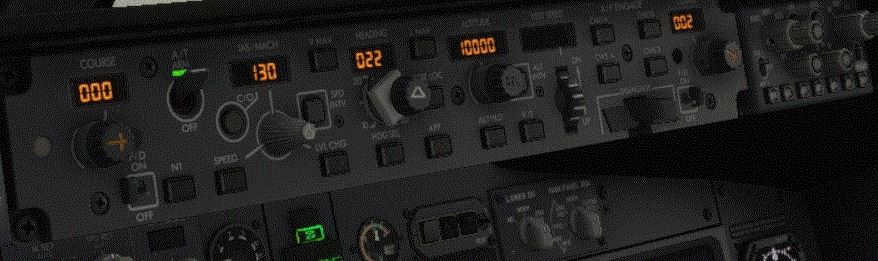
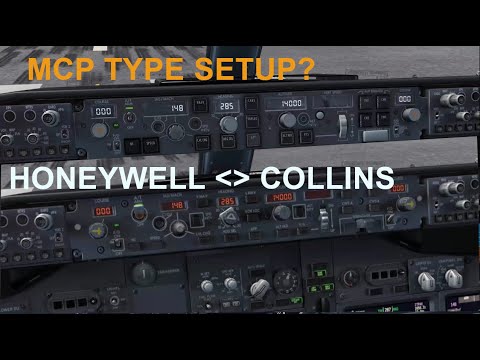
After inadvertently crashing into a field again, I hit the reload button, the flight reloaded as normal but the MCP (Auto pilot) panel had changed into an older version for some reason. I don’t know if the rest of the cabin is different.
I have uninstalled the 736 MSFS and reloaded a new copy from the PMDG site and it is still showing as the older version… All functions of the MCP work as normal but the knobs are different.
See attached screenshot…
The best help you can get is this; read through the Introduction PDF contained inside the Documentation folder for the aircraft, inside your Community folder. Then spend 90 minutes or so working through the Tutorial PDF and making that flight. You probably won’t crash into fields after those two steps.
@FormerSnail5736 Just a question regarding cockpit lighting… Do you use flood lights during take-off’s/landings in 737 at night? I have seen many videos of different airliners during take-off/landing and some pilots using them while others not. I guess that’s something you just discuss and agree with the other guy in the cockpit or is it a part of the SOP of your company?
It’s a good question. I had to search in all our manuals to see if this is regulated in any way but I couldn’t find anything.
We do use flood lights (not the horrible dome white light). Cameras don’t really represent correctly how dim every light is at night. The flood lights are usually only bright enough to distinguish the contours and actual knobs and buttons in the cockpit and then the panel lights are also just bright enough to be able to read the markings in the cockpit. It’s very dim. If you walked in the cockpit after spending some time in a fully lit passenger cabin you would need to wait some time for your eyes to adapt.
In the cruise I like to turn up the circuit breaker lights a little bit to create an extra romantic atmosphere.
I do remember from my time as a flight attendant at Emirates (some 15 years ago) that during the long cruise they had dome lights on full bright most of the time. That was probably because there was usually a few visitors in the cockpit most of the time (usually cabin crew) and maybe on long haul flights the cockpit may be a bit more “social” during cruise than in short haul operations. I don’t really know if that’s still the norm nowadays or if that also changed after Germanwings.
Anyway, yes, the flood lights are used very dim most of the time but it’s a matter of preference.
I’ve never used Prosim. I’m not an airbus guy really. I mean, I’m not 100% lost in the cockpit but I can’t tell how close it is to the real thing because you can’t know that unless you fly the real one all the time.