[UPDATE 1.1] Mi-2 Hoplite Helicopter for MSFS-2020 | Digital Aeronautics
Systems
• Fuel system. Corrected fuel transfer between tanks
• Hydraulic system. Operational pressure corrected
• Anti-icing system. Heating cycle and load behavior implemented
• Electrical system. Corrected power supply from converters and indicator lights
Instruments
• Added TNV-45 thermometer
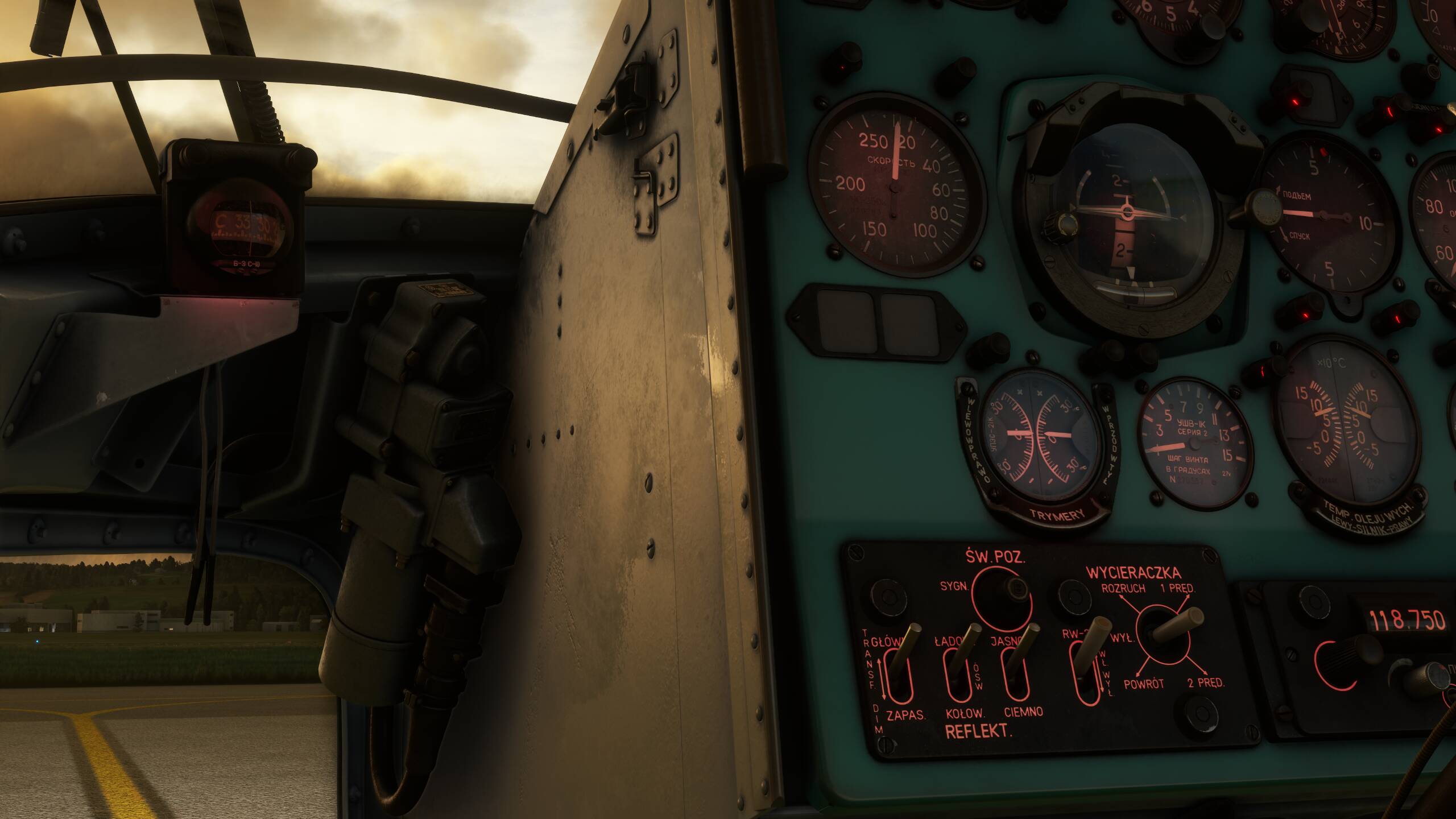
• UGR-4UK course indicator. Initial course alignment, synchronization process, and ADF needle behavior updated. Added bolt into the vernier slot, corrected material of the vernier, added scale to the COURSE RP pointer
• US-250 airspeed indicator. Response to wind, airflow and direction effects implemented;
• USHV rotor pitch indicator. Realistic behavior during power loss
• KI-13K compass. Recalibrated, corrected scale and rotation direction, added decals, added heading index
• Pressure gauges. Corrected needle response to electrical power input
• Fuel gauge KES2097. Corrected behavior for more realistic fuel transfer indication between tanks
• RV-3. Added decals on the instrument frame
Powerplant
• Rotor RPM governor and engine response to controls made smoother and more realistic
• Exhaust gas temperature. Corrected start-up spike and gradual cooling after shutdown
• Oil pressure. Aligned with operational regimes
• Engine shutdown behavior made more realistic
• Fuel consumption refined according to documentation
• Corrected engine power curve across full altitude range (0–5000 m) according to GTD-350 performance tables:
(a) 0–750 m: slight power increase
(b) Above 750 m: linear power decrease
• Ambient temperature effect on engine power is controlled by simulator logic
• GTD-350 power curve is nonlinear; at +25°C and above, simulator may produce excess engine power • Added engine spool delay behavior:
(a) Raising collective too quickly can prevent engines from immediately reaching the necessary power, leading to a temporary drop in rotor RPM
(b) According to documentation, collective should be increased to takeoff power within 6–8 seconds
Rotor RPM corrections across all regimes
• Single engine at idle: rotor RPM = 40%
• Two engines at idle: rotor RPM = 50%
• More realistic rotor spool-up during engine start
• Smoother rotor deceleration during shutdown
• High power mode (right correction): rotor RPM maintained around 81%
• Adjusted rotor spool timing to operational regimes
• Adjusted rotor spool-down timing to idle regime
• Collective / engine RPM / rotor RPM relationship aligned with documentation across all flight phases • Collective 0–8: rotor RPM maintained at 81%
• Collective 9: rotor RPM 80%
• Collective 10: rotor RPM 79%
• Collective 11+: rotor RPM 78% and lower
Flight Model
• Improved ground effect modeling (hover performance near ground partially corrected)
• Rotor blade lift characteristics adjusted. Reference condition used for tuning:
(a) Takeoff mass: 3200 kg
(b) Outside air temperature: +18°C
(c) Pressure: 740 mmHg (H760 = 250 m)
(d) Hover height: 15 m
(e) Engine power: 93%
(f) Rotor pitch: 7.5°
• Rotor blade performance generally matches documentation in cruise modes, but some issues remain. With increasing airspeed, rotor unloading is insufficient, resulting in higher required engine power
• Autorotation.Simulator does not model freewheel clutch behavior, resulting in excessive rotor RPM decay after engine shutdown in flight. Other blade characteristics during autorotation are generally within expected behavior
• Increased aircraft responsiveness to control inputs
(a) Reduced instability in hover
(b) Improved stability with increasing airspeed
(c) Faster response in roll and pitch inputs
Interior
• Added labels to the fuse box cover and flare launcher panels
• Added missing bolts and rivets
• Added latch striker plates on the frame of the front right door
• Added textures to the wiring of ceiling lights
• Added bolts into the openings of lighting regulators
• Corrected shading on lighting regulators and anti-icing system controls
• Added sealing rubber for the front left door
• Added additional animations (levers, valves)
• Other minor fixes and improvements
• Added safety strap handles
Exterior
• Corrected position of the right fuel tank
• Animated right and rear left doors
• 3D and animation fixes for the front left door
• Improved tail rotor textures
• Other minor fixes and improvements
• Added rear left door latch
• Added sealing rubber for the front left door and added missing bolts and rivets
Doors
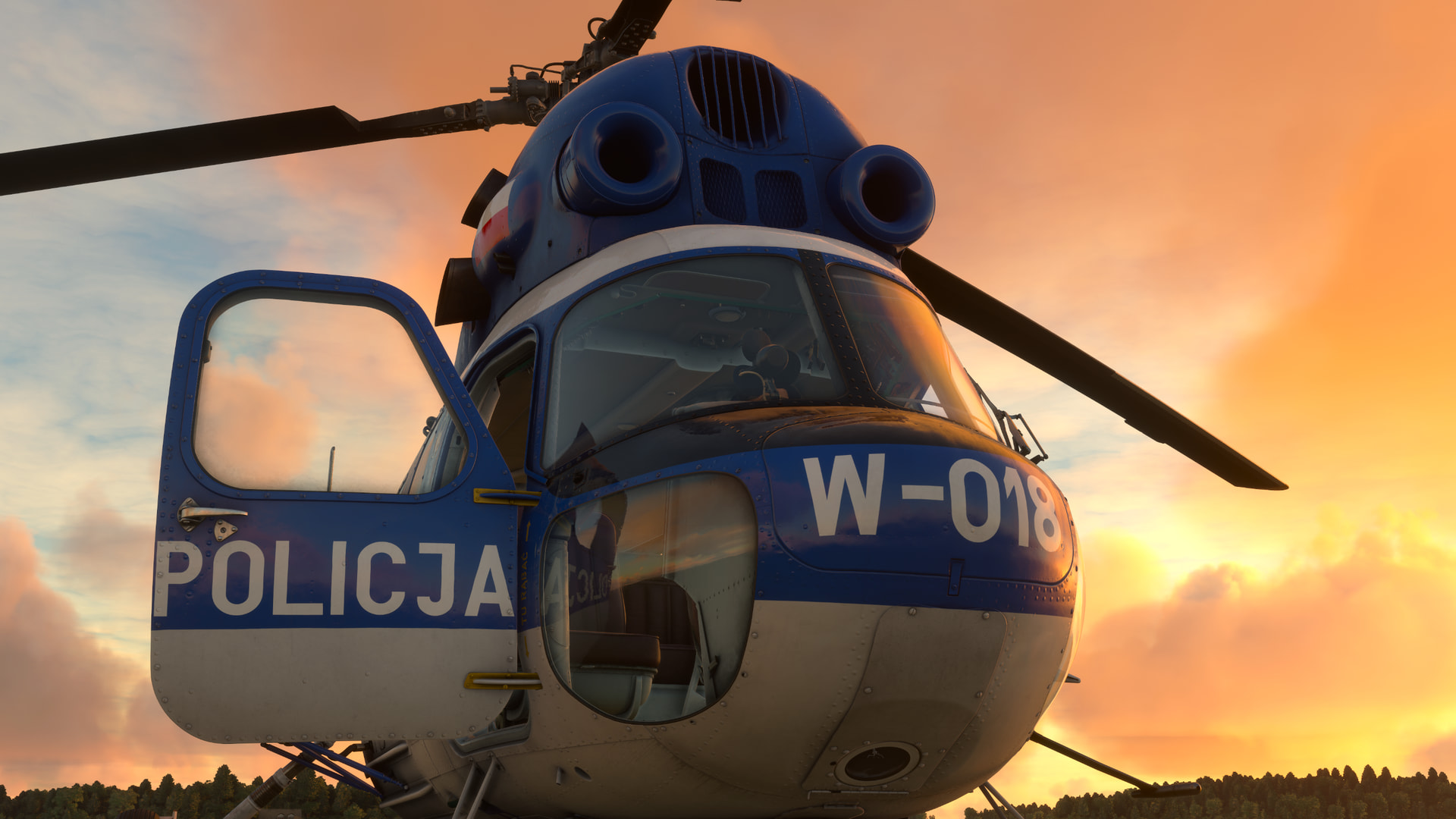
• Cabin doors fully implemented with individual mechanics for each door
• Interactive opening by dragging the handle with inertia response
• Doors react to helicopter flight dynamics (pitch, acceleration/deceleration, roll, yaw)
• Doors may partially open or close in flight if not properly secured
Animations
• New animated cockpit elements: door handles, buttons, latches, locking mechanisms
• Stops, locking levers and additional cockpit mechanisms added
• Additional missing animations added for cockpit, exterior and interior elements
• Reduced rotor coning angle
• Rotor brake lever now sets correct position depending on aircraft loading state in simulator
Controls & Performance
• Switches now respond to mouse wheel input
• Major code optimization and performance improvements
Protection
• Product protection system against unauthorized use (DRM)
 INITIAL PROMOTION
 EARLY PRICE
 FINAL PRICE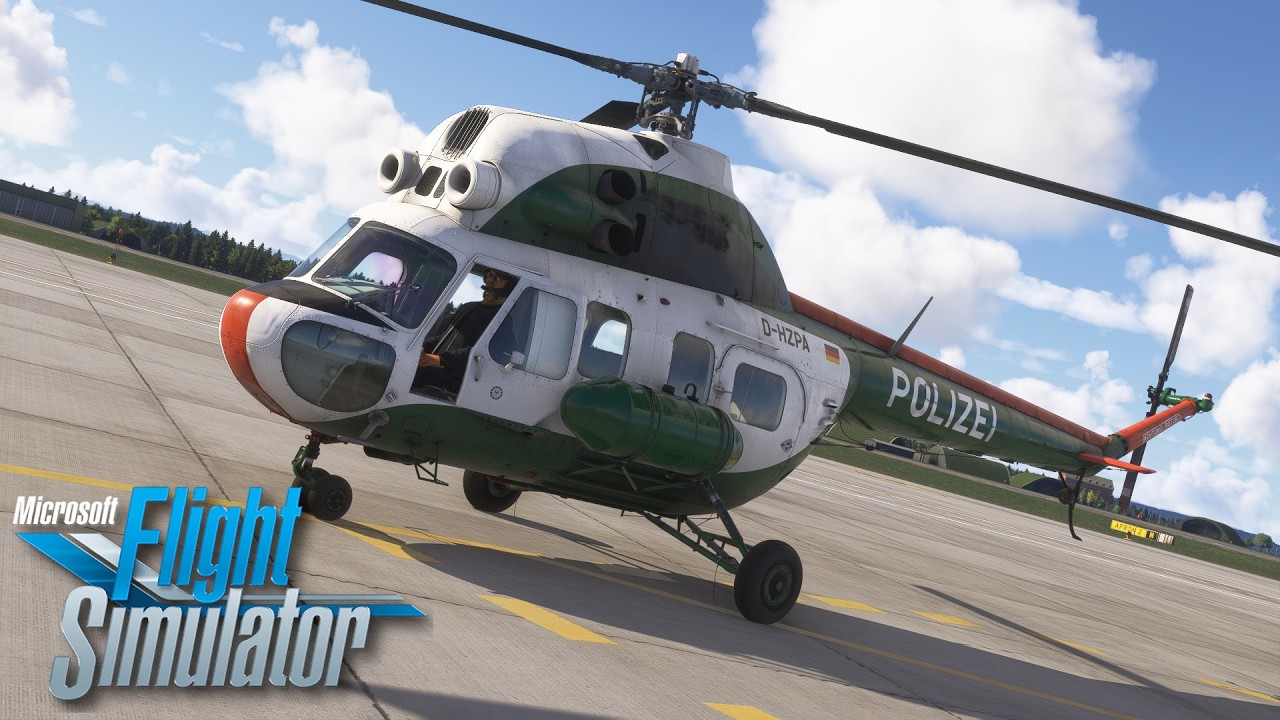
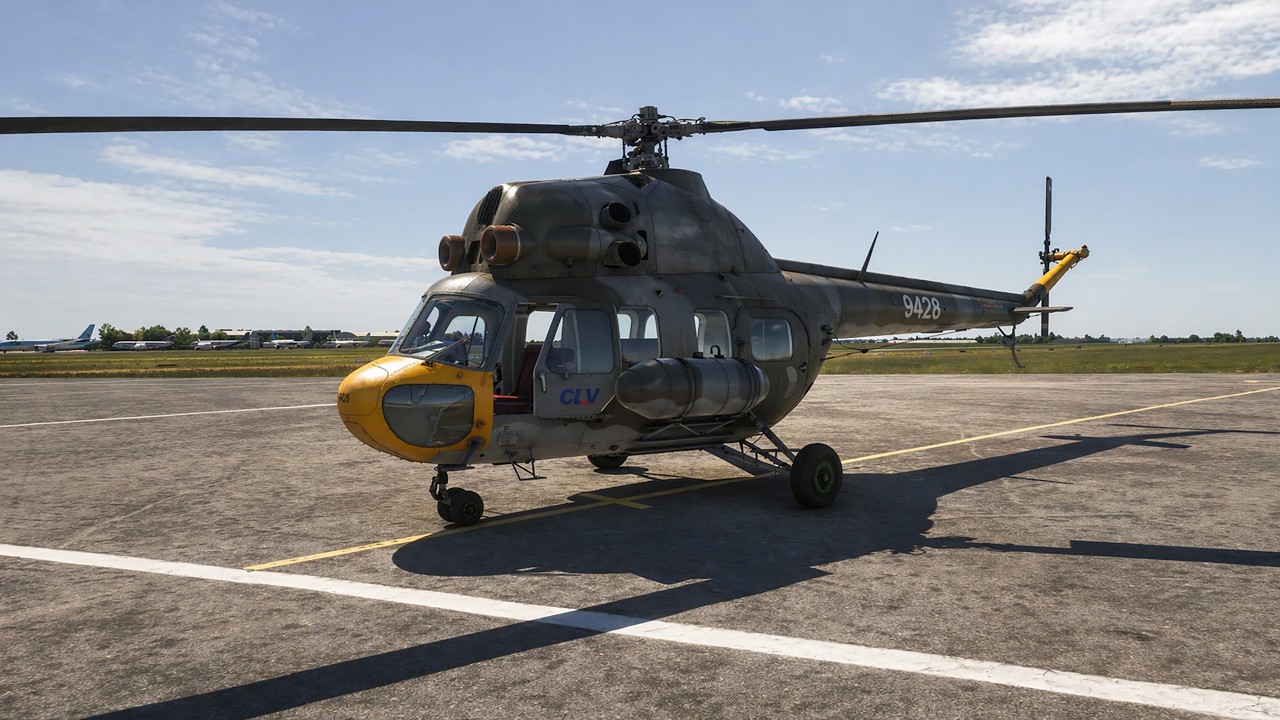
 to MSFS! Polish version will include cockpit, livery pack and user manual. Following that, later there will be another extension update including livery pack based on user feedback and some other minor improvements. After that the model will have standard customer feedback and sim update support. The model will be supported even after MSFS-2024 release.
 MSFS-2024
 What will be that difference:
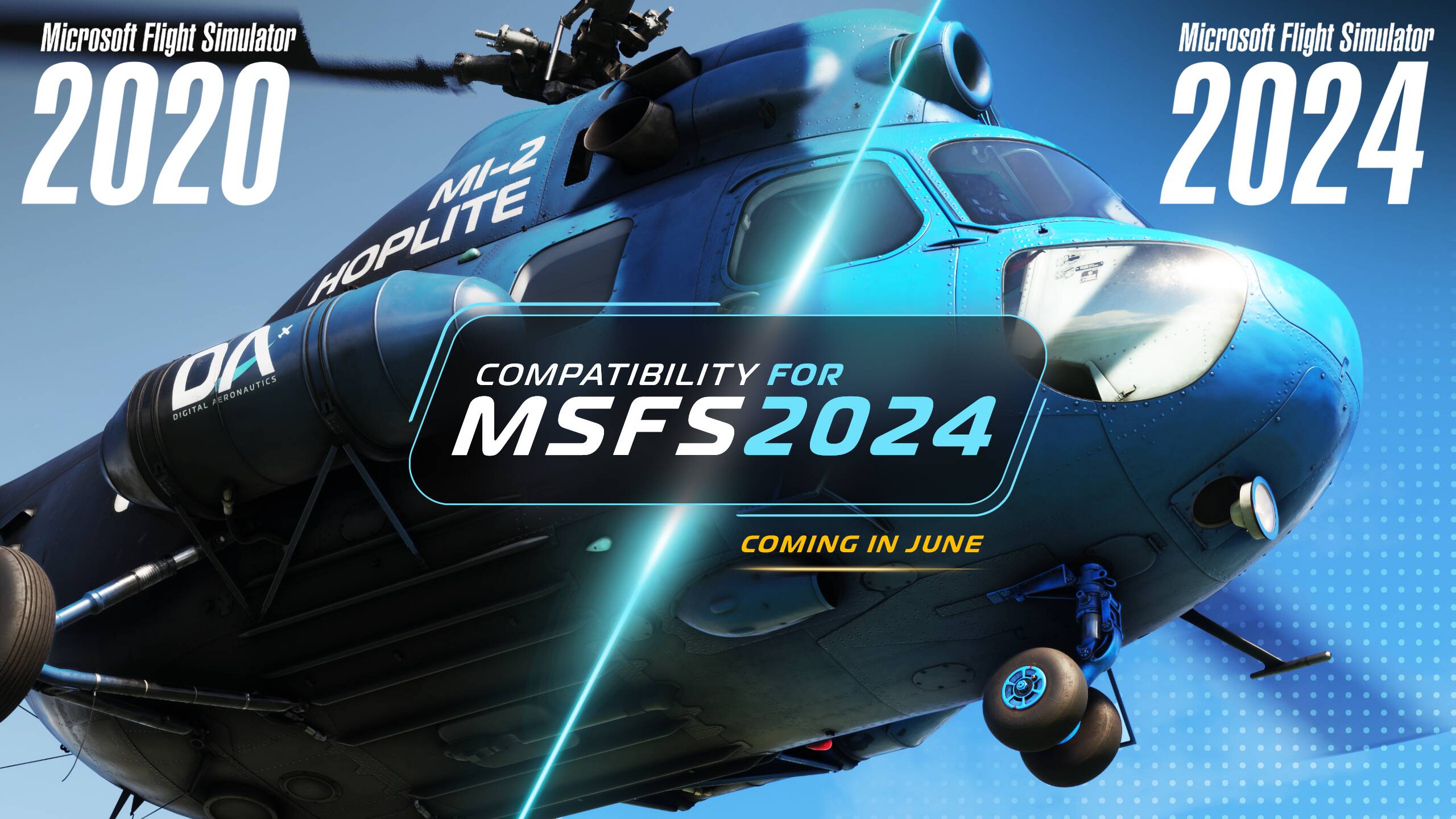


 All customers who purchase Mi-2 standard MSFS-2020/2024 version will receive an EXCLUSIVE DISCOUNT for upgrading to the extended MSFS-2024 version!
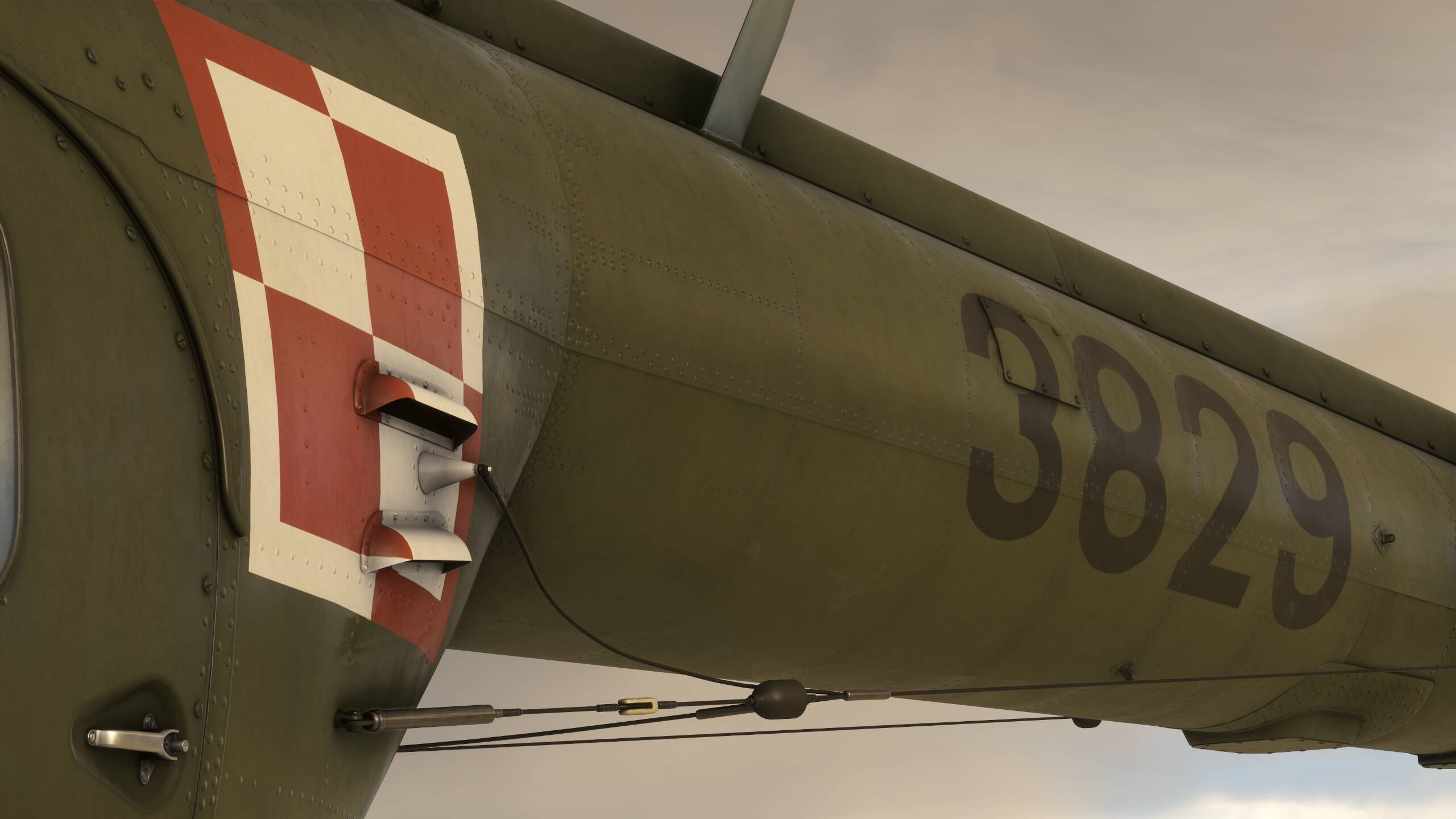
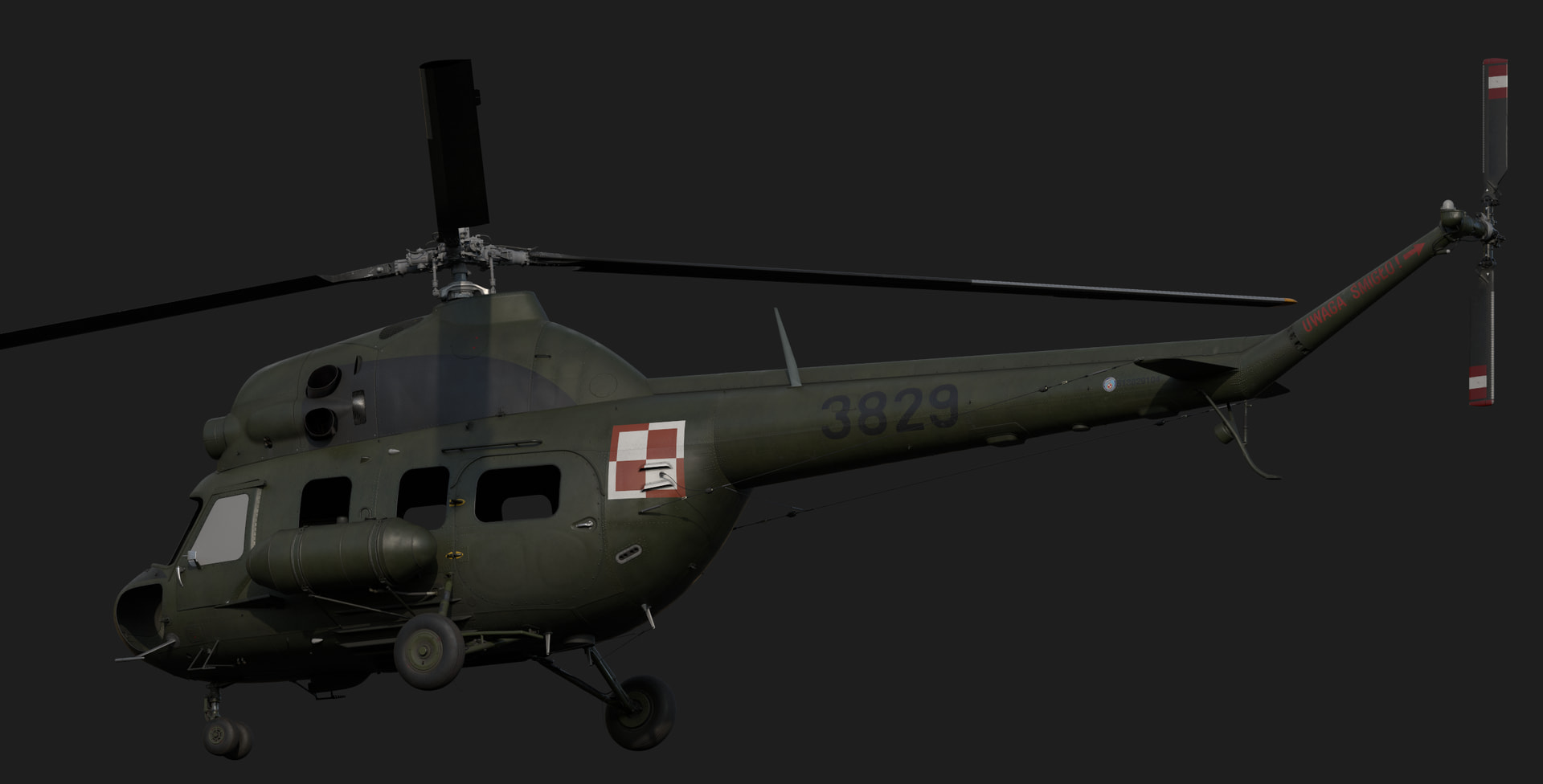
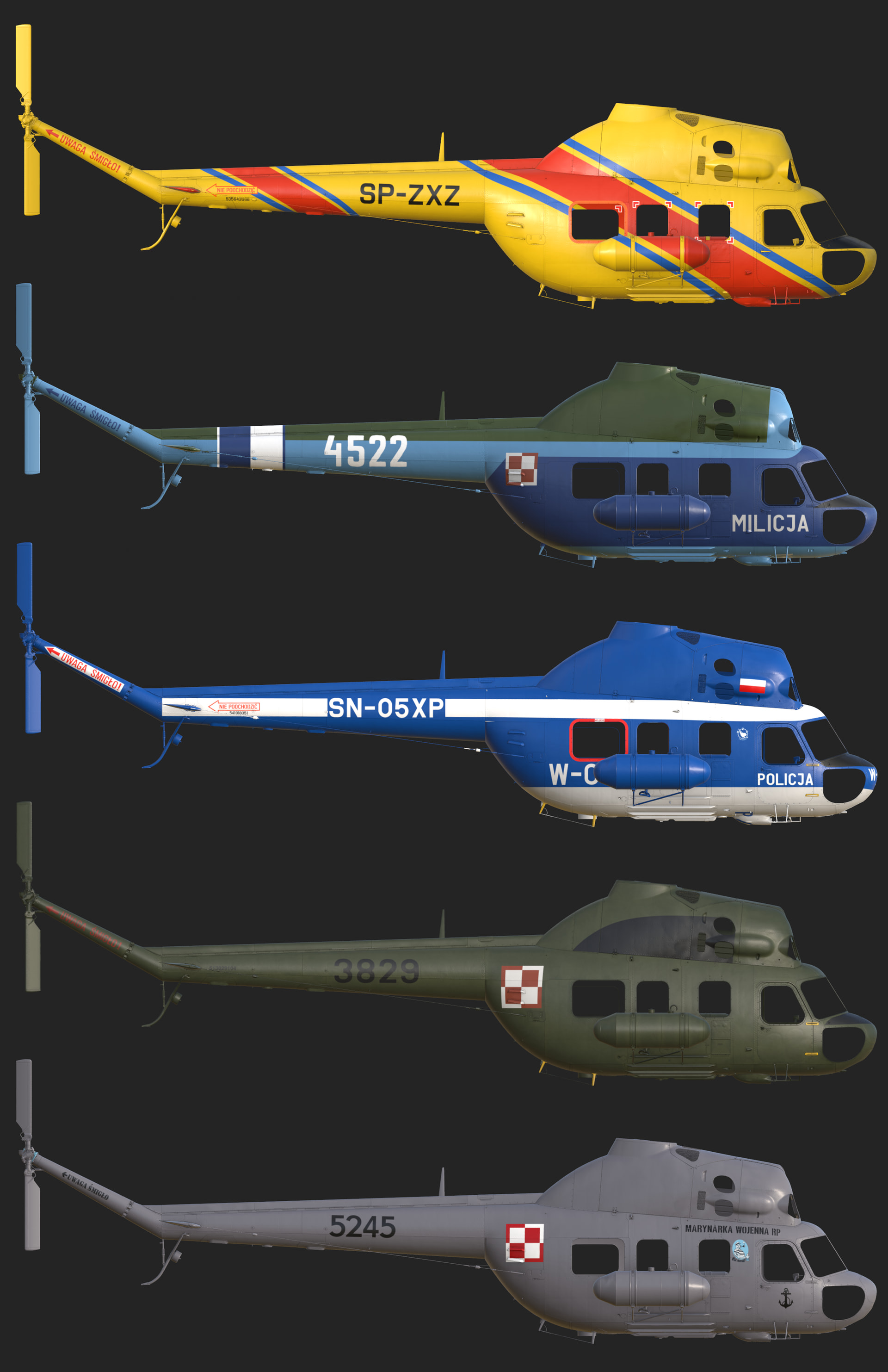
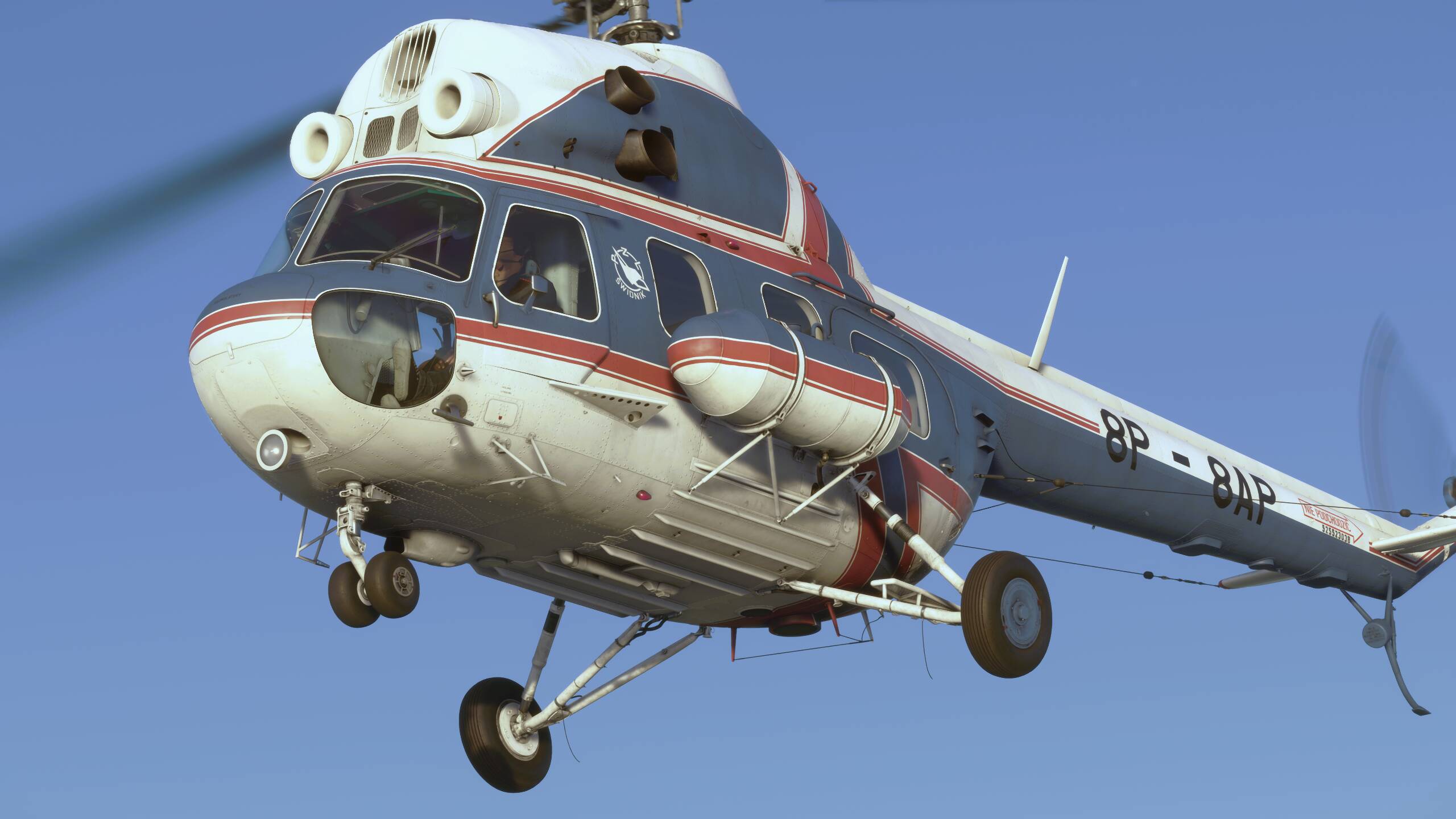
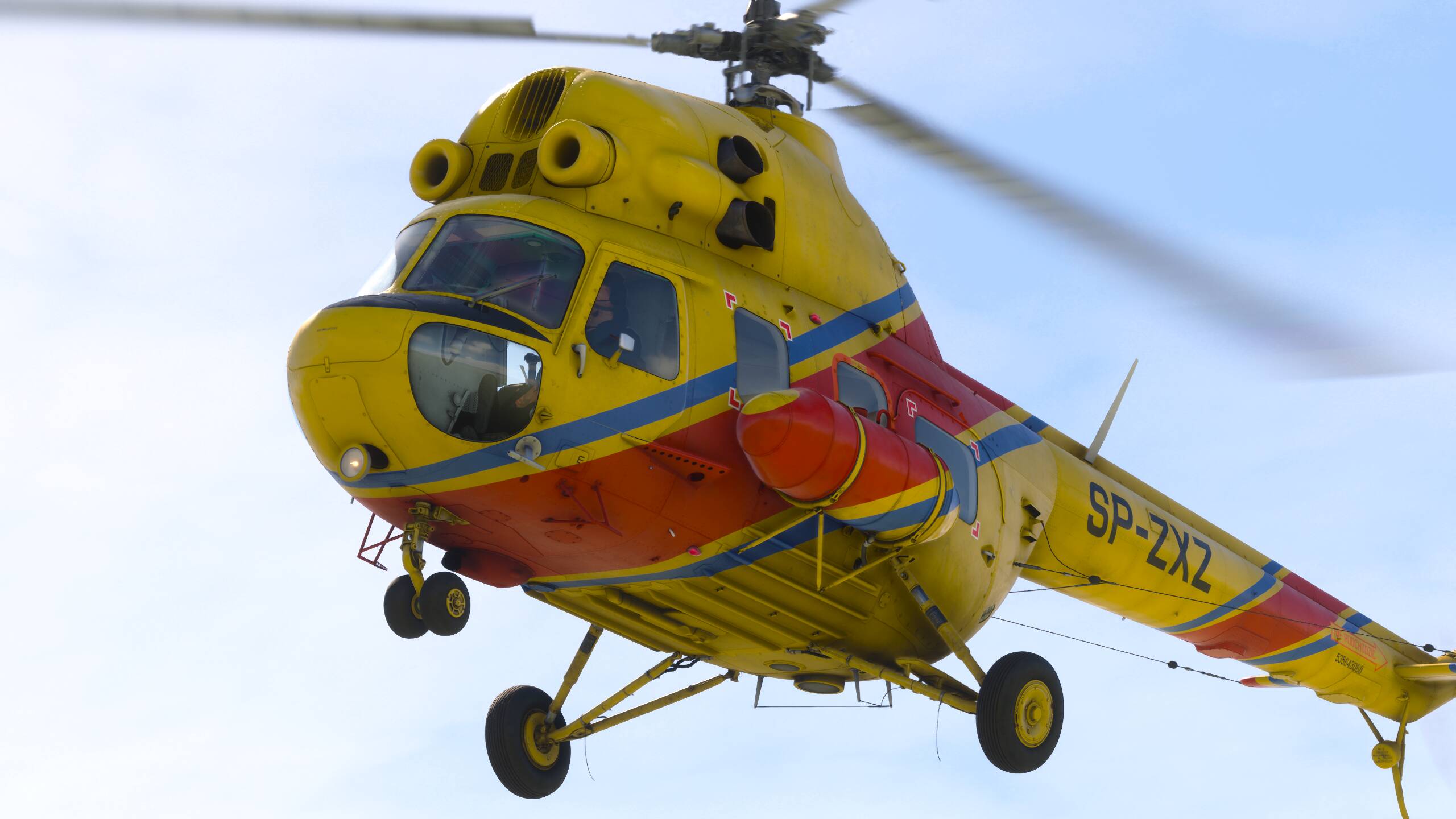
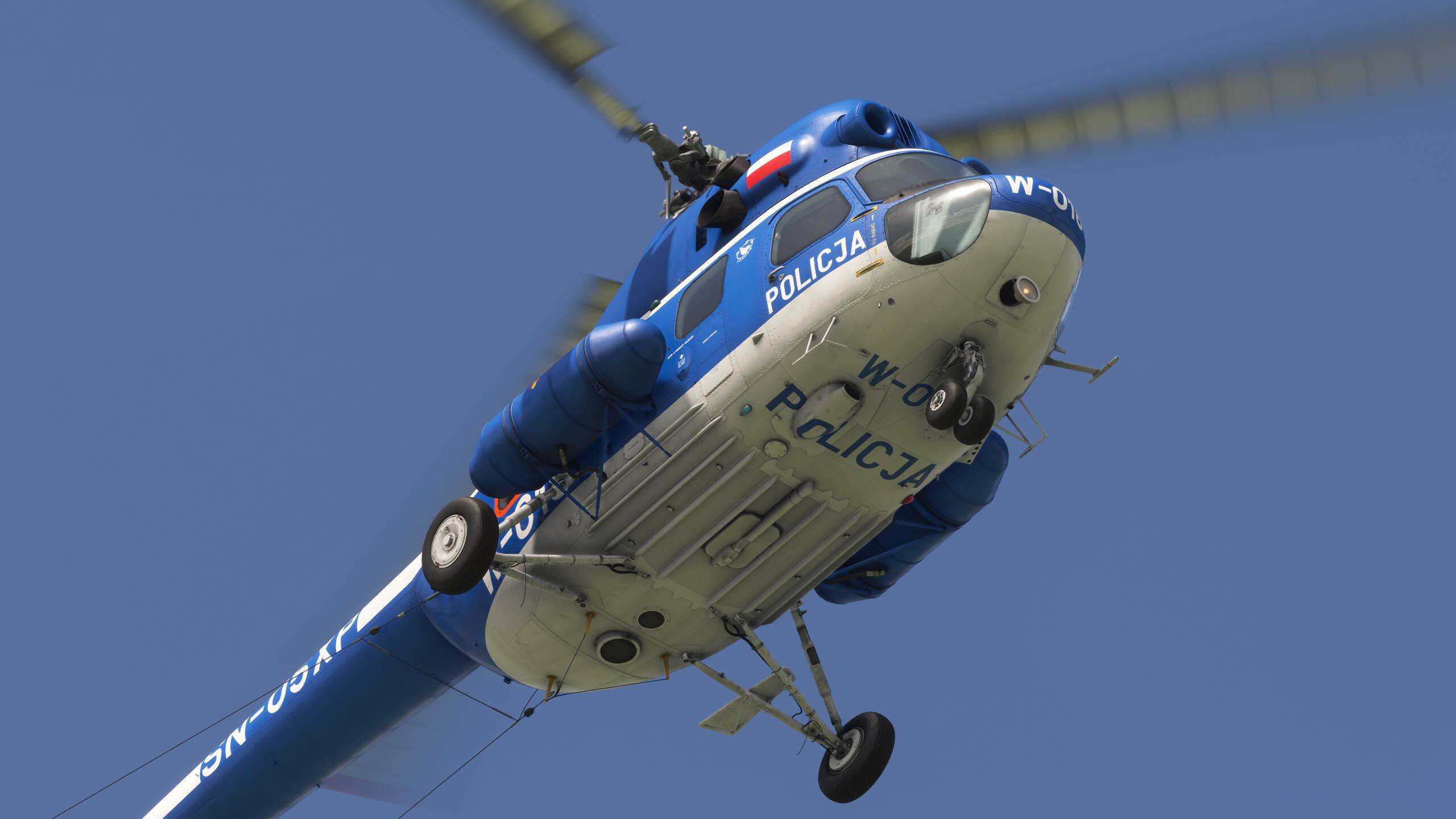
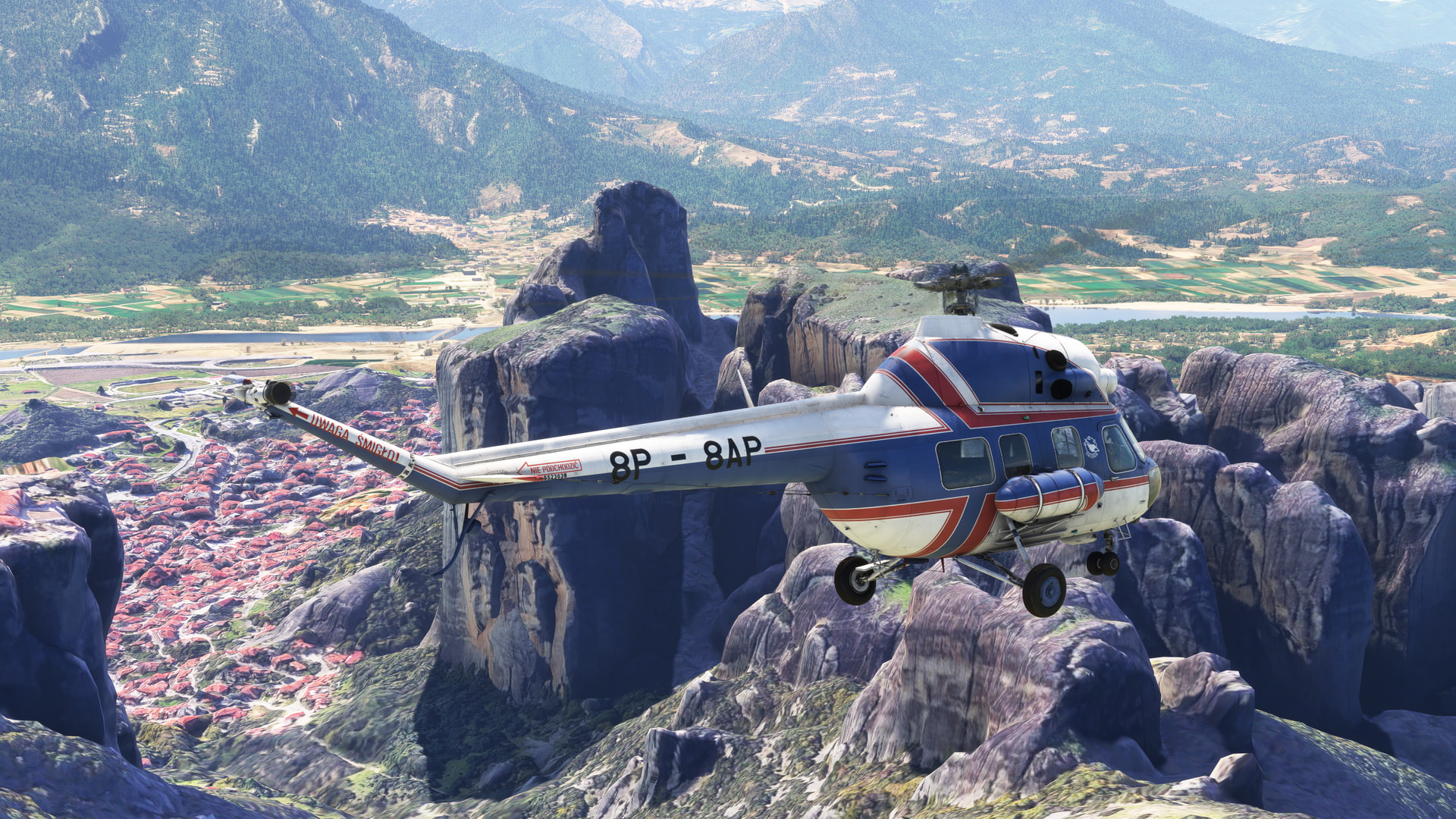
 Polish Army – a symbol of strength and power
 Polish Navy – embodying maritime prowess and tradition
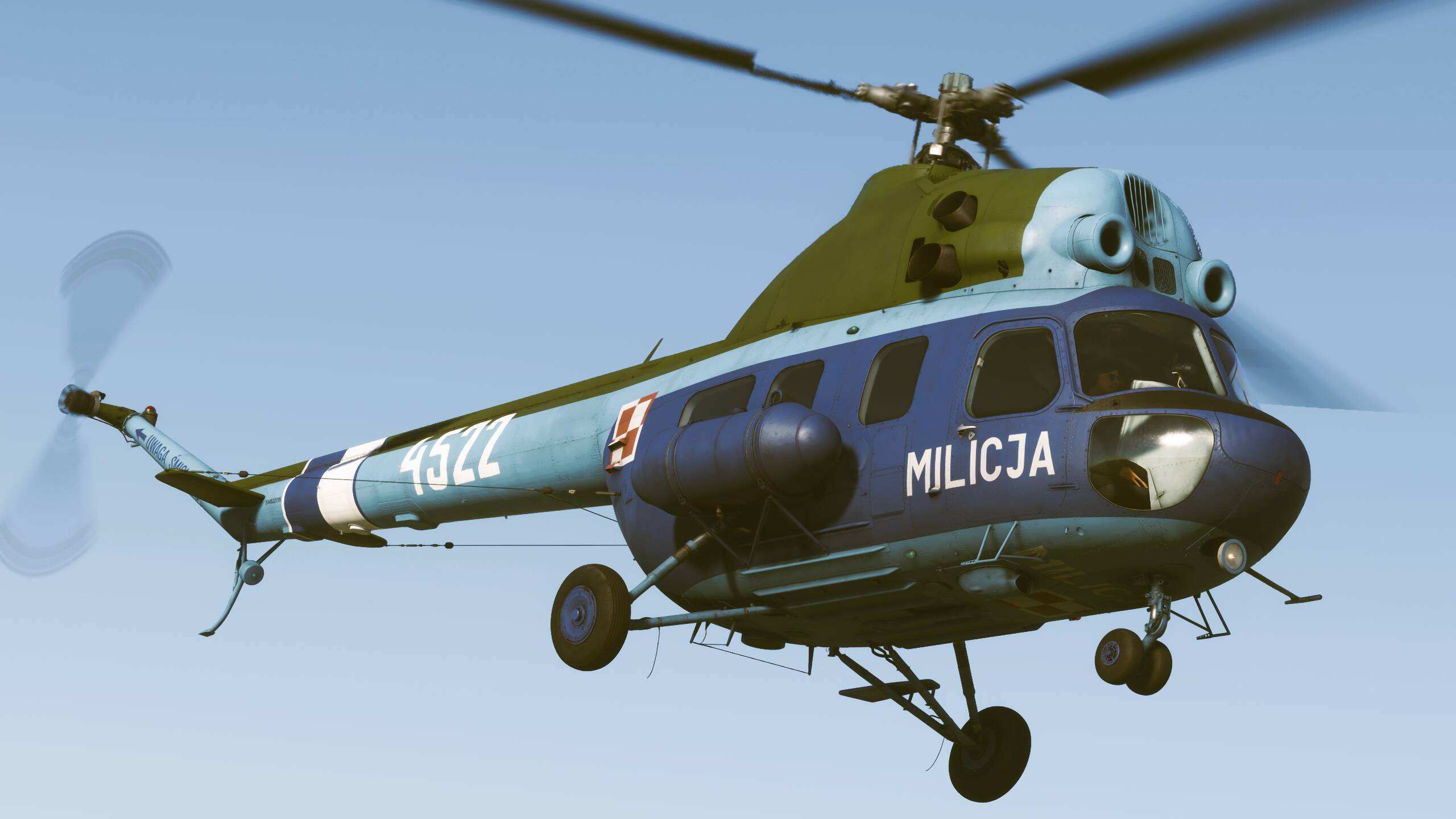
 Old Milicja – a nostalgic nod to the historic police force
 Polish Police – a modern emblem of law
 Polish Medical Air Rescue – heroes in the skies
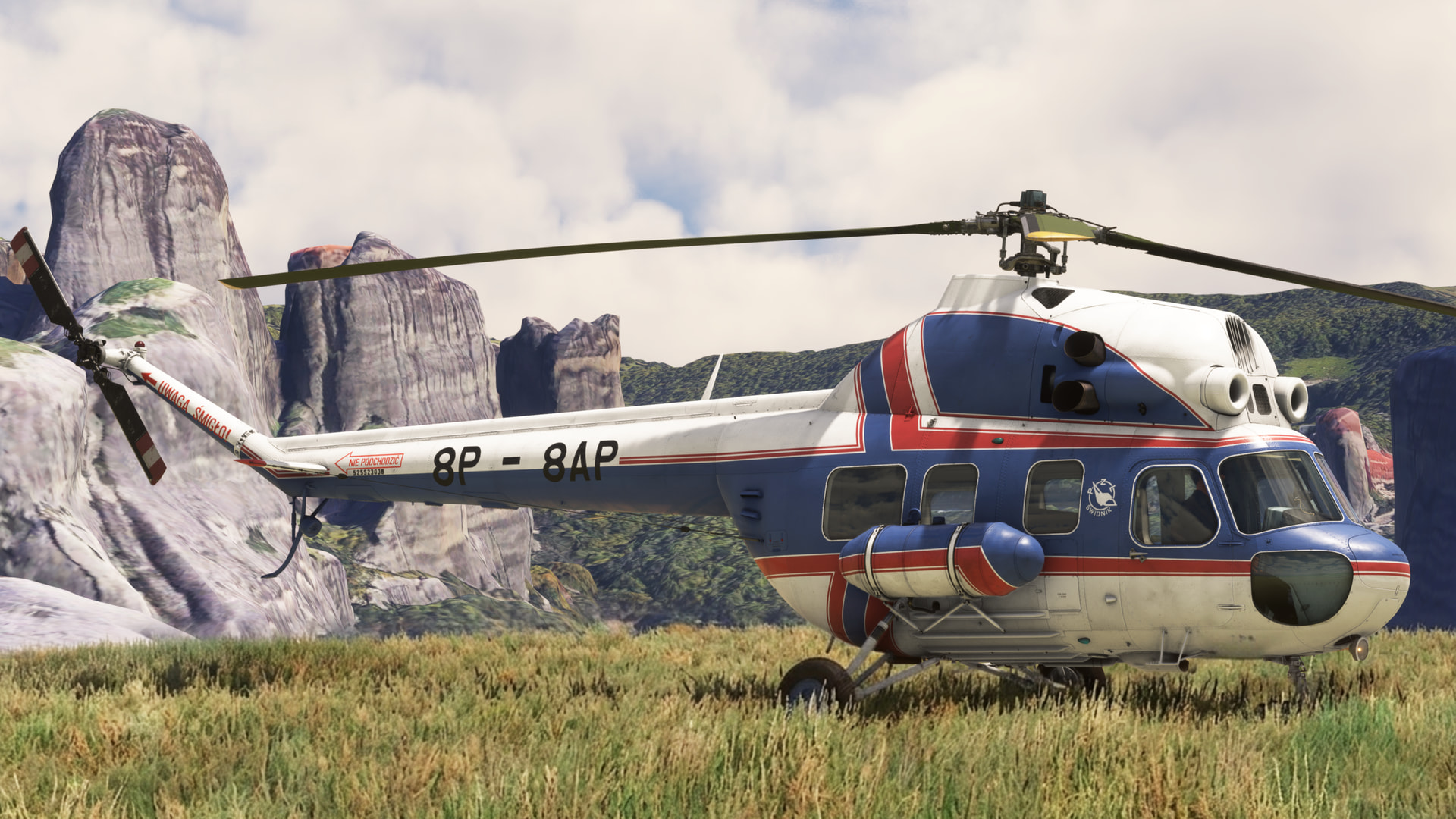
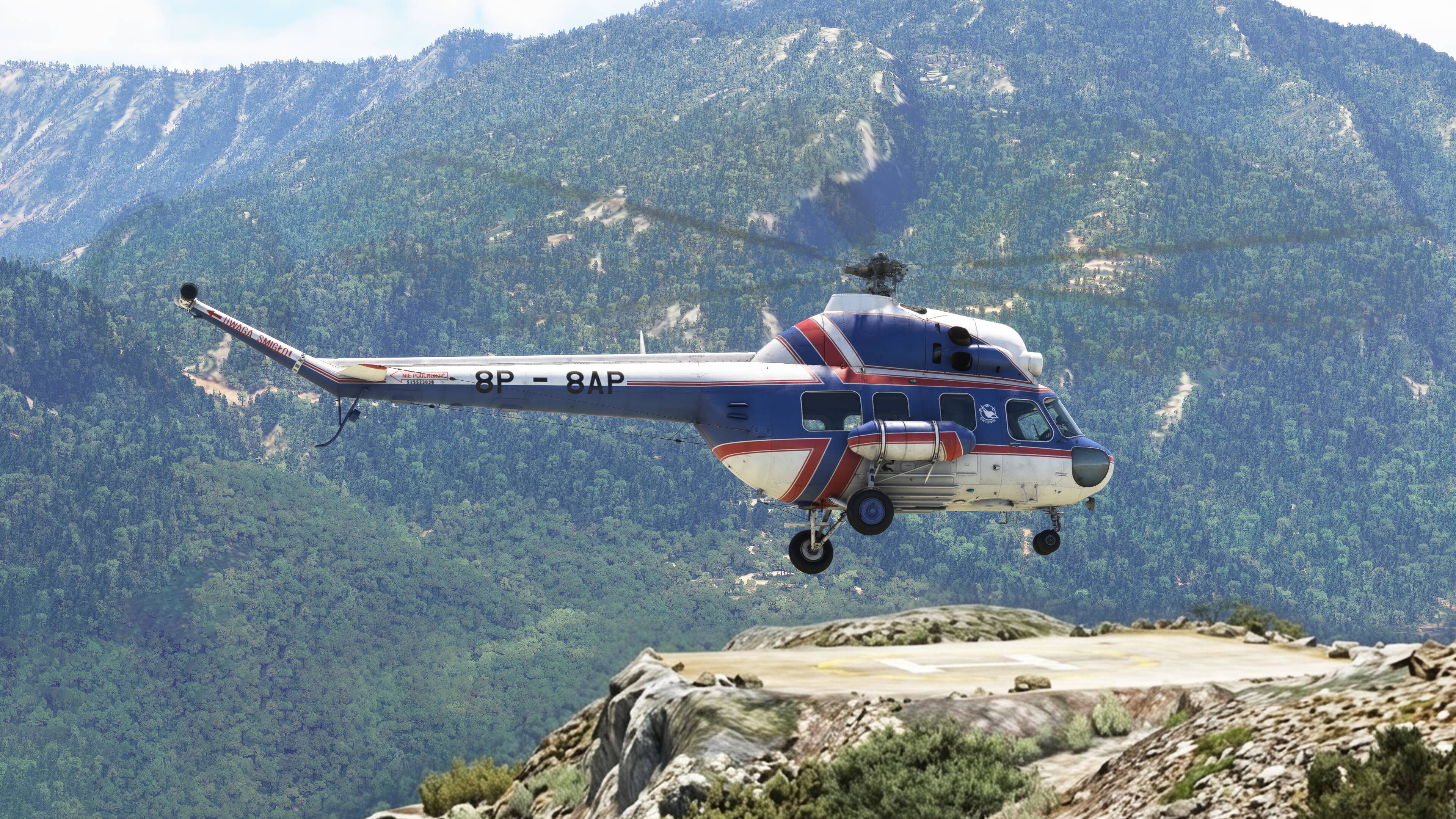
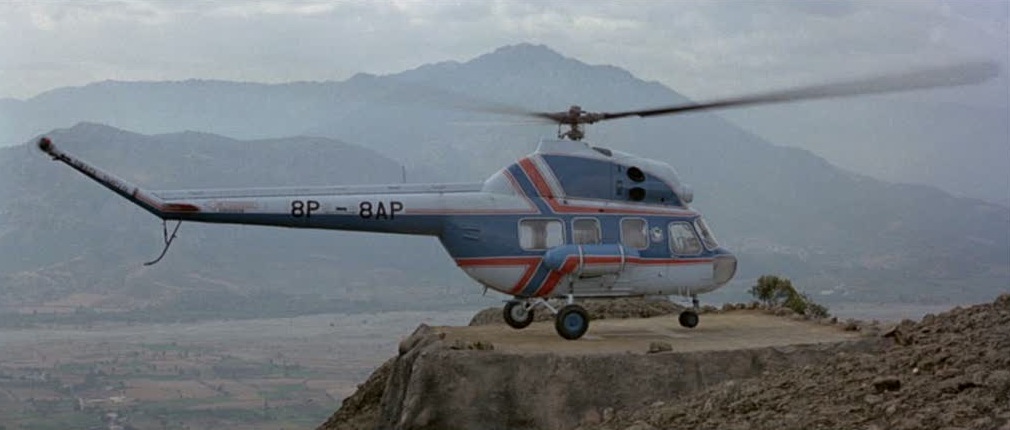
 PZL Świdnik from 007 movie ‘For Your Eyes Only’ – a cinematic legend