reality is more important than eye candy, it’s a simulator after all not a arcade game.
It’s important to remember though that ‘reality’ is quite different all over the world. When you get used to seeing a certain reality it might be easy to believe that some pictures someone may show are not ‘reality’ at all even though they may be. Where I live, even the setting sun can be intense enough to still feel its warmth and it can be fiery red. We have amazing sunsets here sometimes.
But I agree that everything in the sim should be based on reality - especially the atmosphere and clouds. I just hope realistic simulations can provide realistic appearances without a frame rate of negative 3.
Agree with all of this. But the word “reality” is a tricky one… We, humans of science, agreed the “universal objective reality” which is the one oficially “certified” by of science authorities and usually widely accepted. Then there are many “subjective” realities that depend on our very own perception and interpretation, acceptance at the end.
So the objective one is, without any doubts, the most important one for our simulation purposes. But to be fair to all of us, with so many different subjective preferences, and of course if it’s easy to implement to the simulator, why don’t have these finetuning controls available, thus one of presets could be named “realistic”… 
Btw. what our reality really is? That’s the question which many physicists and philosophers try to figure out for thousands of years so far… And all we have yet is the best available approximation of it. 
The neat part about ‘objective vs subjective’ reality is that if we get the objective reality simulation correct then, even though we all see something different, we would all agree that it was correct.
Hi,
While it depends on implementation, most games render everything using Rec. 709 / sRGB primaries for consistency reasons as the game assets are almost always authored in sRGB. What makes the difference at the end is display mapping (tone mapping), where an HDR tristimulus rendered using given primaries is mapped to the gamut of the display. This is why I used the term “tristimulus” instead of “color” at the beginning of the thread and now - even though the rendering is done using sRGB primaries, this doesn’t mean the rendered result is a color in the sRGB gamut, it’s just a tristimulus which uses sRGB primaries and it doesn’t correspond to a color until it’s mapped to the gamut of the display. Therefore if the rendering is done using sRGB primaries in MSFS like most other games, no change is needed as the display gamut differences are handled by the display mapper, not the renderer. If they use different primaries for rendering, they can adapt ARPC to use any set of primaries as the same approach works for any gamut.
Regarding your second question - as rendering equations etc. all assume linear light, the rendering is also done using linear light, which means perceptual quantizer and gamma / transfer functions are completely irrelevant during rendering. They only become relevant during display mapping.
It’s on my wishlist

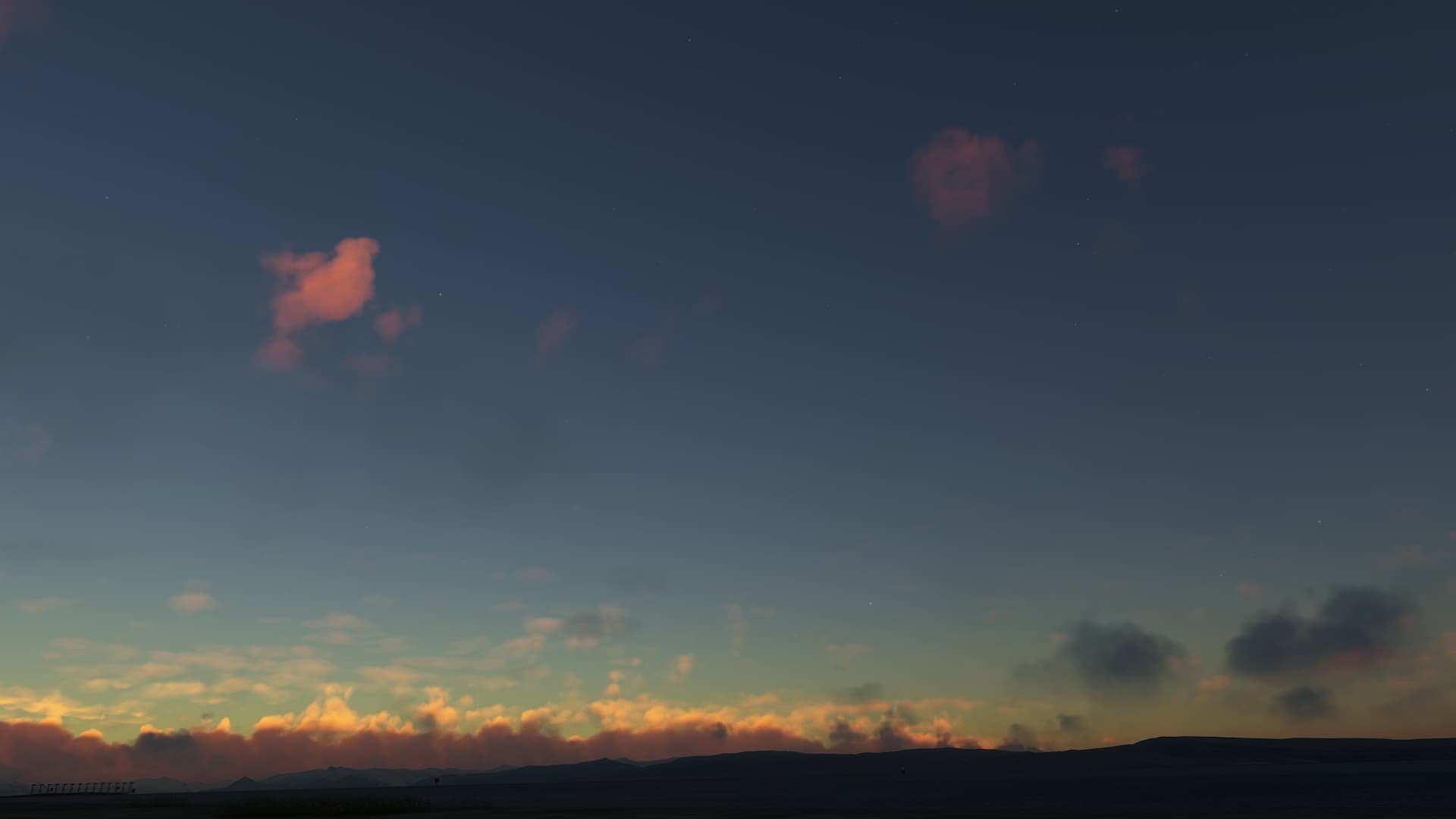
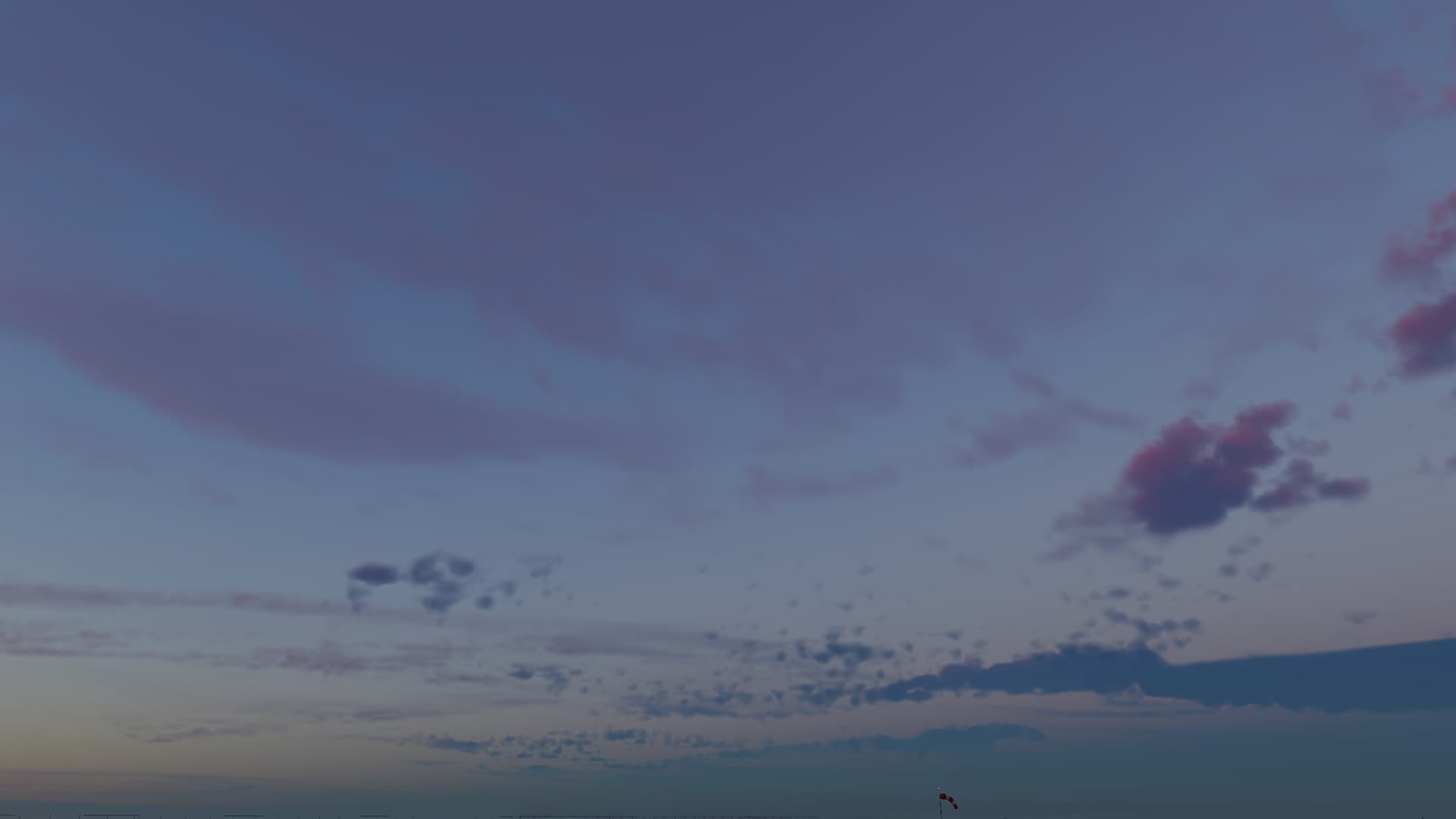
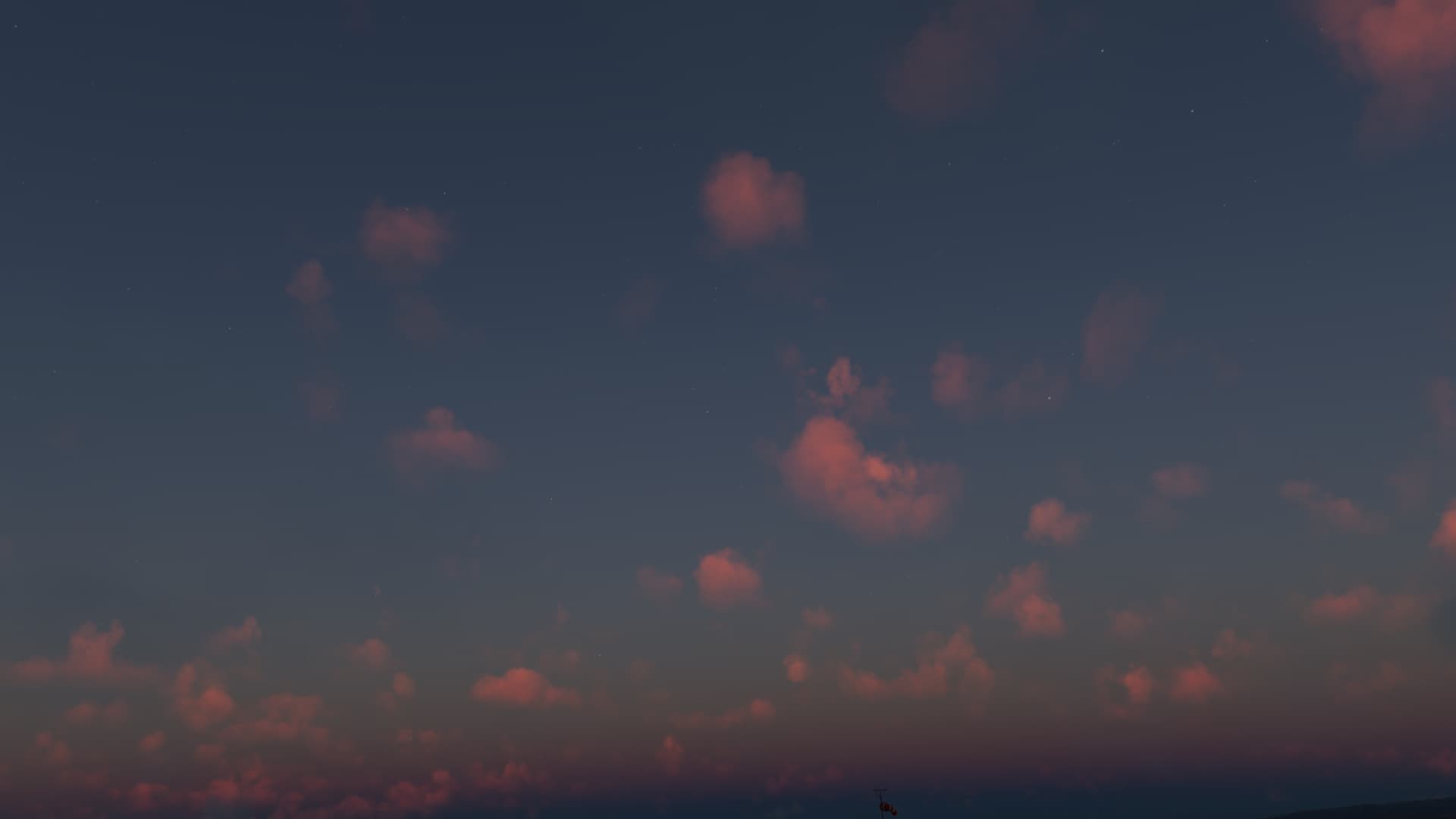
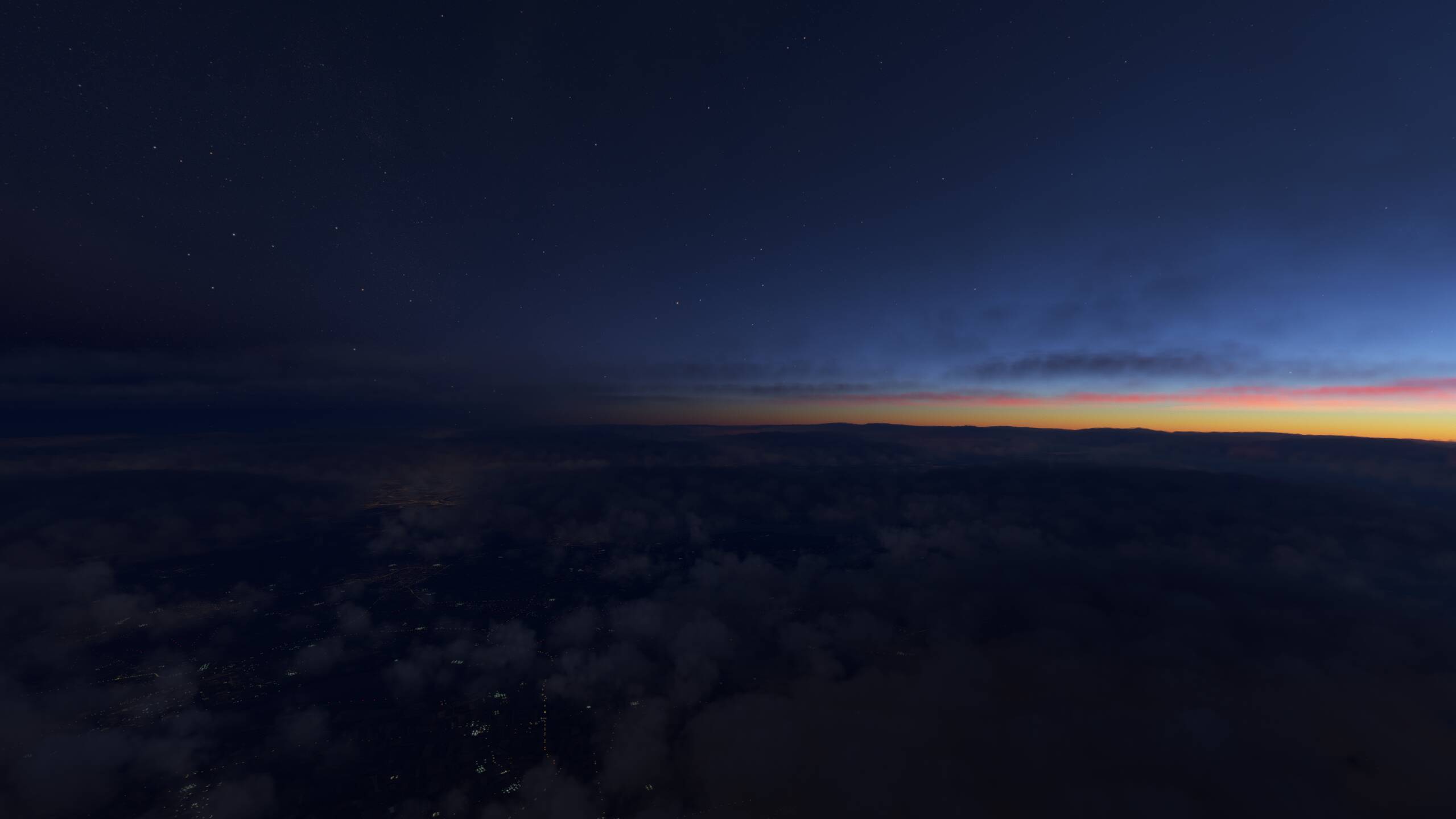

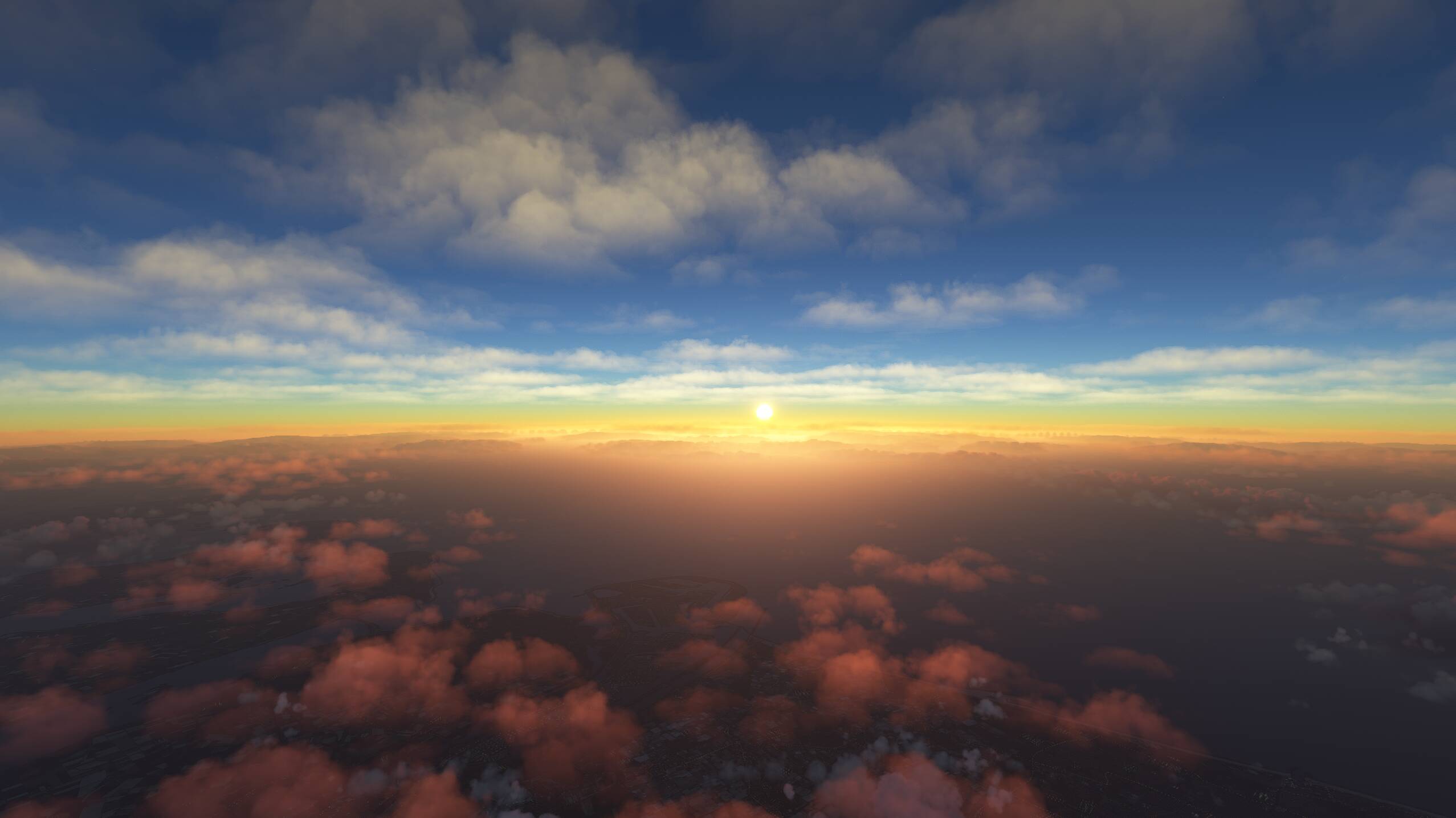
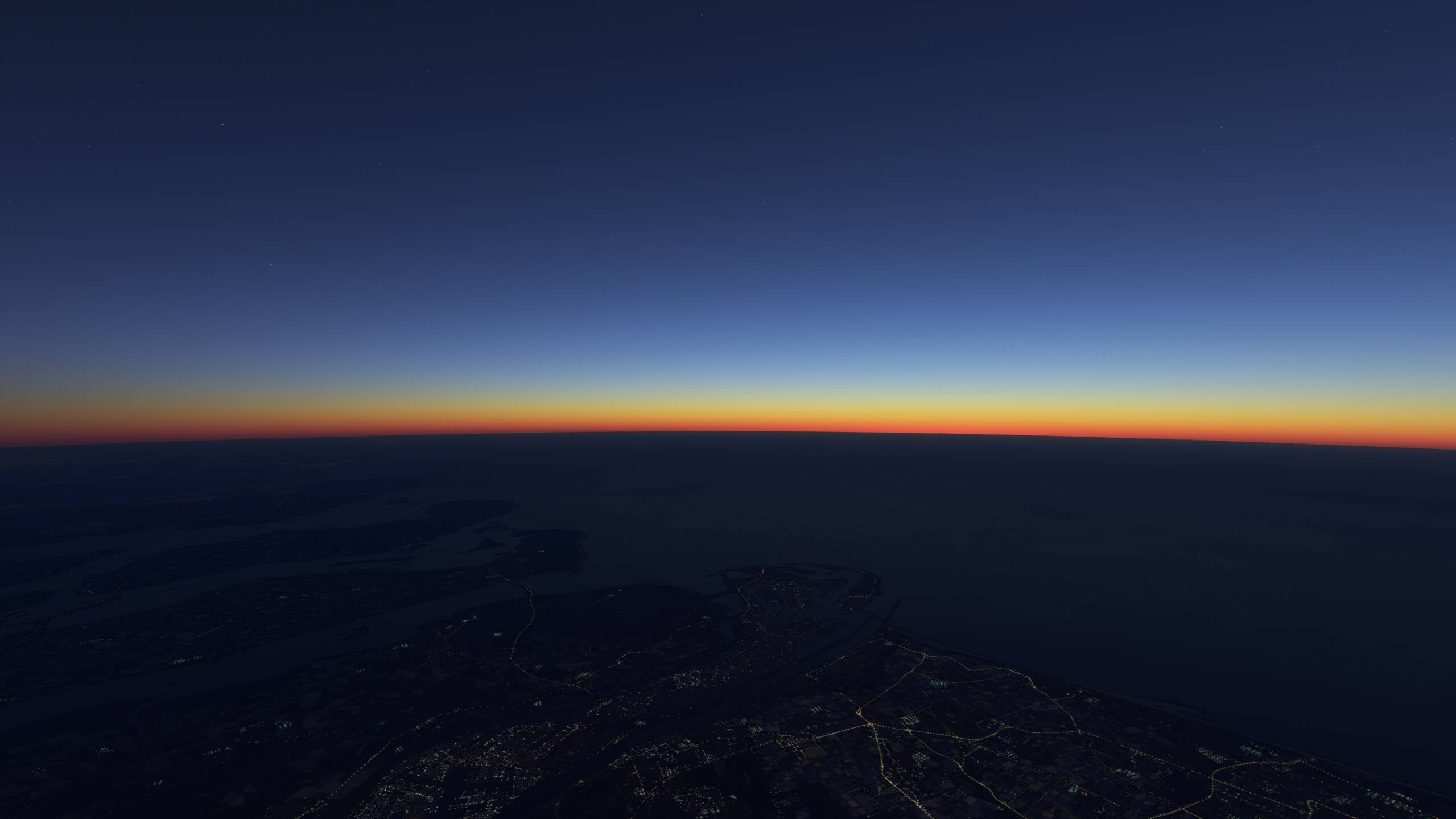
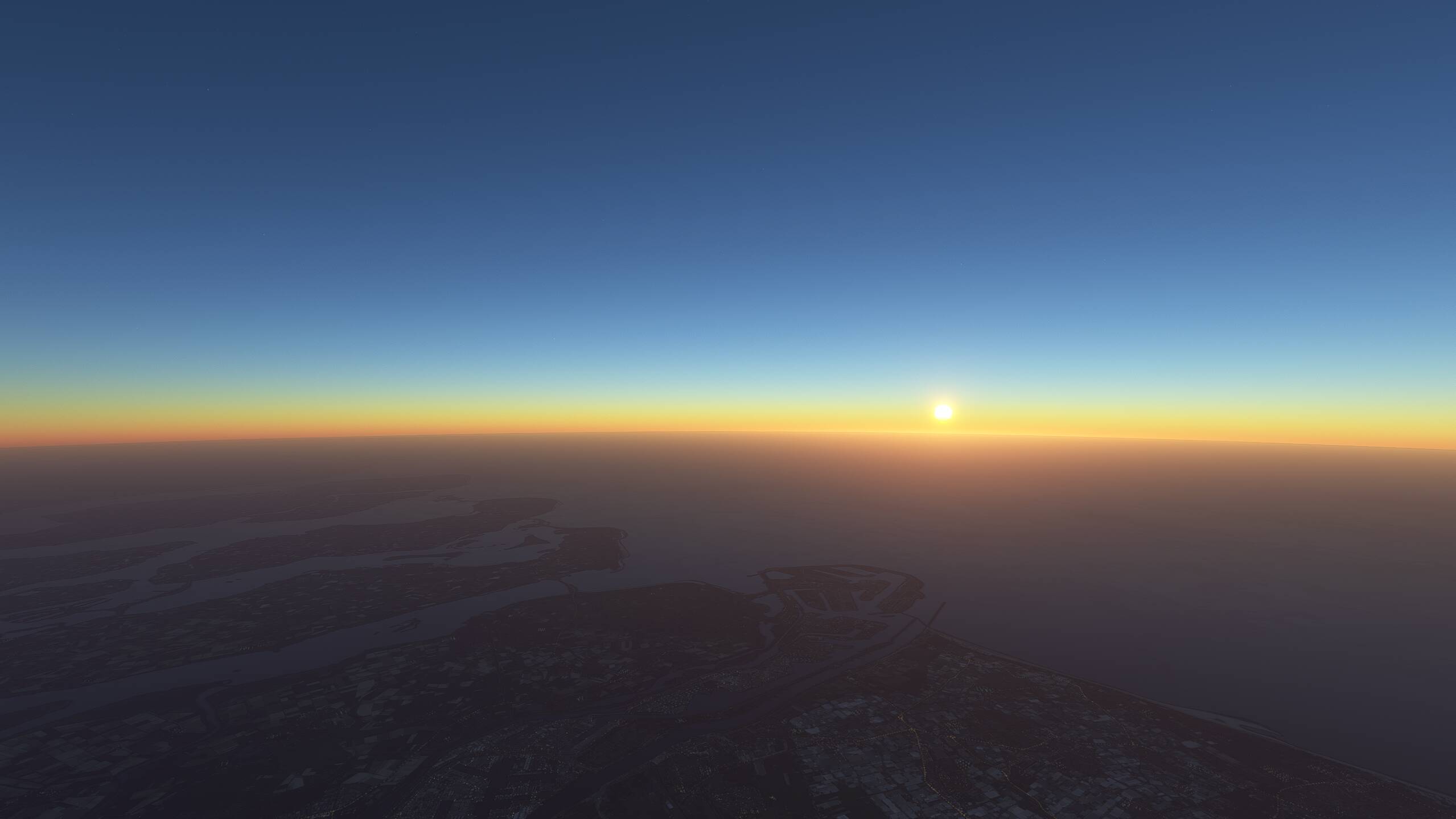
Yes indeed, I’ve noticed quite a jump in weather quality in XP12, there has been actually a lot of improvements to that sim lately - good for competition! But I like what I’m seeing there and how they’re listening to the customers (of course Asobo does too, but seems LR is able to react and produce results a whole lot faster). Exciting times!
yee, we desperately need proper cirrus clouds… and cloud turbulence of course…
While I won’t go editing my exe, you’ve got my vote. Looks much better indeed.
Frankly, MSFS’ skies do not compare well anymore.
Great! Thanks for outlining it and addressing my points.
I wouldn’t wholeheartedly agree, but it is the potential outcome of either sitting on one’s laurels or regressing weather fidelity from release for a variety of reasons. One of the unintentional benefits of XP12 is they do not need to support consoles, only PC, and Mac IIRC. I’m not sure if Linux is supported anymore. Actually it does support Linux, but its fair to say they do not have the hangup of supporting a platform that cannot be expanded.
A platform with a fixed config effectively draws a line in the sand. It must work on this, no matter what. And if it doesn’t we start chopping away at things until it does.
It doesn’t appear these atmospheric simulation variables are having any performance impact, at least none that are reported, so I don’t see any reason why these cannot be implemented across both platforms.
OMG you know about lights and color! 
I’d say the main issue with MSFS’ clouds is lack of cirrus clouds, other than that, I genuinely think that they beat XP12’s clouds in a lot of technical aspects. The way intersecting cloud layers merge is something I’ve never seen in any other implementation for instance. The ash-like look during day in certain conditions is likely a tradeoff, as reducing the cloud density also reduces cloud definition, which you can see is lacking in XP12. The oversaturated / harsh lighting on the clouds during sunset / sunrise is likely caused by not enough multiple scattering, which means if Asobo improves the atmosphere calculations it will automatically improve cloud lighting too.
I also think that Xbox has very little or even no effect here, Xbox’s GPU is more than capable to render such volumetric clouds without any major performance impact, so I genuinely don’t think Xbox version is holding back the clouds of the PC version in any way and I think we should take Asobo’s word for it.
I was thinking about this too. If they can improve the rendering, clouds will also improve
But since SU5 the sim is incapable of producing 2 or more distinct cloud layers using live weather, especially when those 2 layers are within say, 2 or 3 thousand feet of each other. They just merge together into one massive CB blob, that is unrealistic. Where as there should be 2 or more thin stratus or cumulus layers, you get get one towering cumulus “layer” several thousand feet high that is just a mess.
Not sure if you were around at release, but things were definitely better back in 2020 in some ways.
Videos from that time, August 2020.
https://www.youtube-nocookie.com/embed/3lZa7nnj490 https://www.youtube-nocookie.com/embed/weuvELJOhZ0 https://www.youtube-nocookie.com/embed/gjPU_7F8z8o
What I mean is that I think this is a result of how the weather engine drives cloud layers (which was likely changed to better accomodate METARs) and not the cloud rendering itself, as you can still get such separated layers in manual weather mode, the same way since the release. The cloud layer merging has also been there since the release, and it works really well when the cloud layers are placed correctly.