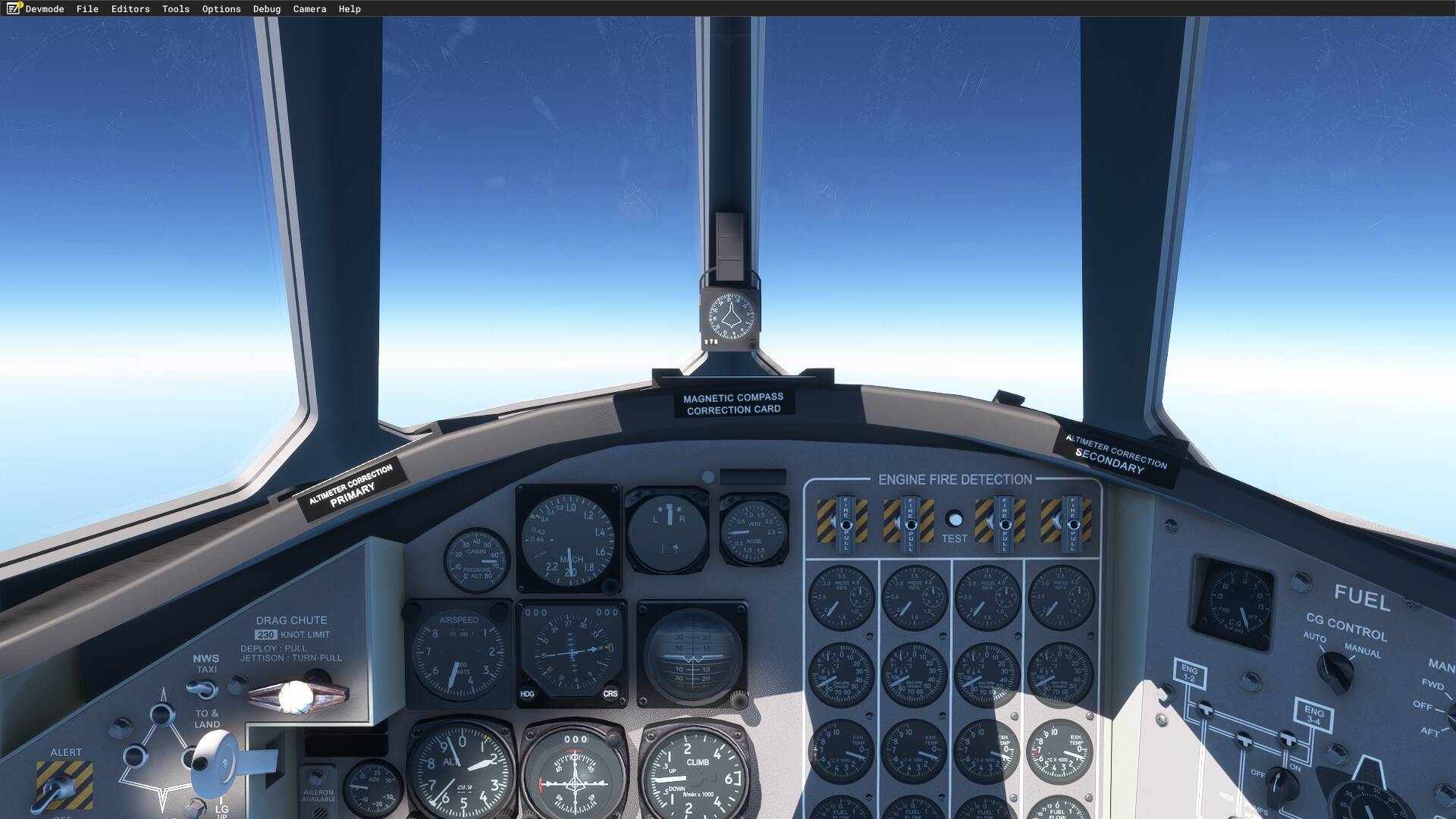
Greetings -
following @Airmax514 update, let me share some clues on the development of the flight model for his gorgeous B-58 Hustler
First of all, was necessary to collect as much technical documentation as possible from open sources in Internet. Nowadays the once restricted documents are accessible, such as the authentic Flight Manual and J79 Engine Manual, Maintenance Manual and Illustrated Part List.
Also magazine articles, featuring interviews with the pilots that flew the B-58 during her operational career, are invaluable to gain some ‘feeling’ of what could have been to pilot such a fast and heavy bomber.
Interestingly, several pilots stated that the B-58 was a pleasant airplane to fly, stable throught the flight envelope, responsive at controls and with brutal performances.
I think the accidents that doomed the B-58 service were mostly due to the unforgiving speed limitations rather than controllability or stability. The B-58 was a heavy and very fast airplane with almost no margins for errors at the (relatively) low speed for approach and at the extreme speeds and altitude in excess of M2.0 and 64.000 ft
The first development step I took (as for the XB-70 Valkyrie) was to include in the flight model and engines CFG the exact data derived from the technical documentation. These includes aircraft geometry and engines performances.
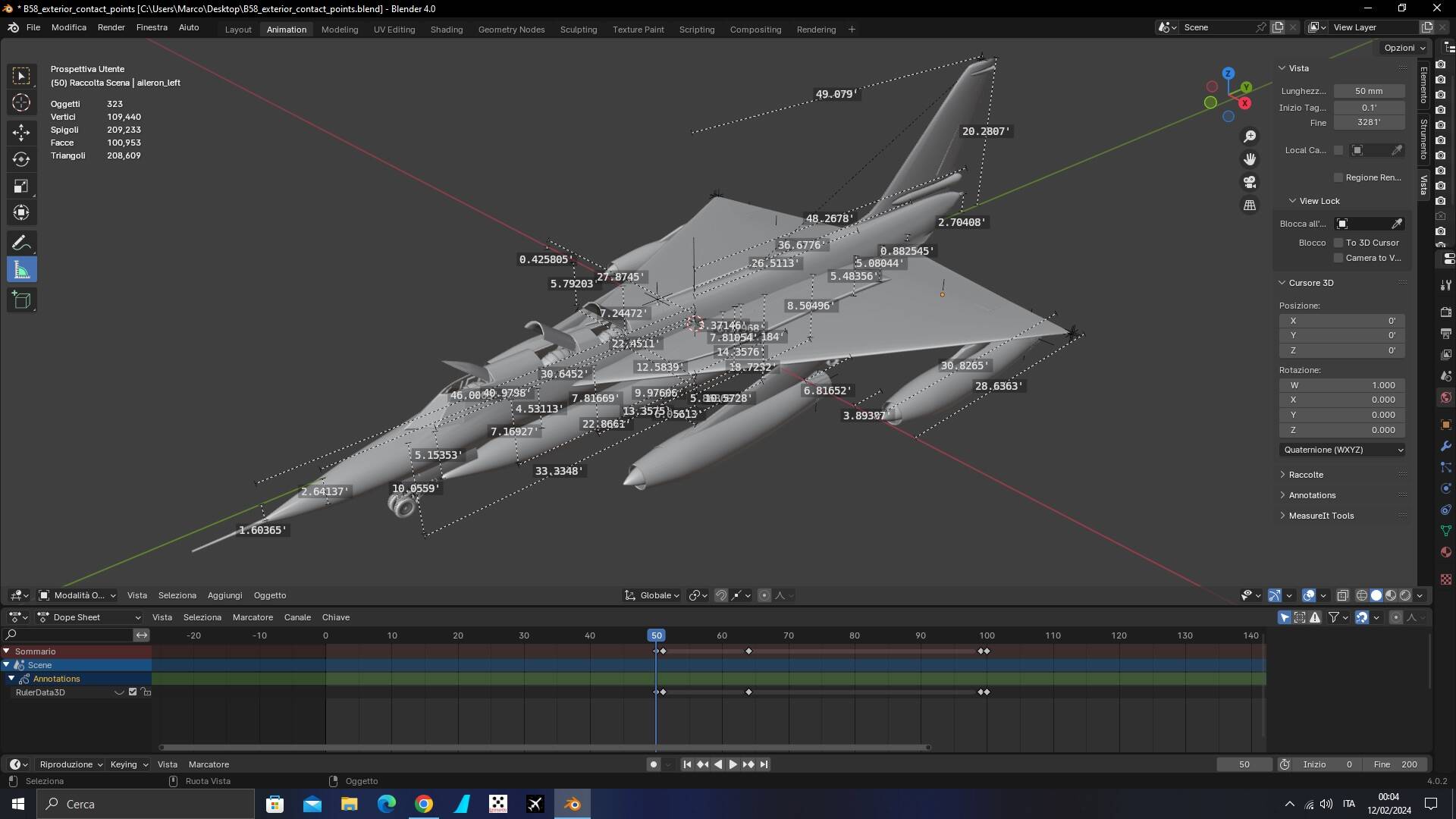
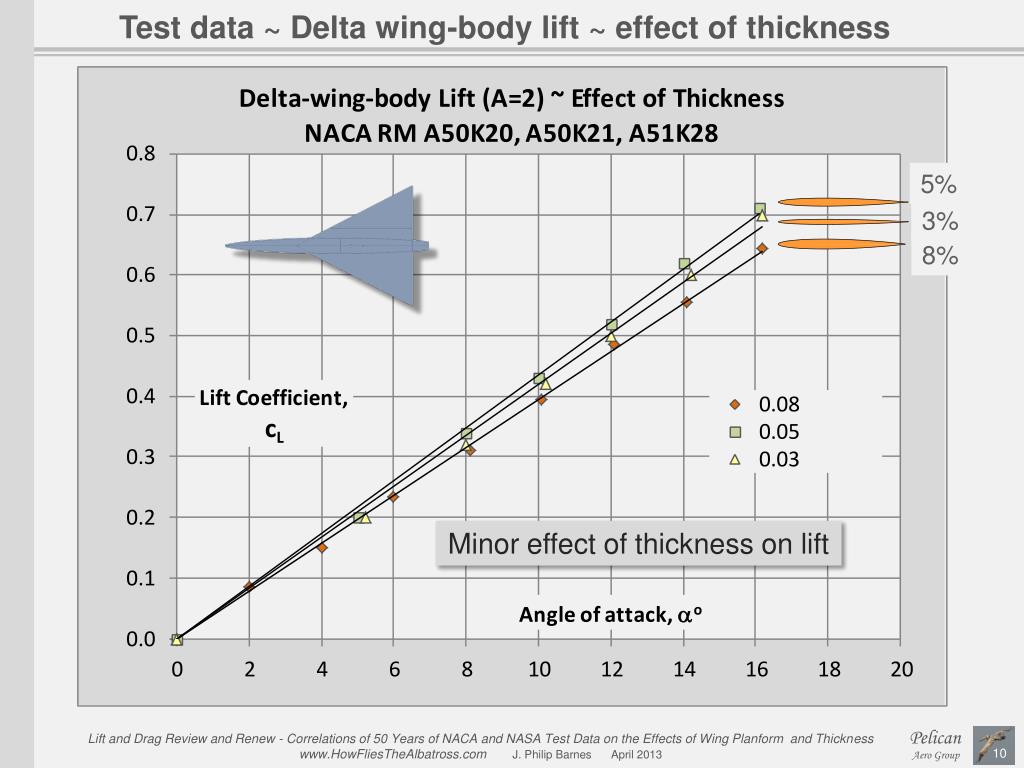
I used the same delta wing characteristics developed for the XB-70 (derived from published NACA reports) with some variations due to differences between the two wings platforms. That model proved to be effective also for the B-58.
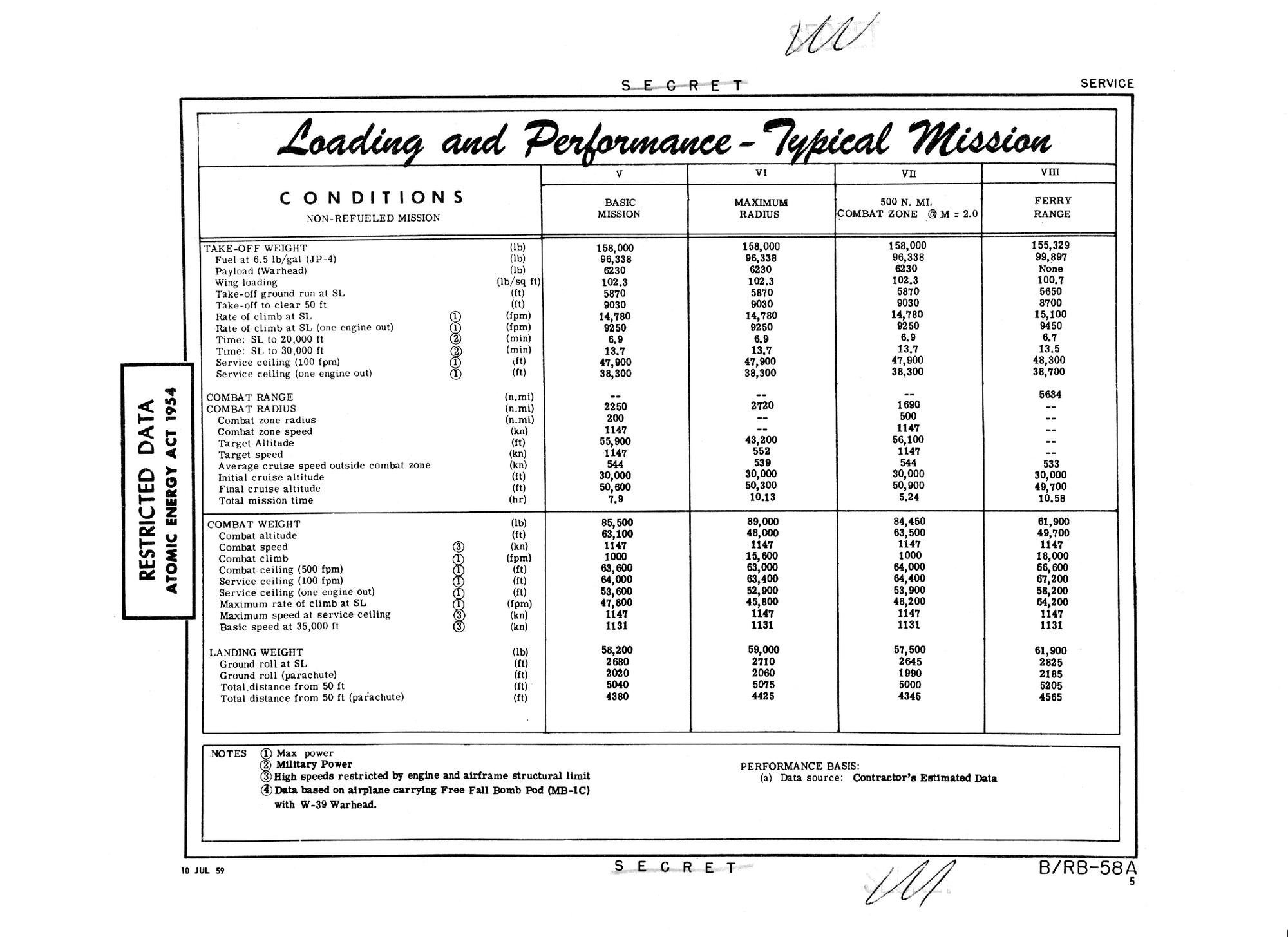
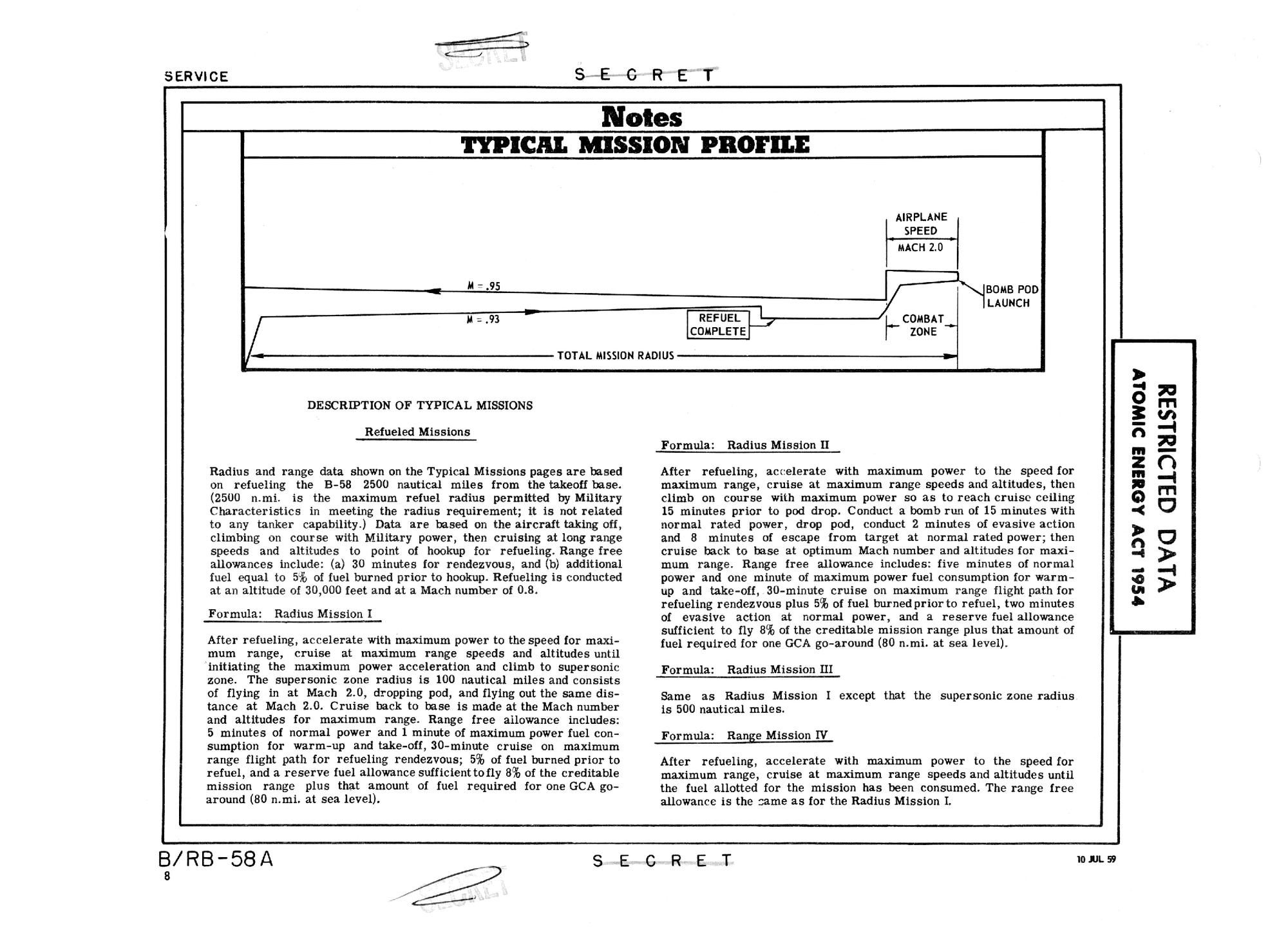
With the current flight model, is completely possible to fly the published flight envelope according to the non-refueled mission profile
I have yet to fine-tune the engine fuel consumption, this will be my next task for fine-tuning the performances
I have implemented all the advanced features allowed by MSFS:
- fully CFD aerodynamic model
- lateral drag coefficient for fuselage
- adverse yaw do to aileron differential deflection
- progressive stall to simulate (at least to a certain extent) the delta wing vortex lift
- controlled lateral forces during ground roll
- fully supersonic variable intake
- J79 brutal acceleration with two-stages afterburner
In its present state, the B-58 must be flown with all-time attention to speeds and throttle, as it is to be expected from such a high-perfomance airplane; still, I assure you can fly the complete flight envelope from takeoff to 64000 ft with hands-on-throttle-and-stick. Sure, a light and attentive touch must be used all times to control aircraft attitude and speed.
At subsonic speeds and relatively low altitude, the B-58 behaves like a -rather- heavy fighter, nimble and responsive to the pilot inputs that must be decise.
At 60000 ft and M2.0 very slight changes in elevator position will result in immediate change in vertical speed, as to be expected because of the very high speed and thin air. Still, the B-58 is controllable in long, smooth turns.
During approach, continuous control of attitude and speed is required until touchdown at approx 200-180 kts
All in all, I think this will be a challenging (but not overwhelming) and satisfying aircraft to fly in MSFS - Of course, the ultimate answer will be up to you fellow Pilots! Rest assured, I will continue to work with Airmax to fine tune the B-58 behaviour.
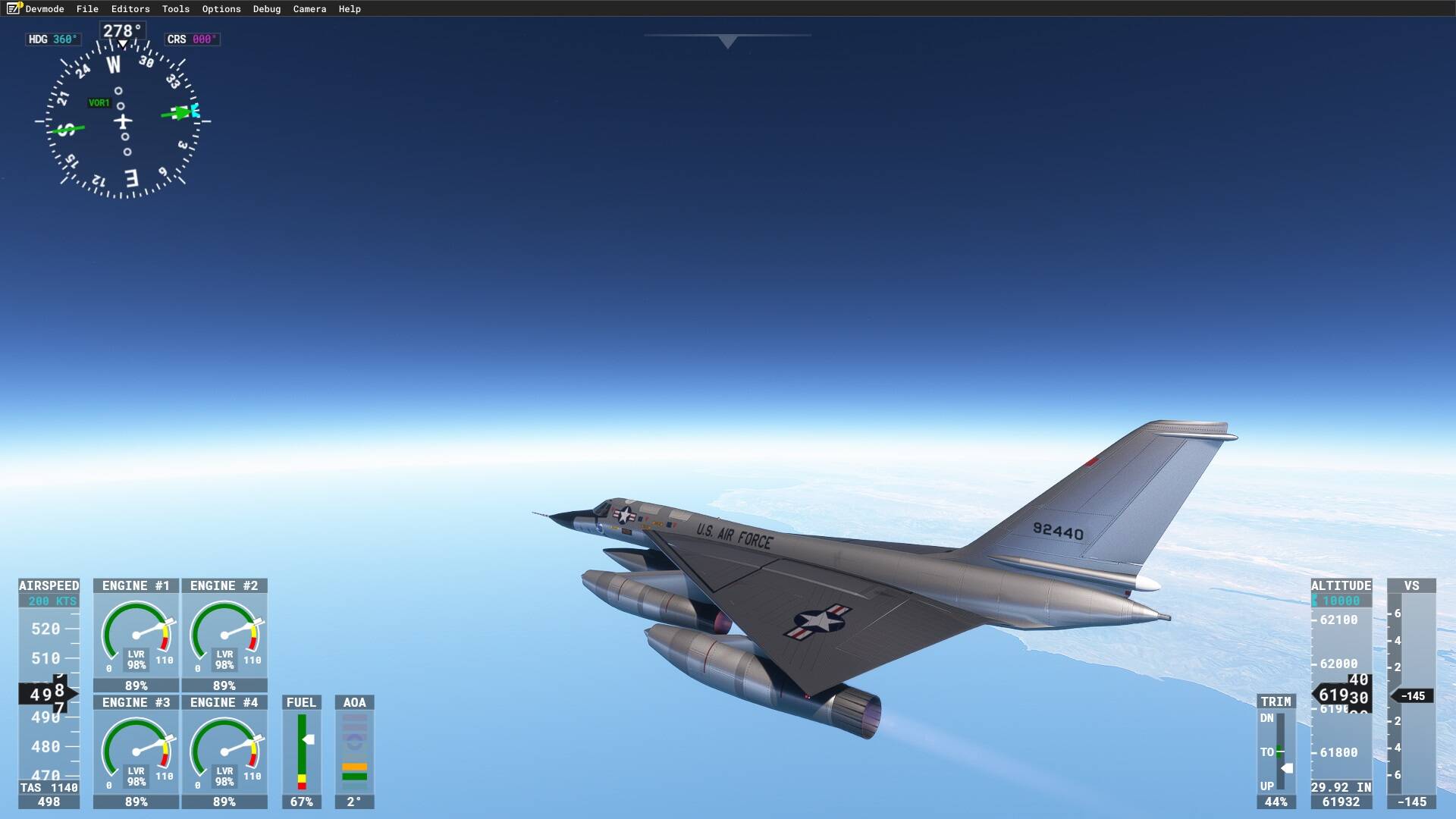
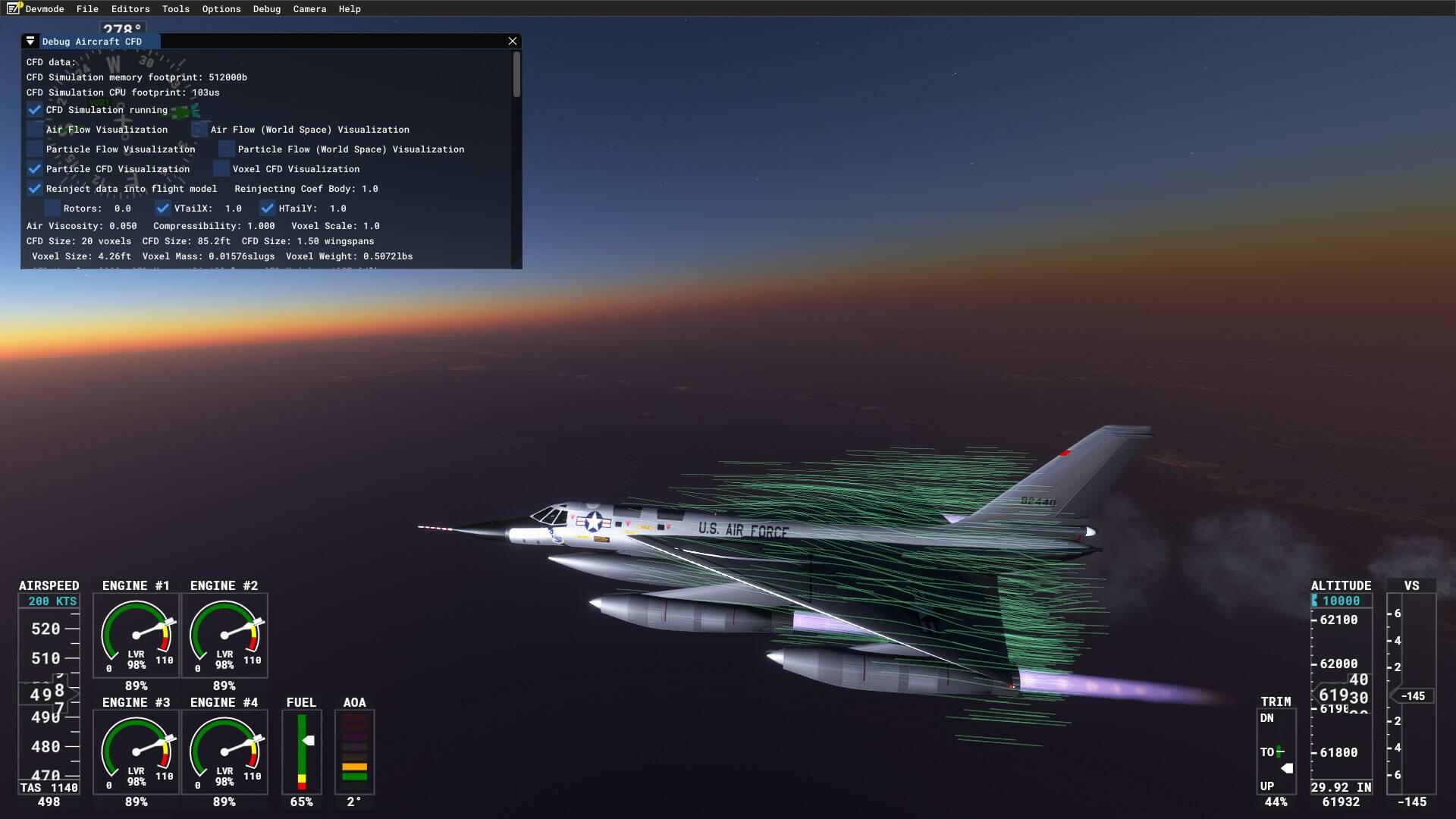
Hopefully this report of mine has been an interesting read, let me conclude with some screen shots of the B-58 at high speed, high altitude (note the CFD airflow along the delta wing and the engines - IMHO truly awesome achievement from Asobo)