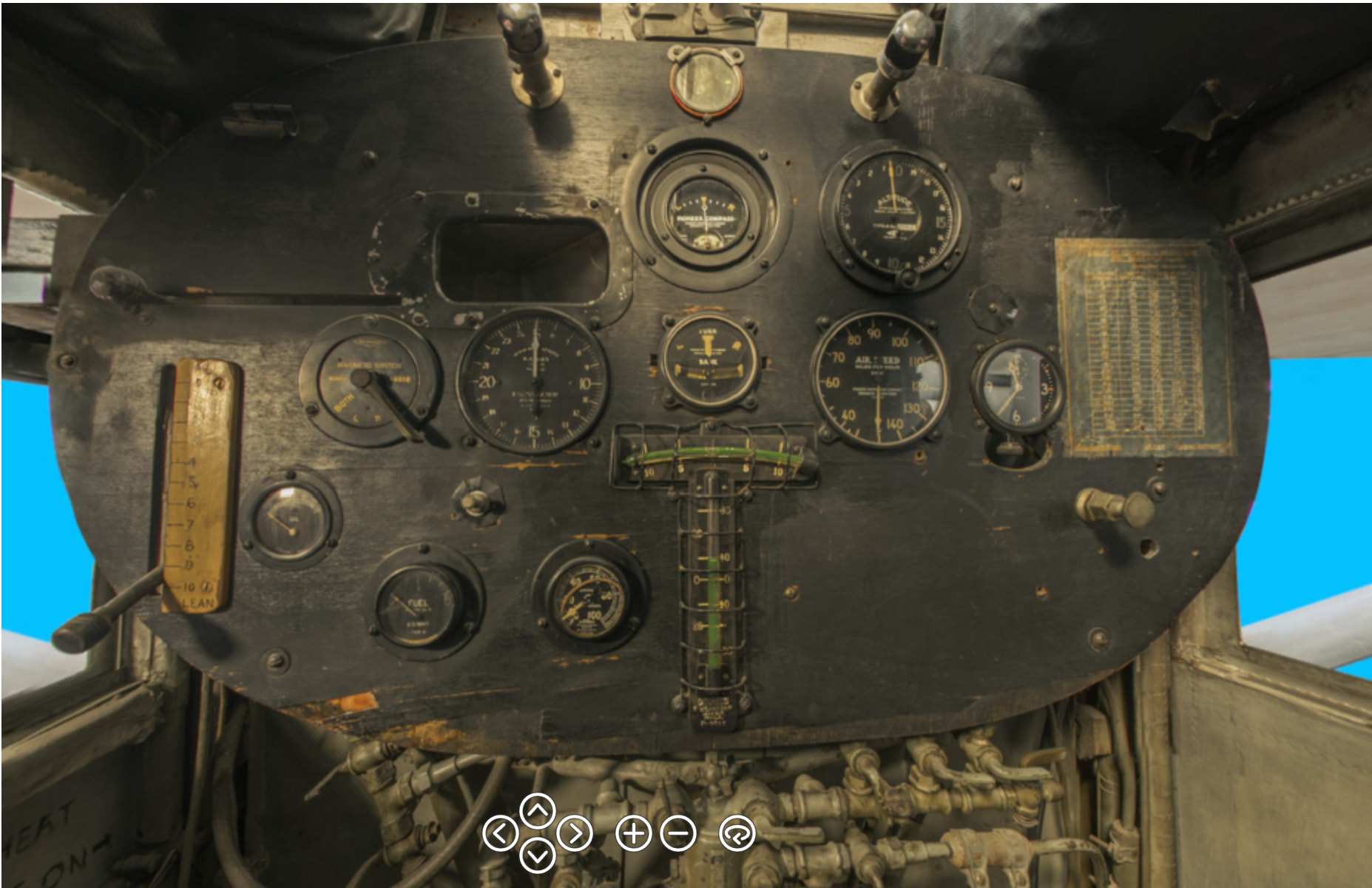
I was interested in the instruments in Chales Lindbergh’s Spirit of St Louis aircraft, a highly modified version of a conventional Ryan M-2 strut-braced monoplane, powered by a reliable 223hp Wright J-5C engine.
I was wondering what a “Victometer” was in his cockpit and basically it is the “RPM” guauge which worked of the flywheel with centrifugal flyweights on the crankshaft. So following that became curious what flight instruments were around in that era.
I found this paper for those who love this era aircraft.
Hard to believe his only forward view was a periscope!
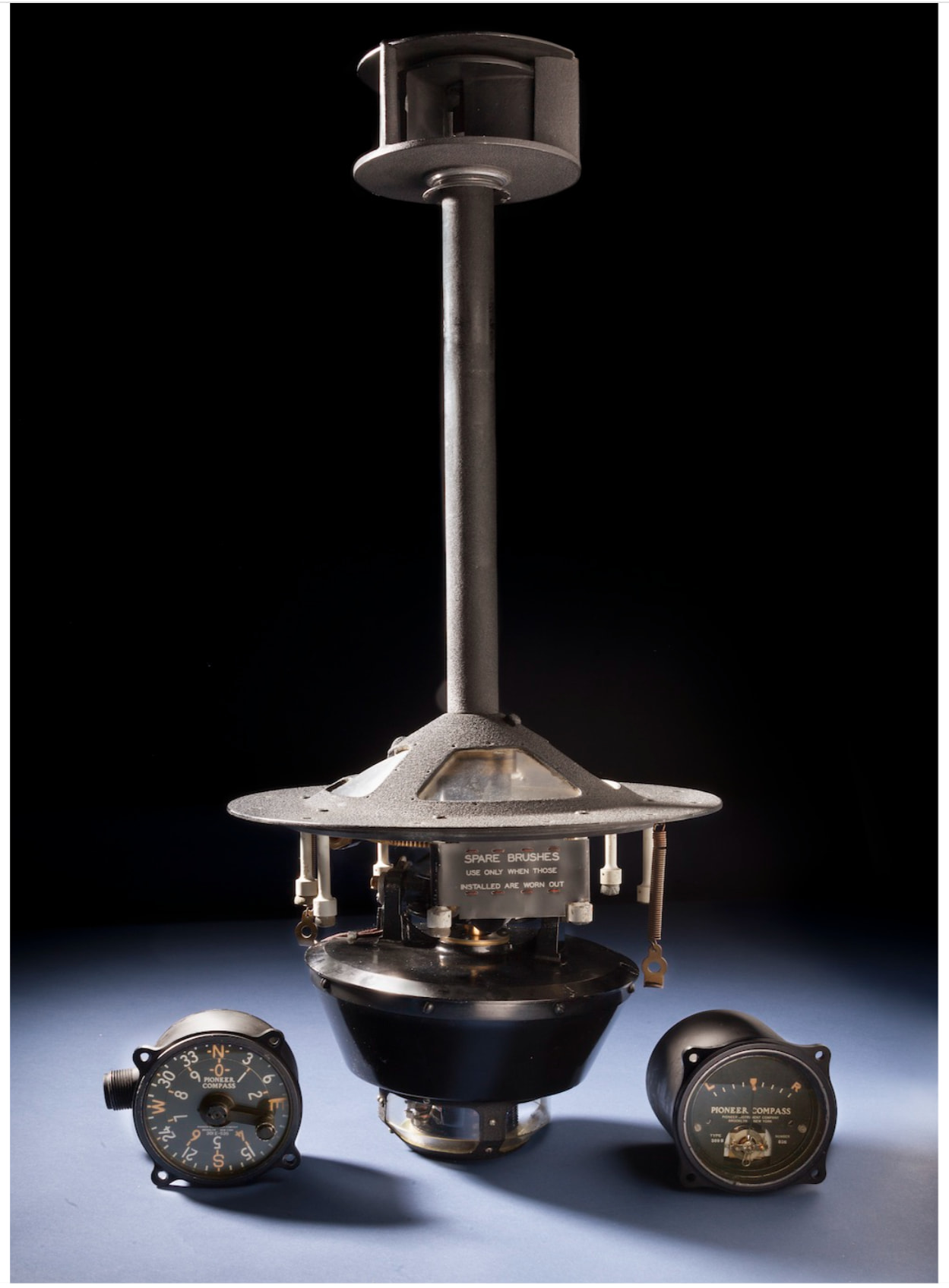
Very interesting. Mounting a Compass in the rear of the aircraft so it wouldn’t be affected by the metallic engine. Crumbs, that must have been almost useless if you cannot see it let alone how inacccurate it was before the inductor compass.
Lindbergh used that on the flight to Paris. Apparently it became faulty during the flight so goodness knows how he actually found Paris. You can’t help admiring these guys who even think about developing these early instruments without a single computer. Just imagine, a wind driven generator to induce current to create an induction field