Interesting article.
Moved from User Support Hub 
Interesting article - thanks for posting. Always tough with things like this - R22/R44 does attract a lot of new pilots. Curious what the real pilots think.
You have to take it with a grain of salt. It’s simply numbers and statistics. Robinsons are the most popular Rotorcraft used in training, in both part 61 and part 141. They statistically have pilots with low hours operating these ships. This is why they have earned (rightfully or wrongfully) their bad rap. There are so many Robinsons being flown that when you hear of an accident it’s usually a Robbie. On the other hand there are so many of them being flown and the majority of them have no issues, but we don’t hear about the majority. It can go both ways. This article from 2018 seems a little biased and definitely misleading from the LA times. 
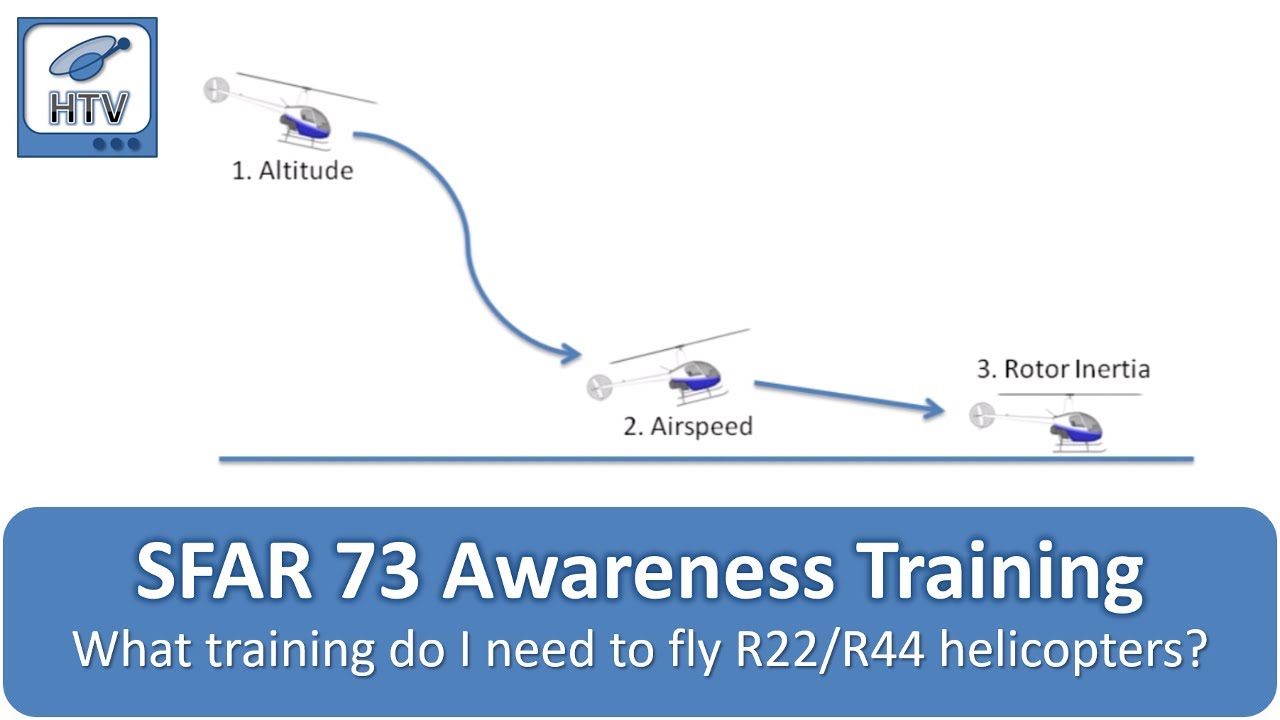
They are very safe if you fly them safely, if you fly them aggressively they will have more issues (stressing the rotorwings, low g pushovers, flying beyond new pilots limits, weather, night, and other conditions not conductive to student or low hour pilot experience. Mast bumping, rotor decay blade stall, improper energy management.)
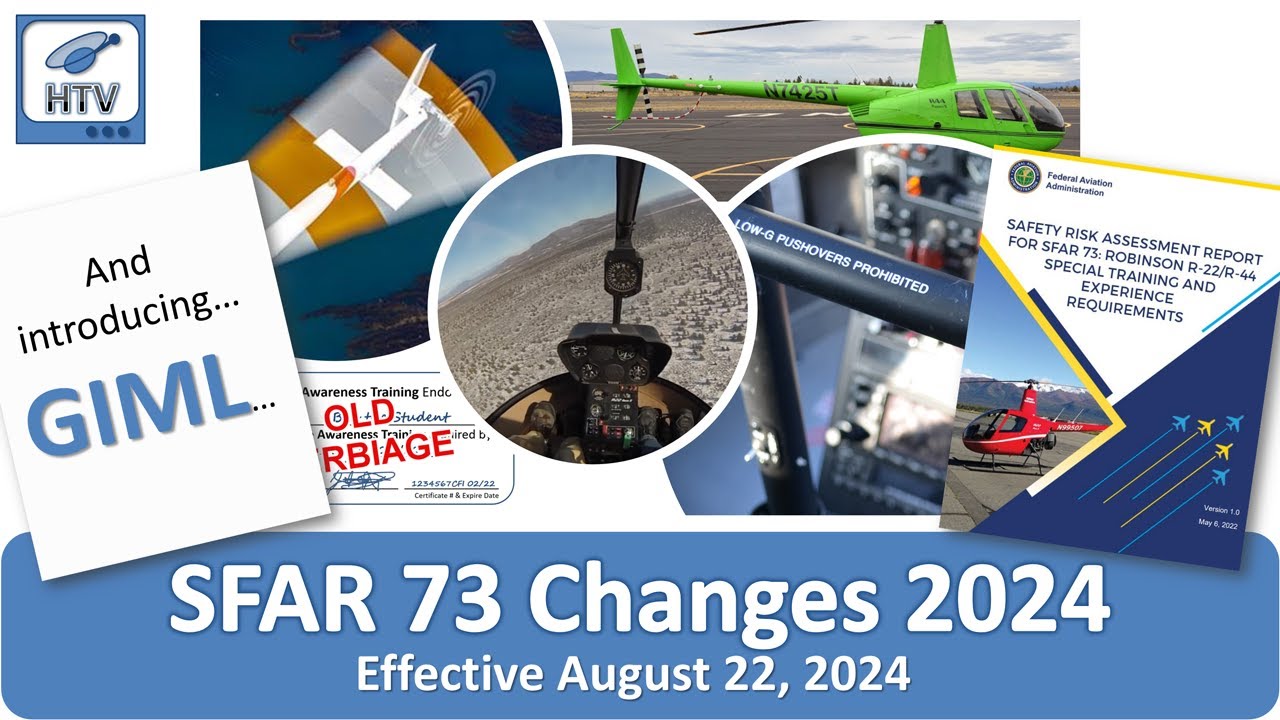
Robinson has a great safety course that most programs require their students to participate in, all new Robinson’s now have cameras in the cabin (like airbus helis) and they show accident videos to help students and newer pilots understand what can go wrong and how. As well Robinsons have had their own SFARs for many years now. I’ve also been a bit fearful of piston heli’s and I’ve called them inverted lawn mowers. I’ve gone on an introductory flight, a tour and I am starting my PPL-H training very soon. I no longer have the amount of fear I once had after stepping inside and flying the Robinson’s and listening to some professionals thoughts on these Rotorcraft. With anything in life, everything comes with inherent risks, if you can manage those risks with proper training, knowledge and experience you’ll be just fine. Get your hours and move on to Turbine transition.
Cirrus aircraft have also earned this bad rap with their CAPs amongst the fixed wing crowd (rightfully or wrongfully) the same way, it’s statistics that they’re a popular aircraft often with low time pilots operating. While diamond has become a larger presence in schools you’ll find cirrus aircraft have had “more” accidents, because they are so prevalent in the training of new pilots.
2 Likes
I wouldn’t say it “attract” a lot of new pilots. It’s just the cheapest to buy and operate.
1 Like
Which is why it attracts pilots just starting out… 
Did they just make those changes this year? Seems like the problem has been present since day 1. Odd they waited all these years to address it. Like waiting until there are multiple deaths at a street intersection before putting up a stop light.
Some changes in phraseology and instructing methods were updated. SFARs are meant to be temporary so this is a bit more nuanced, and detailed moving forward. The FAA and regulation changes can move slow, in fact for helicopter license we used to study the PTS (Practical Test Standards) and have been waiting to be updated to the ACS (Airman Certification Standards) similar to fixed wing pilot license uses for testing check rides. The ACS is now in effect for helicopter check rides May 2024.
This is a false equivalency at best and a poor analogy at worst. But for the sake of good conversation I’ll play along.
Let’s say at that intersection these accidents occur at, these drivers are ignoring speed limit signs, intersection ahead signs, (placards, no Low G push overs, ignoring SFAR requirements) and driving recklessly beyond the limits of their vehicle speeding without room to brake (improper energy management). Driving either ignorantly, non suspecting or being reckless. Even with a new stoplight in our metaphorical intersection, if these drivers are not educated, experienced or knowledgable about their vehicles limits, there will still be accidents.
While thousands of vehicles pass through the same intersection everyday without issue or accident. Do we blame the vehicle manufacturer for drivers inexperience, lack of knowledge of roadway signs, or being reckless? Do we say Audi, BMW, Ford, Chevy, Jeep have inherent design flaws because of driver error? Or do we try and educate these drivers with programs and information before they get their learners permit and drivers licenses? That way they are aware of the implications and possible outcomes of being ignorant or reckless.
Regardless of what you think about Robinson the fact is if you fly within the limits of the Rotorcraft, and are familiar with the signs of Low G in turbulence, RPM management, and in general practice safe flying they are more than reliable.
The equivalency is relevant to the fuel tanks exploding after a minor accident. Not sure if you read the article I referenced, but the information is there. Both the “Robinson Chug” and the fuel tank issues seemingly have nothing to do with pilot error but design flaw. If this were a motor vehicle issue, the DOT would have forced a manufacturer paid recall. The FAA seems to do things differently. Expecting someone to pony up an additional $8000 to repair these manufacturer design flaws seems almost criminal in nature.
I mean, the initial response to the fuel tank fires not being the bladders they eventually came up with, but rather a recommendation to wear a fireproof Nomex flight suit, definitely doesn’t inspire confidence.
This topic was automatically closed 365 days after the last reply. New replies are no longer allowed.