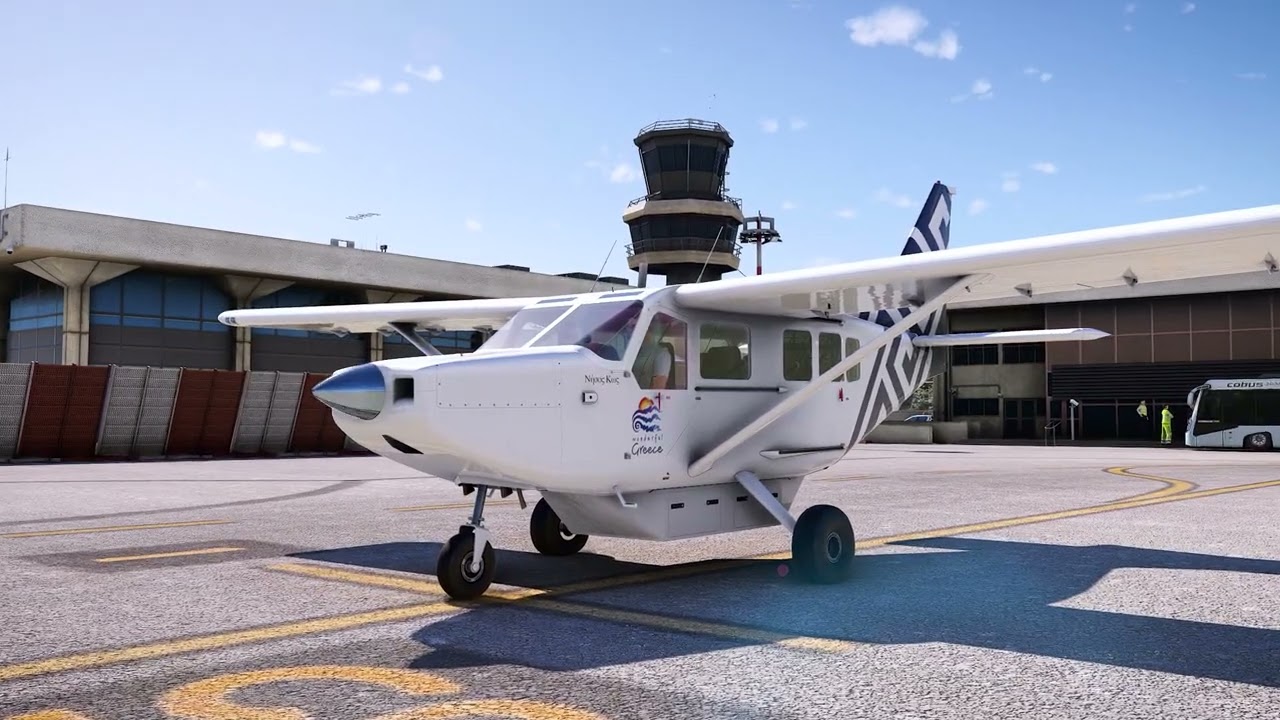
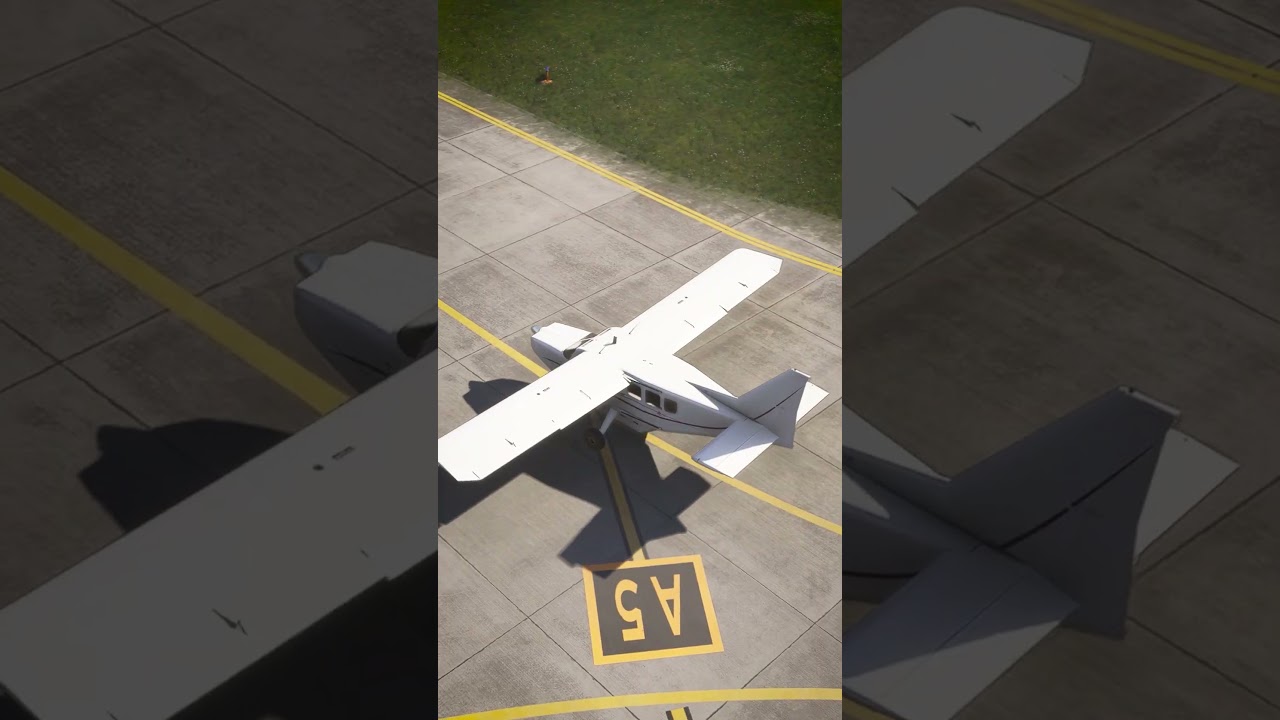
I bring more news about the Airvan and its failure module.
As it stands now, the last remaining items for the base aircraft are a couple of tablet functions and the AI aircraft sounds, which should be done any day now. We will also release the aircraft paint kit to the RV-8 one-by next weekend, so you can start working on your favorite liveries! But we’ll go over it in more detail over video in the coming days, along with the release date announcement.
Let’s dive a bit into the failure module, which has been in the oven for quite some time. As of today, the aircraft supports more than 70 failures, so let’s get a little into them:
— The simplest form of failure is an electrical circuit that pops a circuit breaker. You can try resetting it, and it may stay in or pop out again. We don’t really know, as the system is agnostic.
— The second form is singular failures, but more complex in nature. The propeller of an aircraft that spends its time at 2500ft during the winter will wear out sooner than a plane that works at 6000ft in the summer. Density, humidity, sand particles, everything works in unison to keep your mechanic in business!
— Lastly, we have cascading failures, where a failed system can affect or fail other dependent ones. Is your oil level below the minimum? Your engine can run hotter and wear down faster. But too low and your governor can also lose pressure and flatten the propeller. If you don’t control it, the engine will overspeed, this can damage it more!
The video below shows an example engine arrhythmia, caused by one of the cylinders failing to achieve combustion.
https://cdn.discordapp.com/attachments/929880010892931092/1370843962188890214/Microsoft_Flight_Simulator_2025.05.06_-_10.09.06.03.mp4?ex=6820f96d&is=681fa7ed&hm=bb67bf5cef380b457f36f118d406c5abd9041613d0588ed75c43f0df722407c0&
It is worth mentioning that each cylinder is treated separately in the simulation and while they are about the same, we don’t know if or which will fail first, or why, which has always been the goal.
And that’s what these two short videos below show.
Cylinders fail on both sides of the engine, which causes white smoke to come out of the exhaust on the side where the failure occurred.
Certain elements like the prop wear and oil level can be visually inspected in preflight, while for others you will have to keep your eyes and ears open to diagnose.
That’s all for today, testing is ongoing and more information will be shared in the coming days.