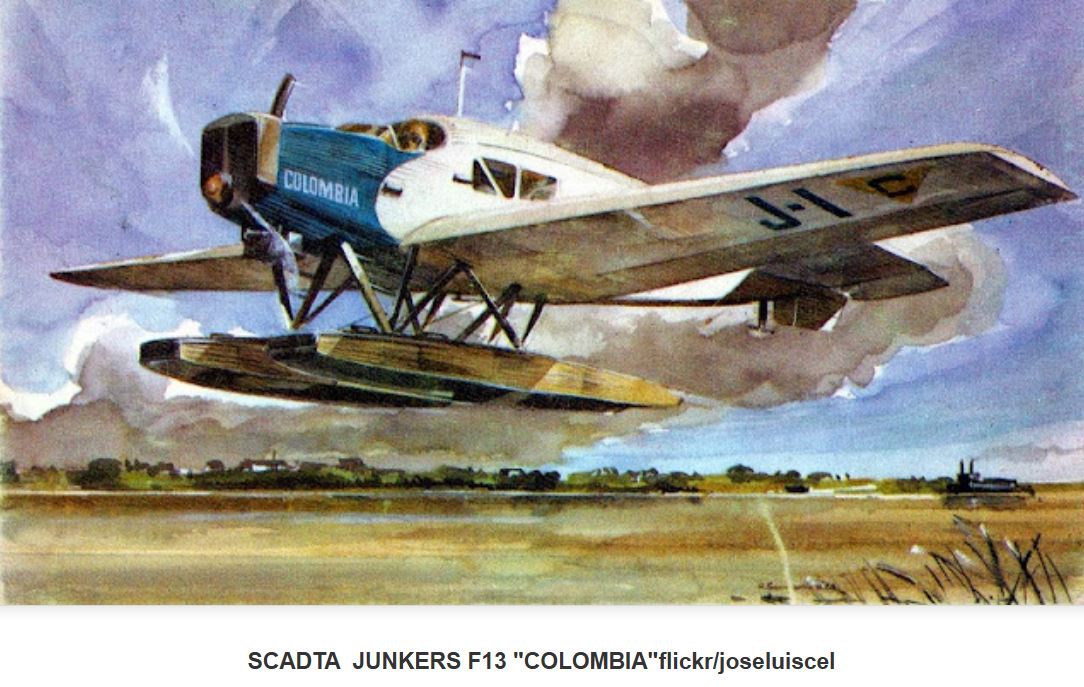
SCADTA (Sociedad Colombo Alemana de Transportes Aéreos) was the first airline in the Americas (and the second worldwide, after KLM). It operated until 1940 when it was renamed Avianca.
A: 1920s - as there were no airports they operated Junkers (F13 & W34) floatplanes and Dornier Wals along the Rio Magdalena and the coast.
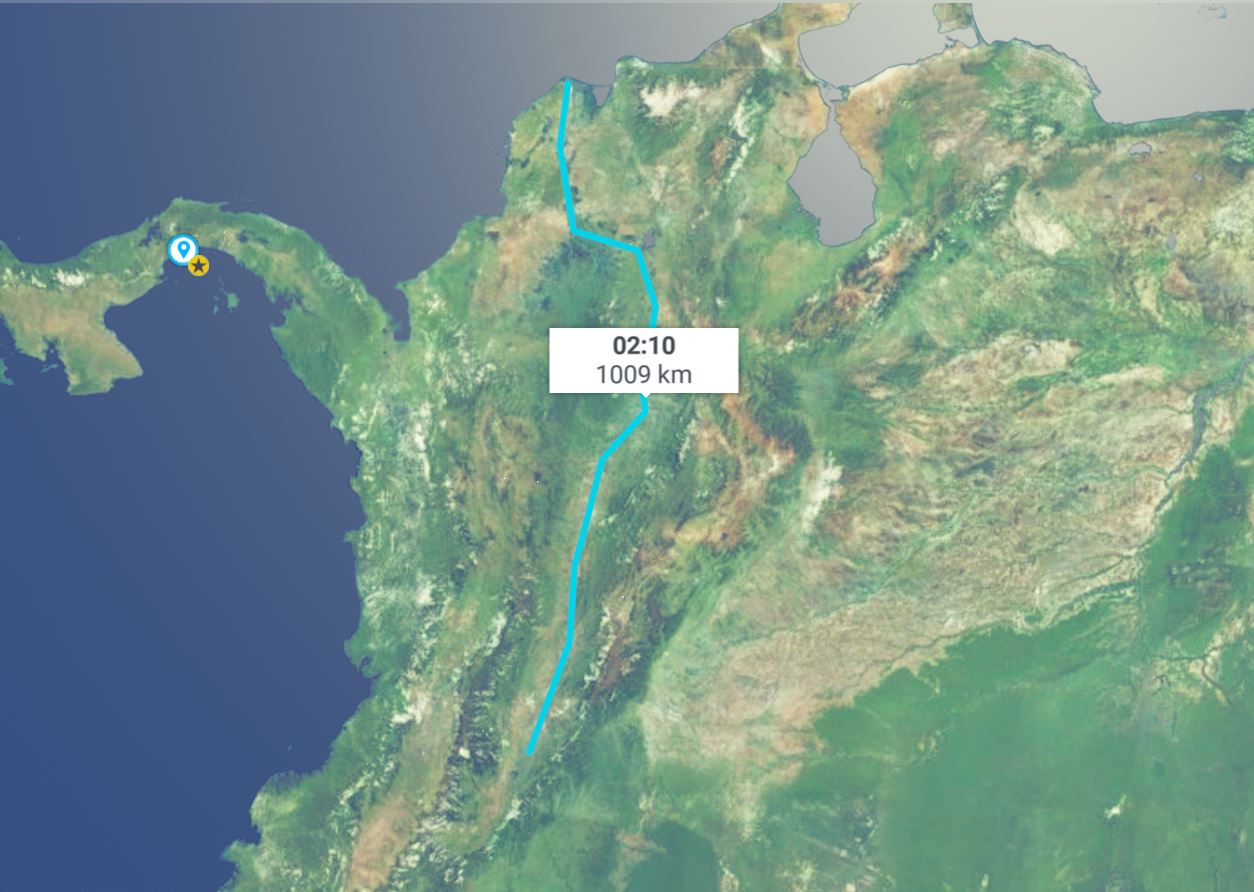
We fly a F13 from the Caribbean 1000km into the interior, the WPs were all upriver stopovers at the time.
B: 1930s - airports had been built: the carrier acquired Ford Trimotors and Boeing 247s, the number of routes increased considerably:
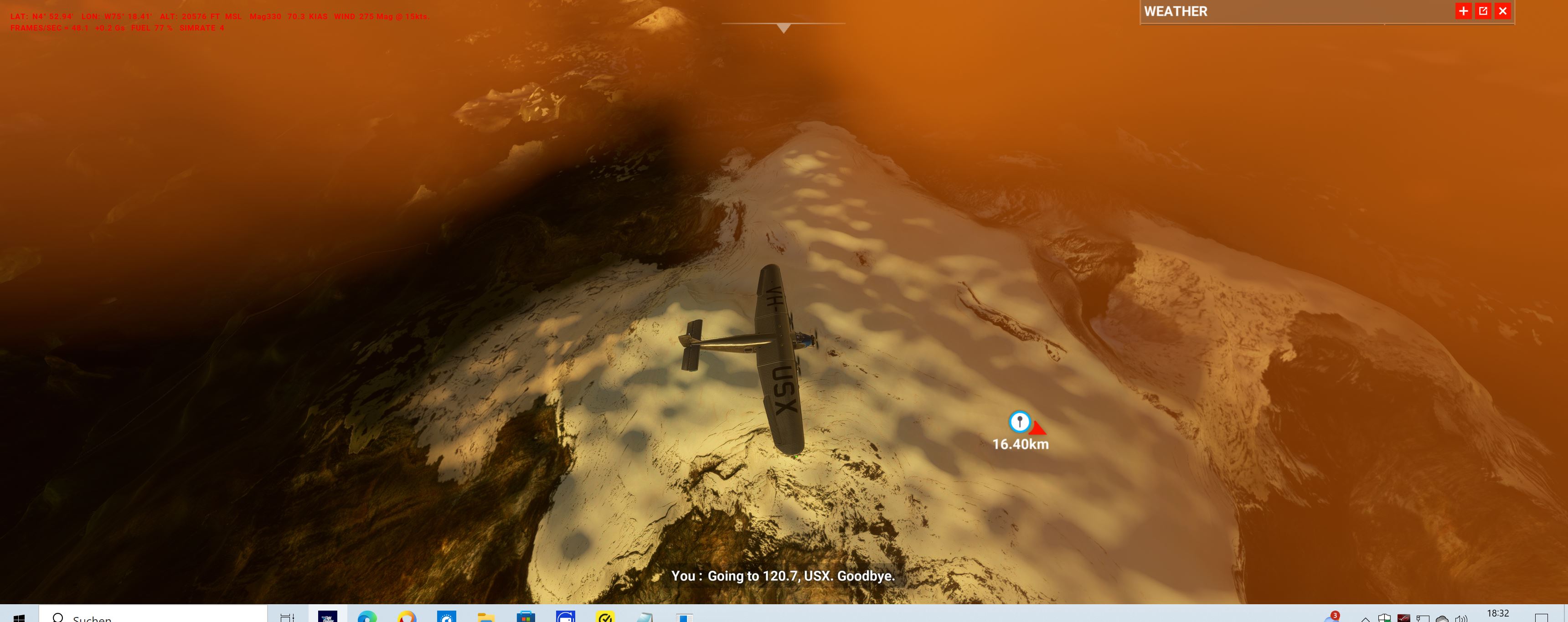
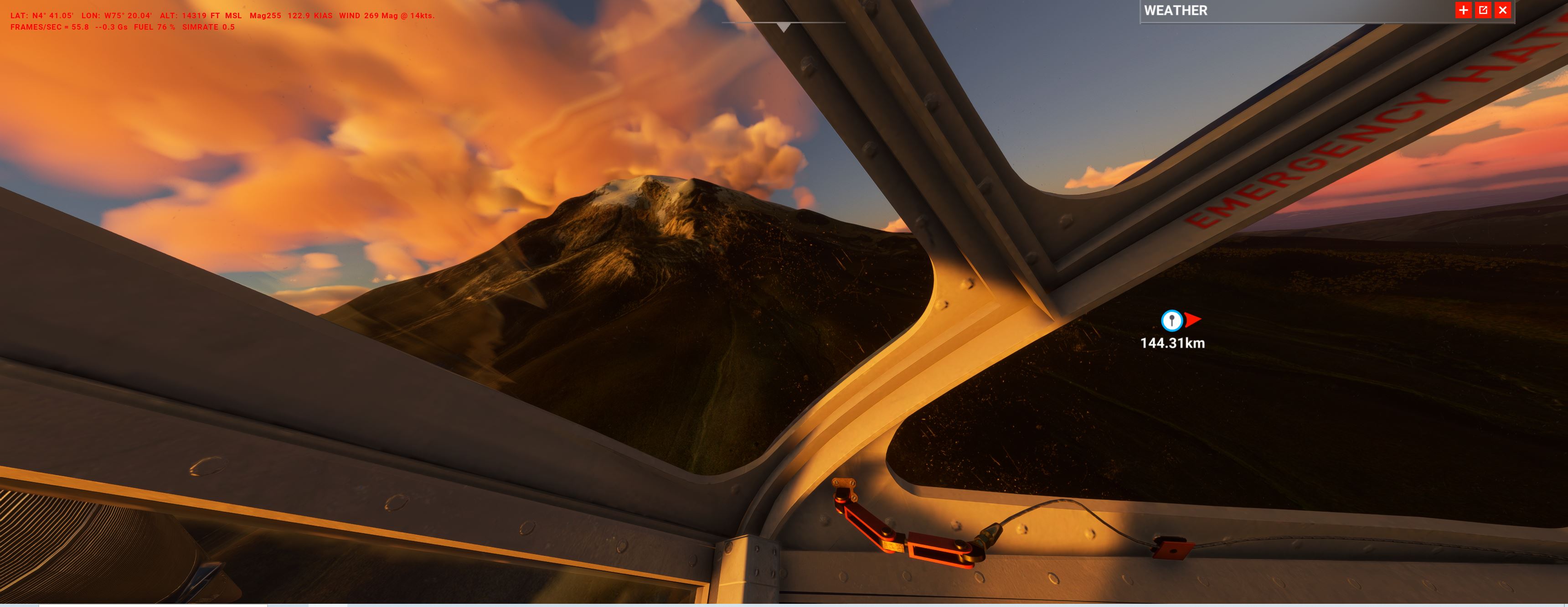
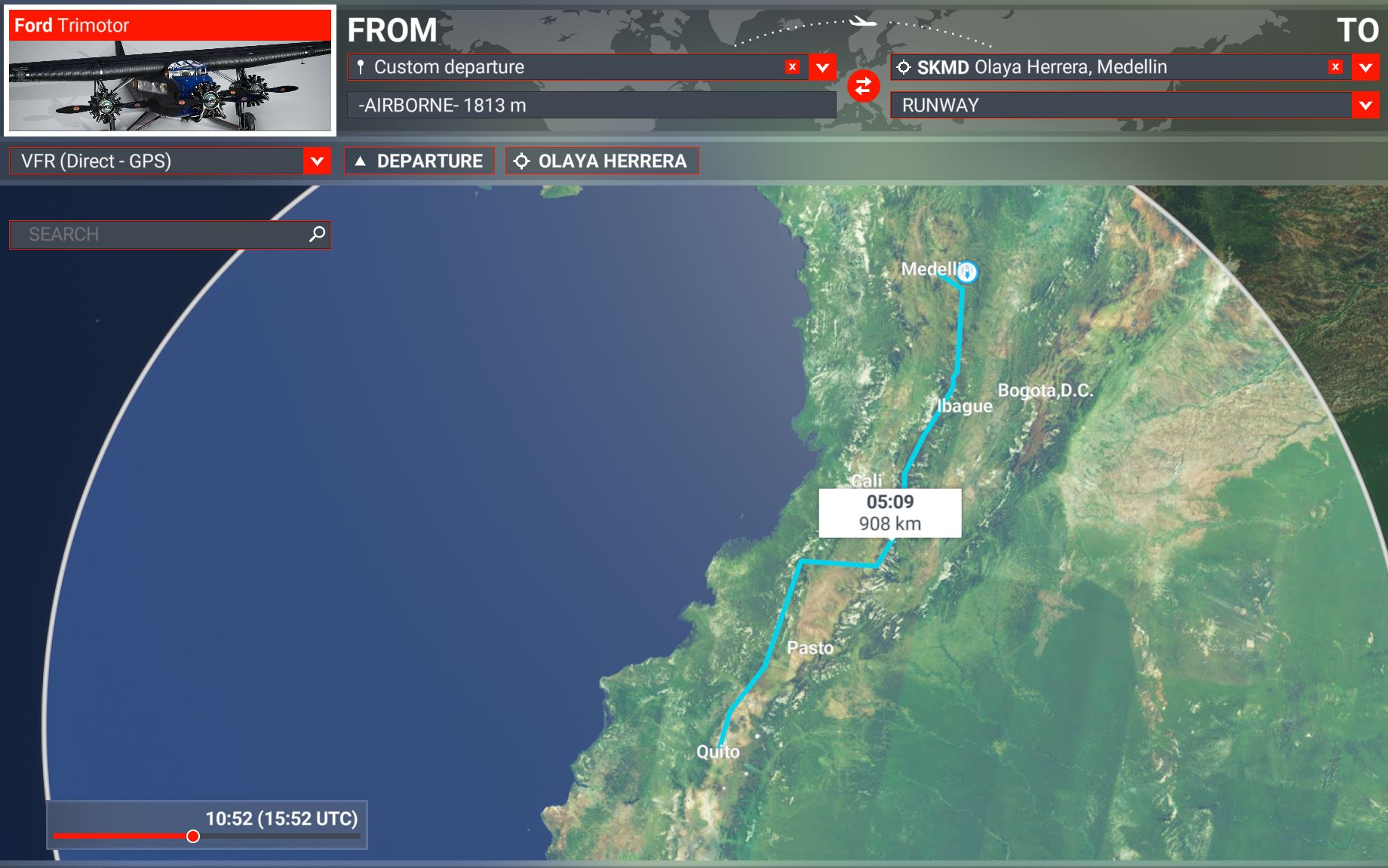
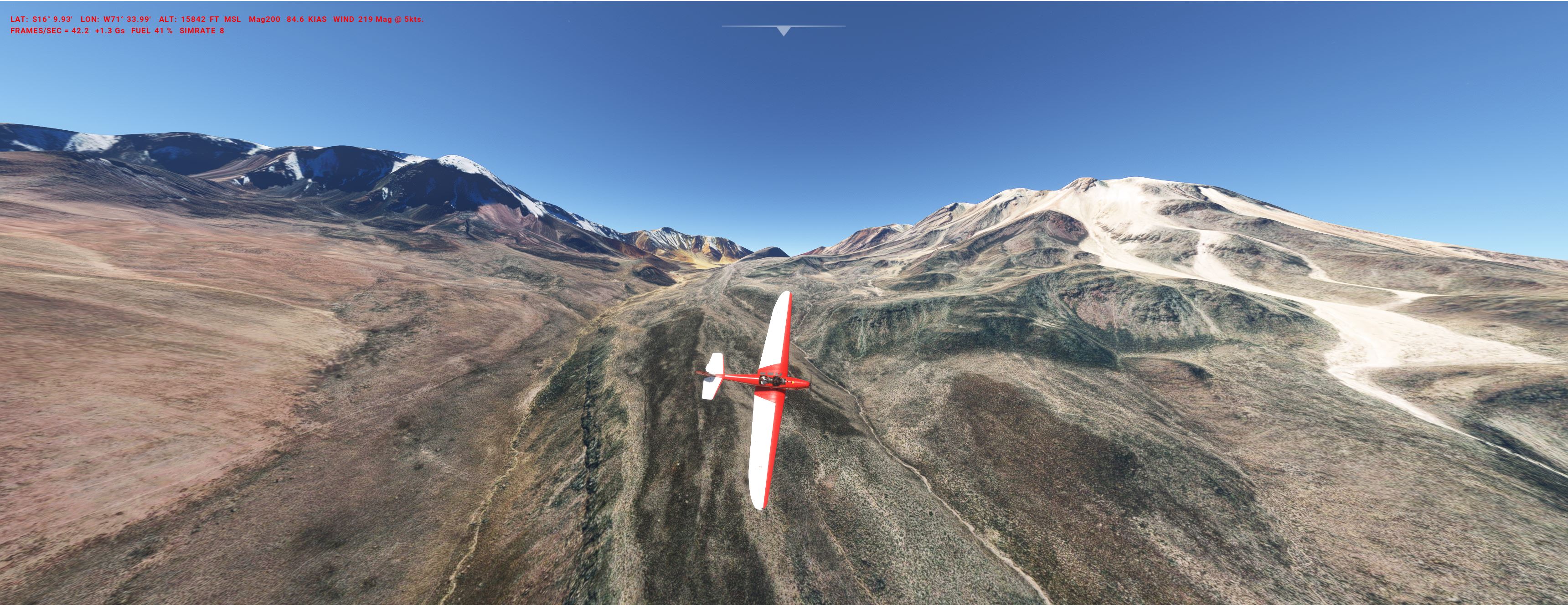
We fly a Ford on a scouting trip back from Quito to Medellin. Monitor the unknown meteorological conditions along the volcanoes of the Cordillera Occidental. How is the plane doing at 16.000ft?
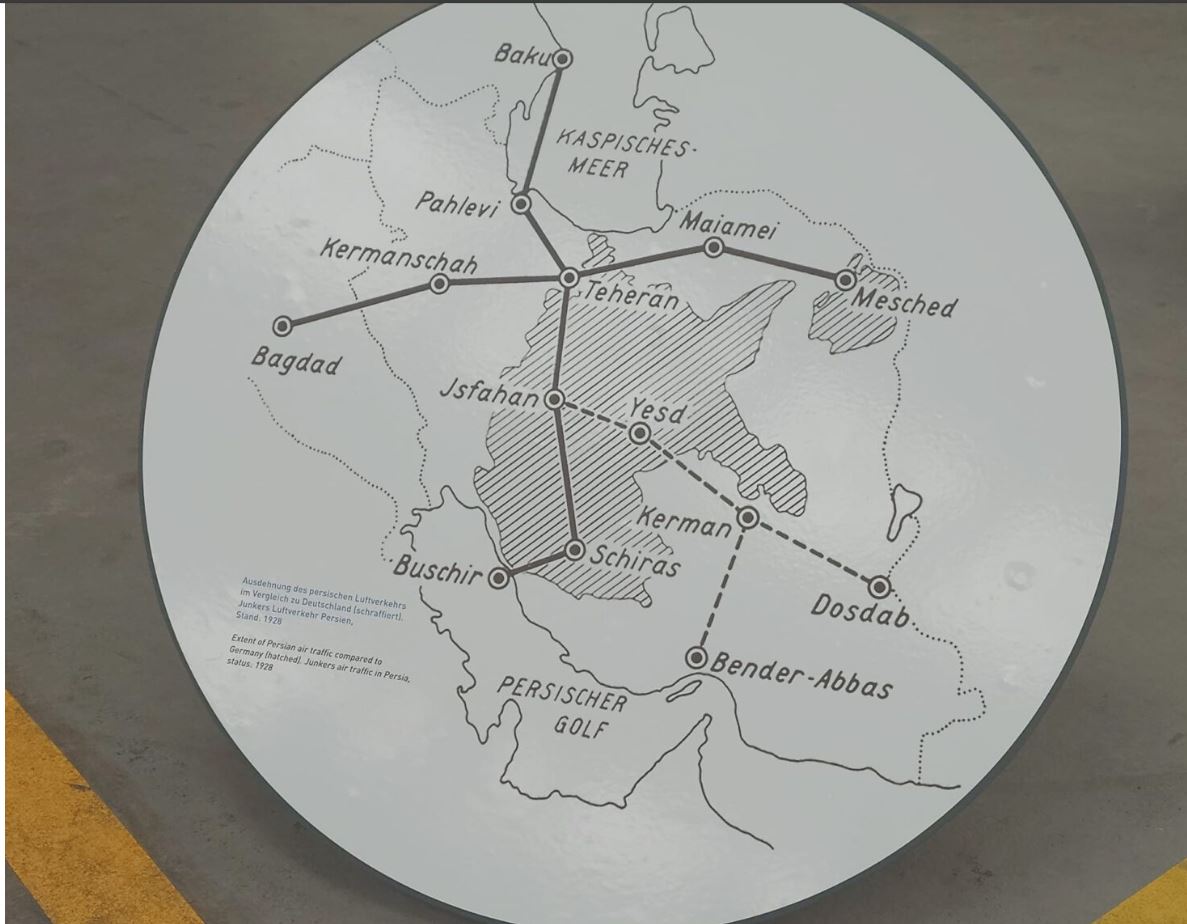
The airline “Junkers Luftverkehr” started its activities in Persia/Iran (at the time Junkers held 40% of the worlds air traffic, about as much as Boeing today…).
With its F13s it expanded fast, with routes all over the country:
The planes were also called in for shows-of-force against rebellious tribes, against smuggler caravans and photo-mapping of remote areas.
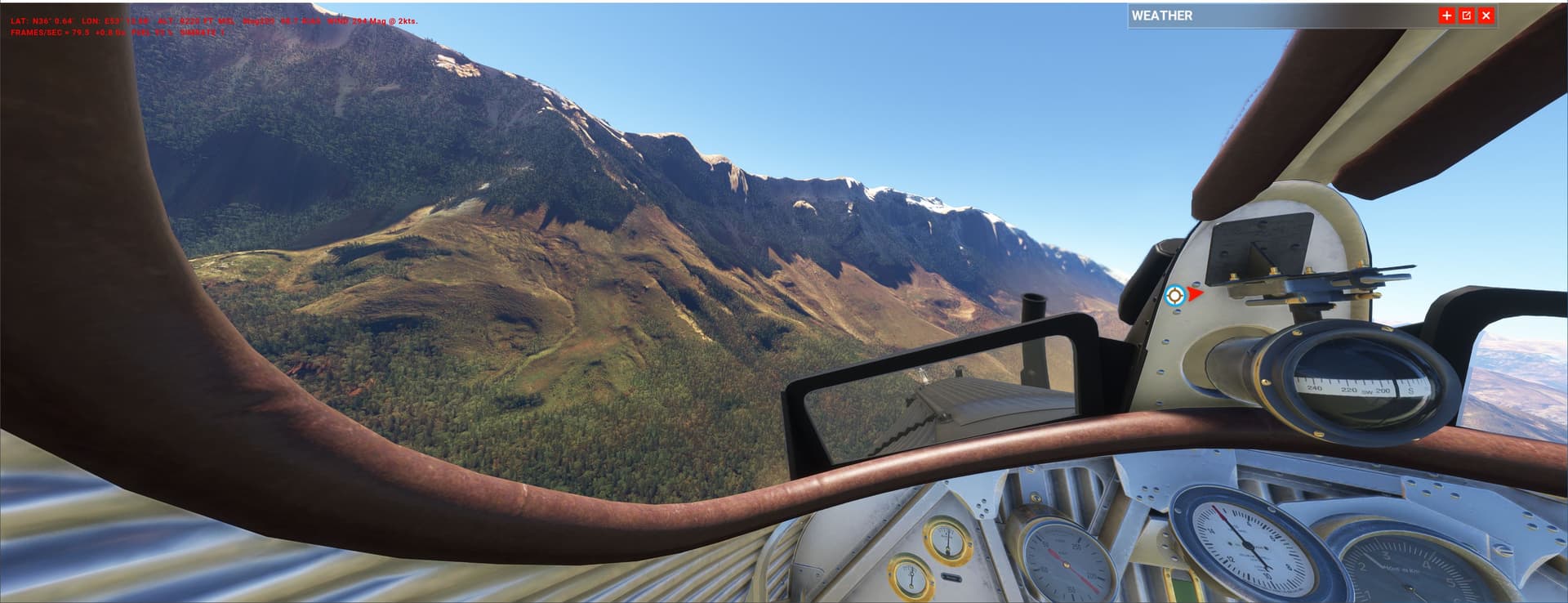
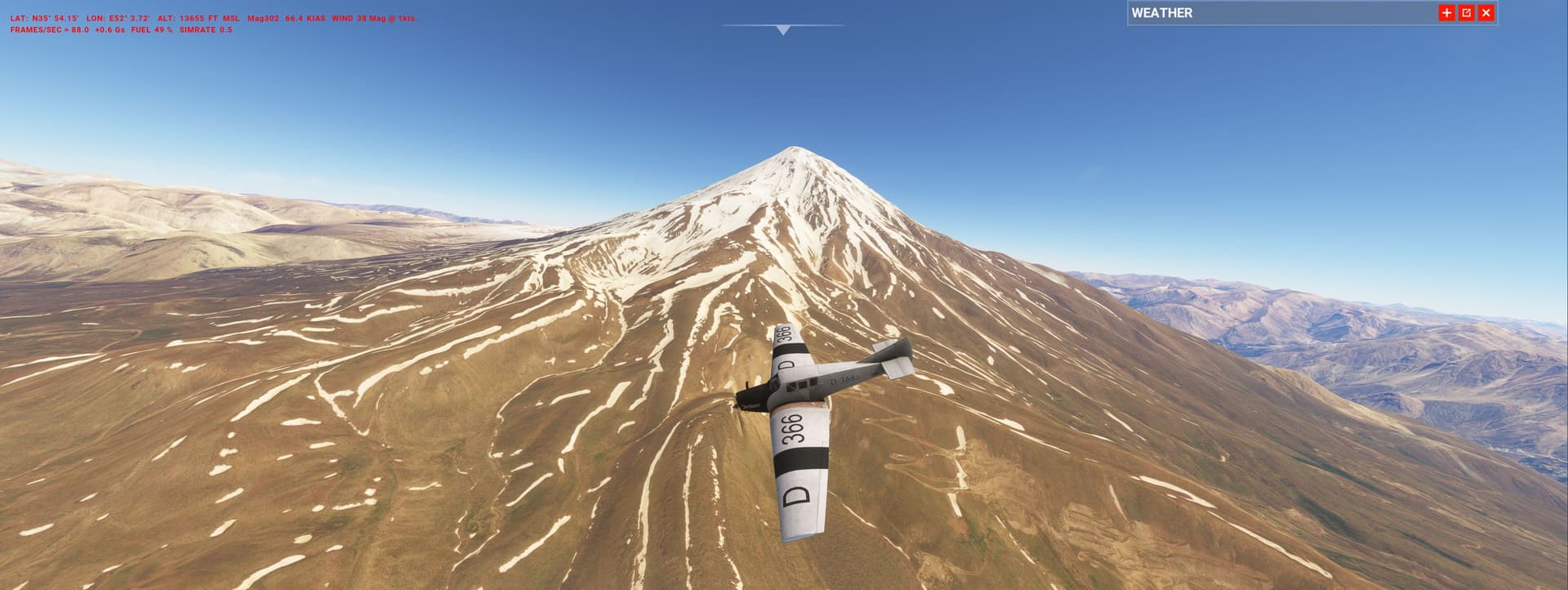
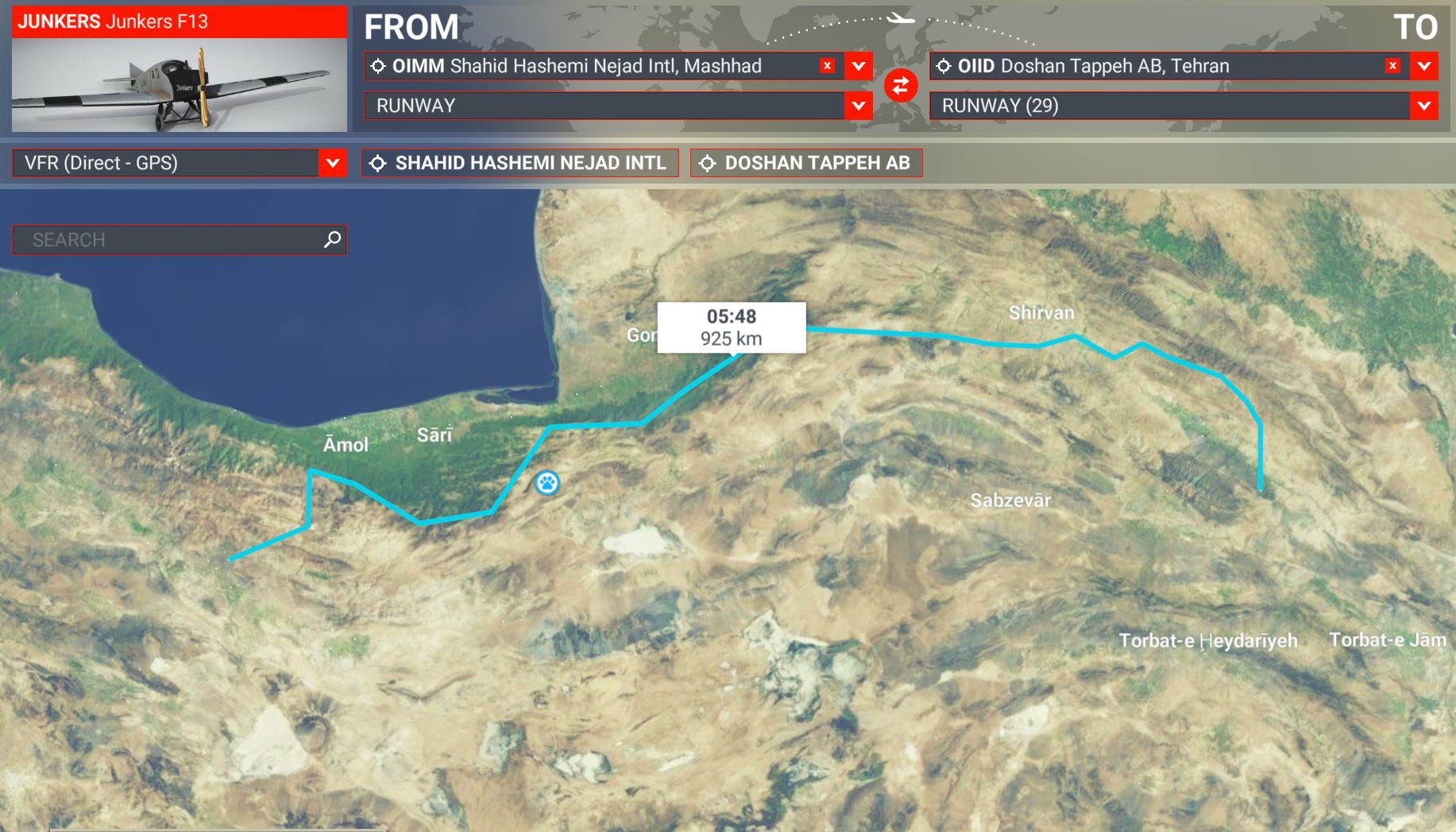
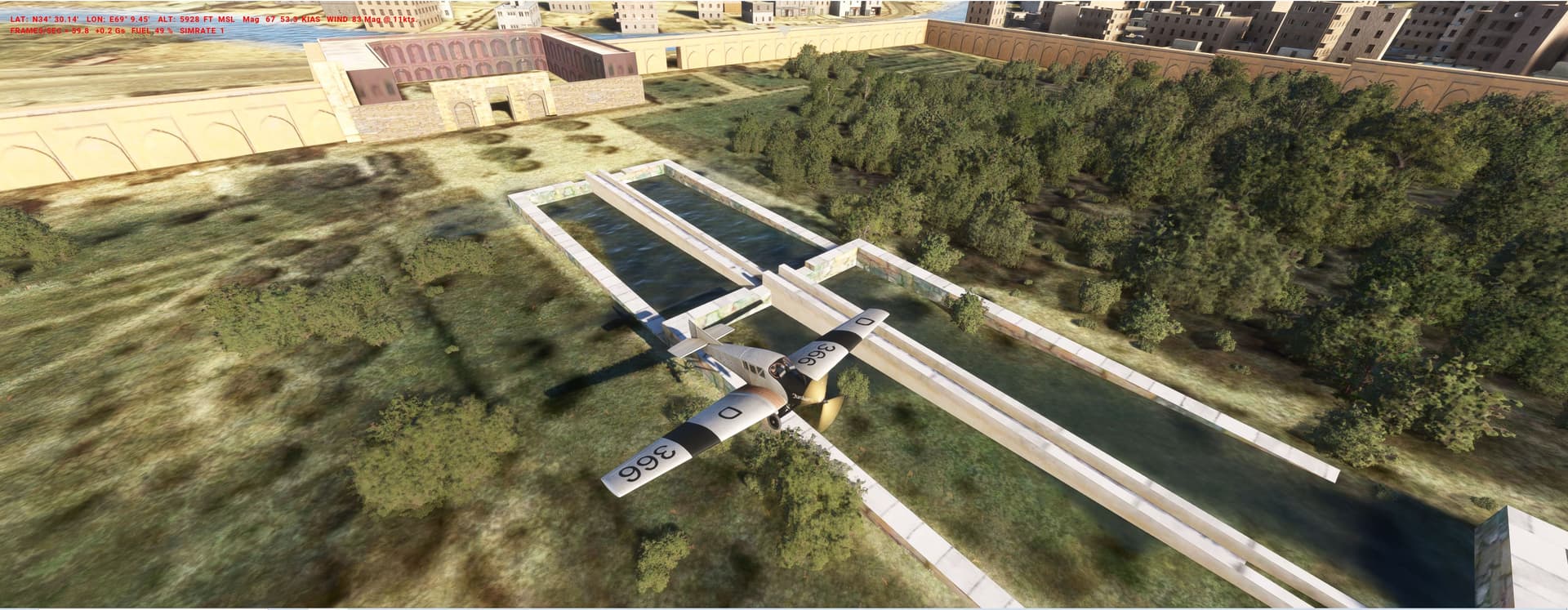
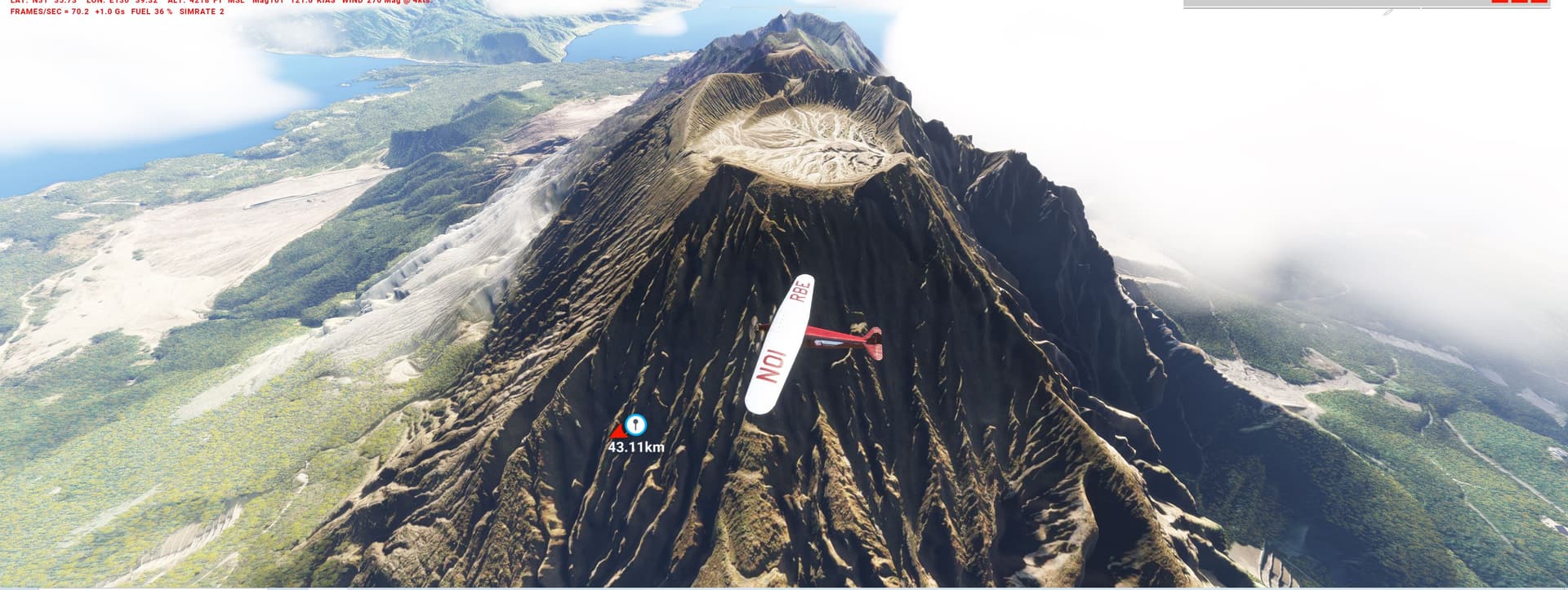
Here we fly from Mashhad near the wild eastern border thru canyons to the green northern escarpment and mighty Demawand back to Teheran.
The Junkers sales-rep in Kabul also tried to get a foothold in neighboring Afghanistan, finally getting an order for several F13s.
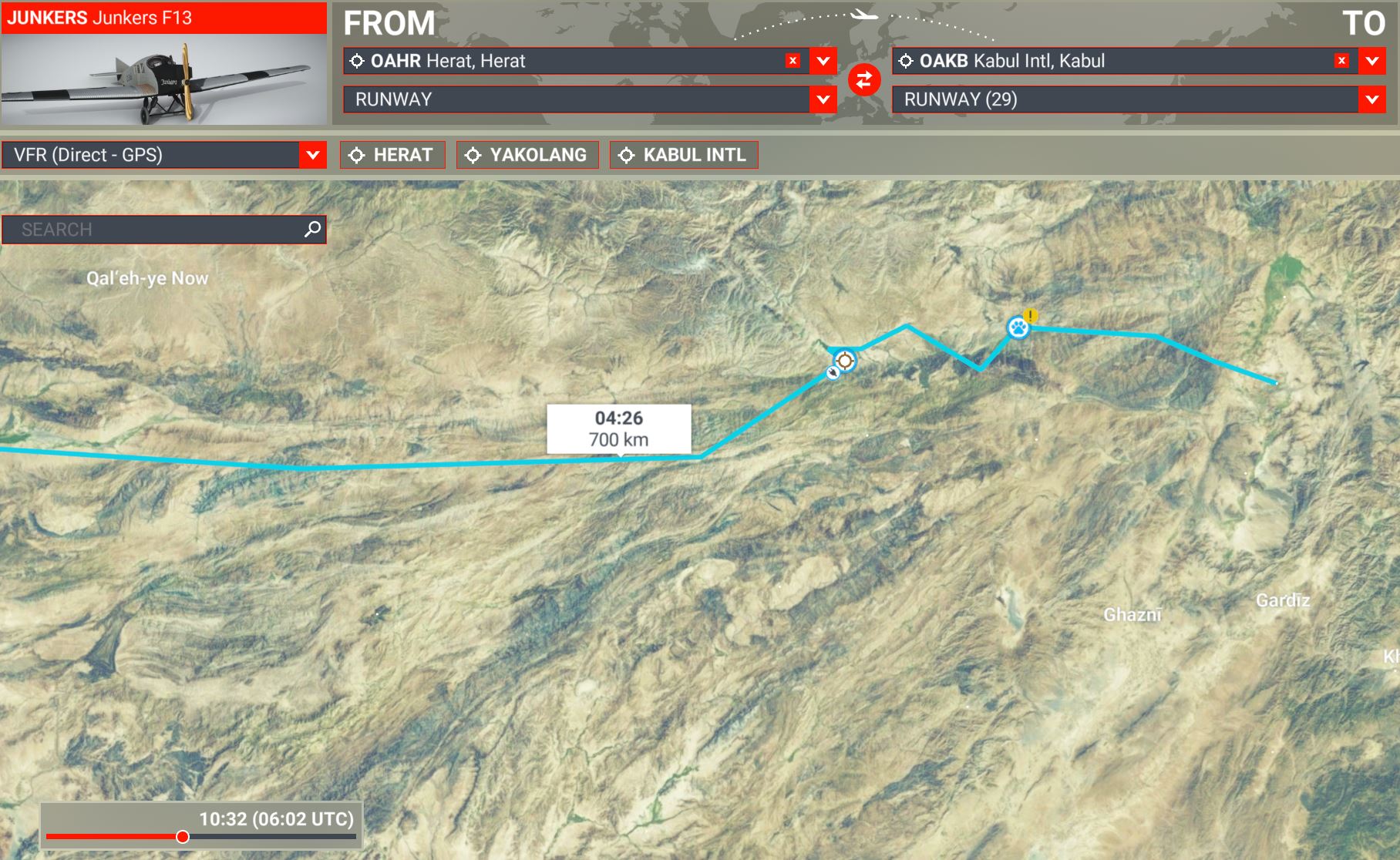
For a marketing trip, you are sent to fly a F13 from Iran via Herat to Kabul: along the famous Band-e-Amir-lakes, Bamiyan-Buddha-Statues (lost in a FSX-type DEM…) and along high mountains.
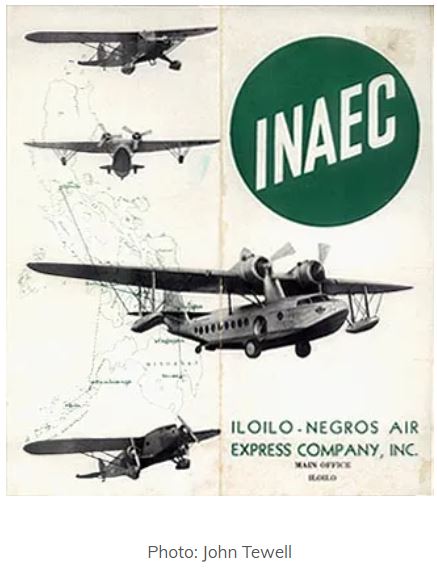
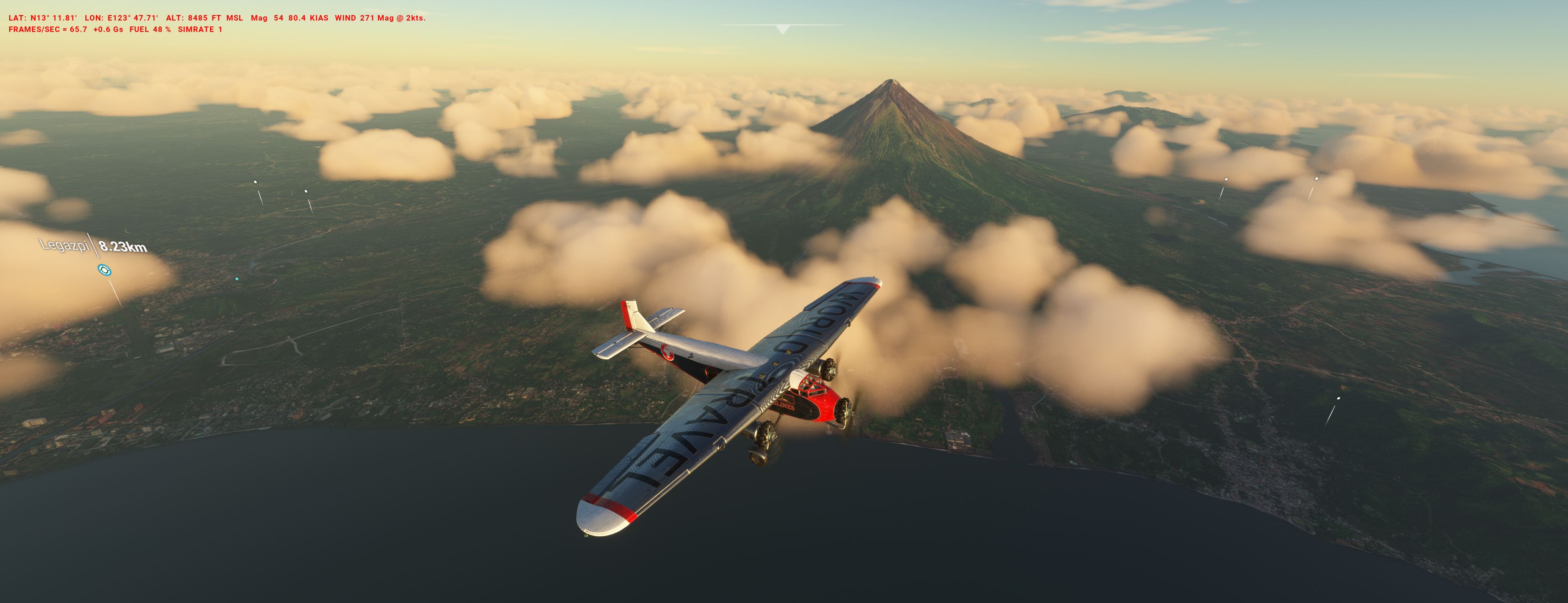
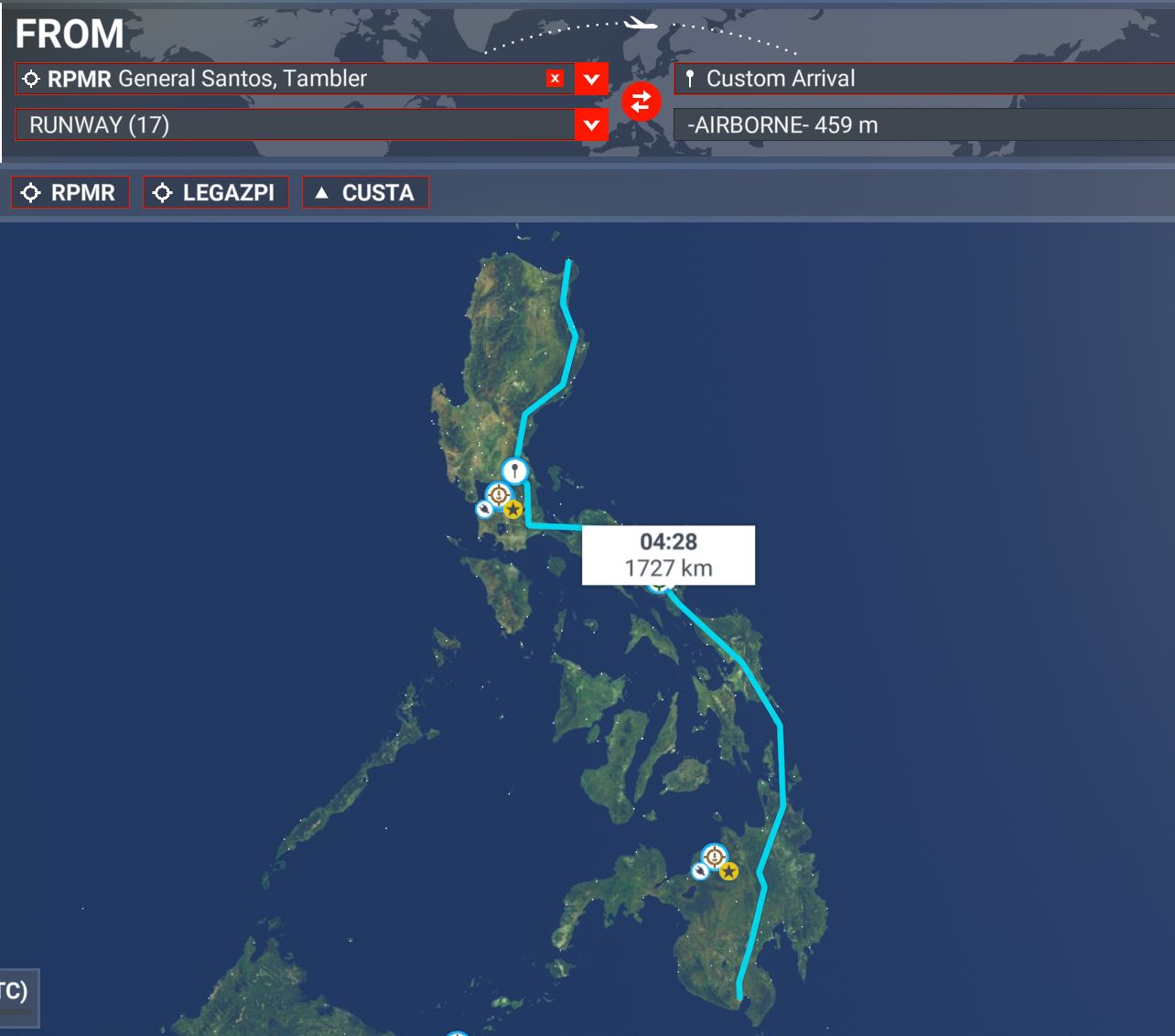
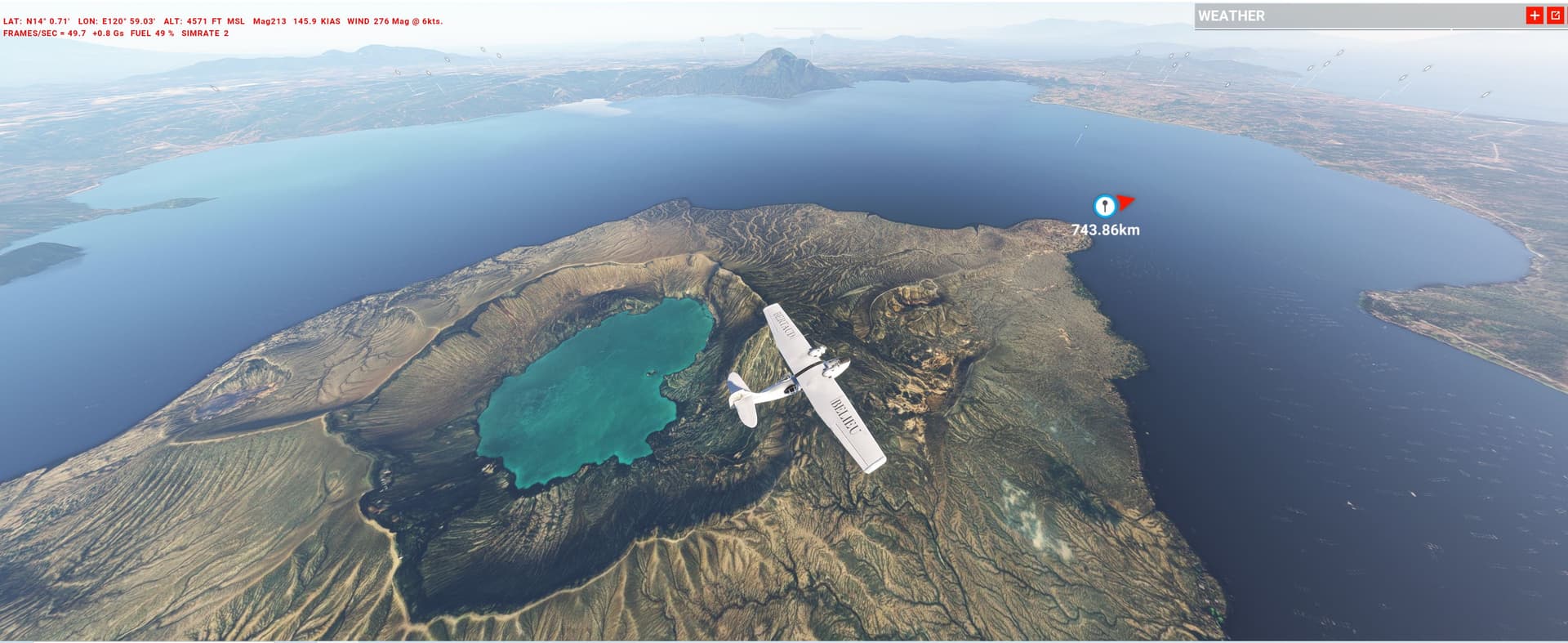
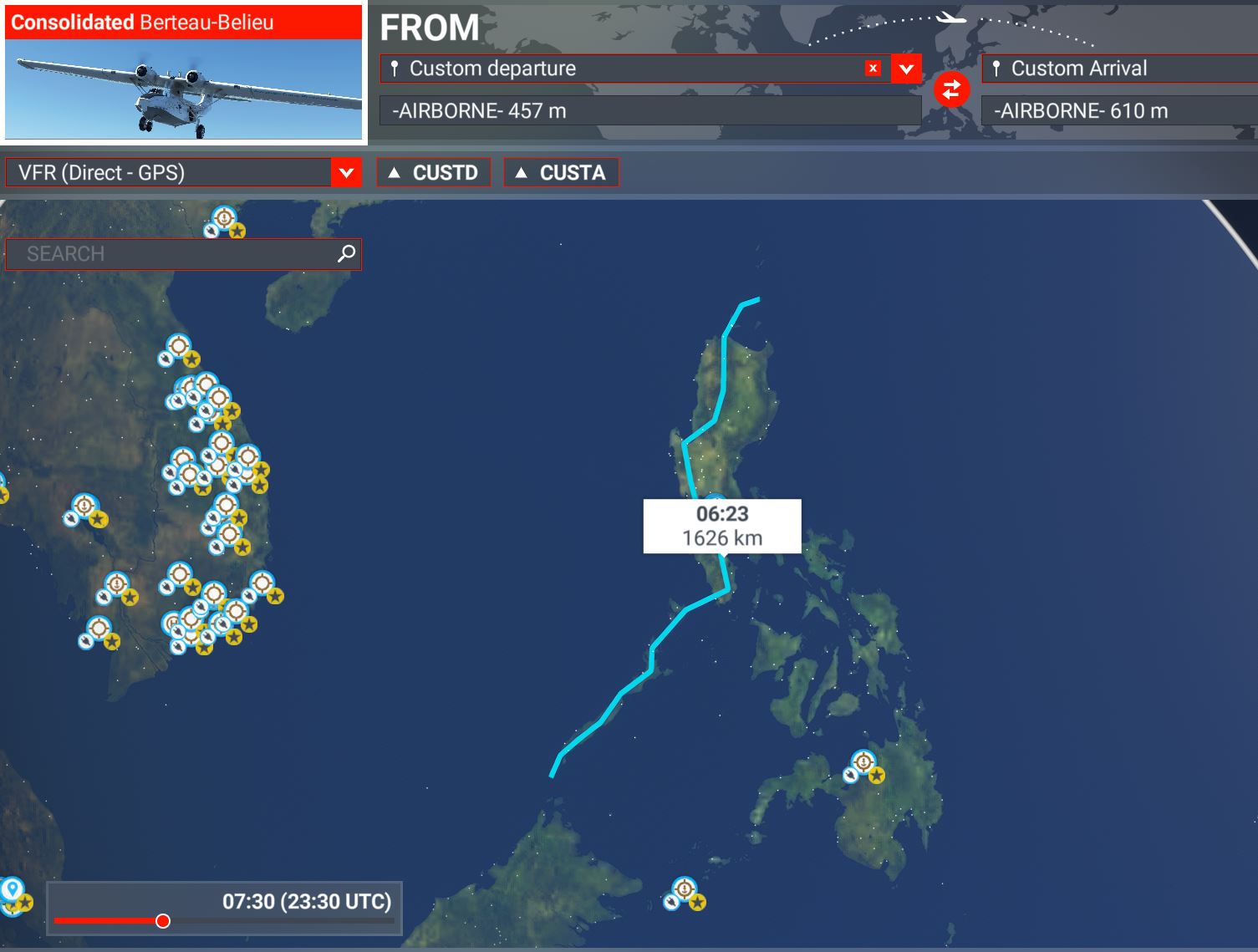
…the countries first real airline “Iloilo–Negros Air Express Co (INAEC)” was founded. It operated Stinson Trimotors (here Ford) and Sikorski S-43 amphibians (here Catalina) until the japanese invasion 1941.
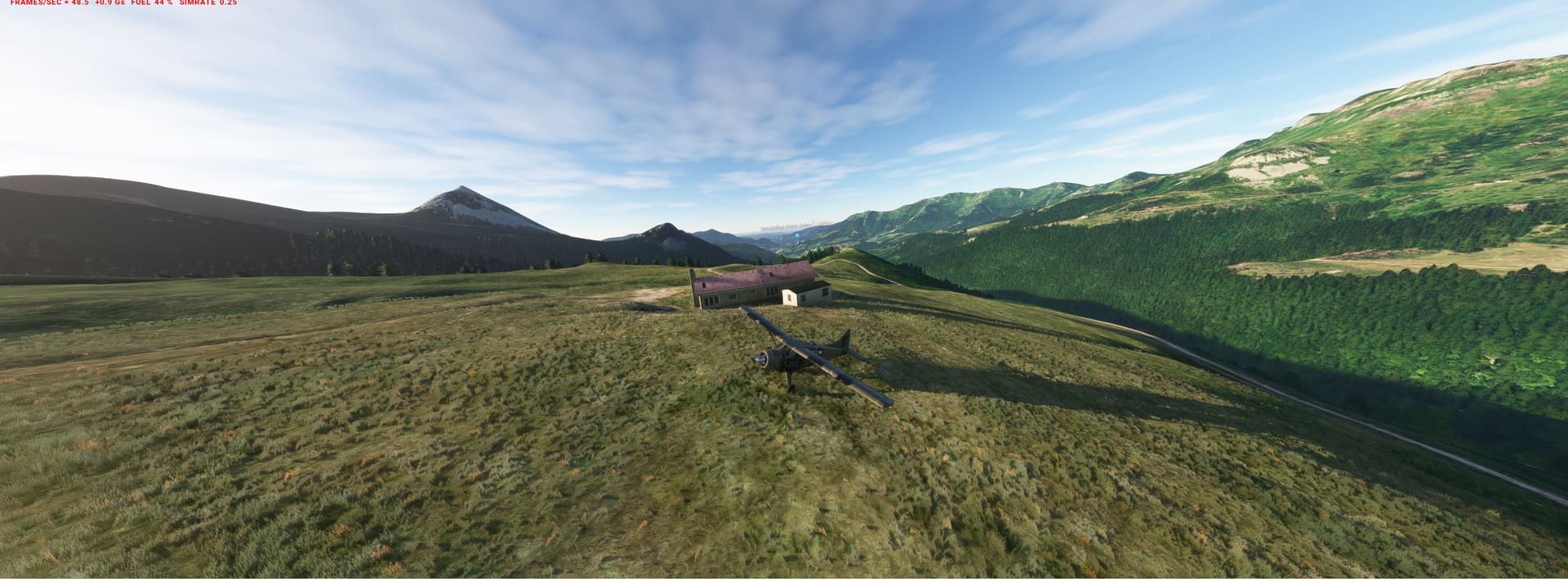
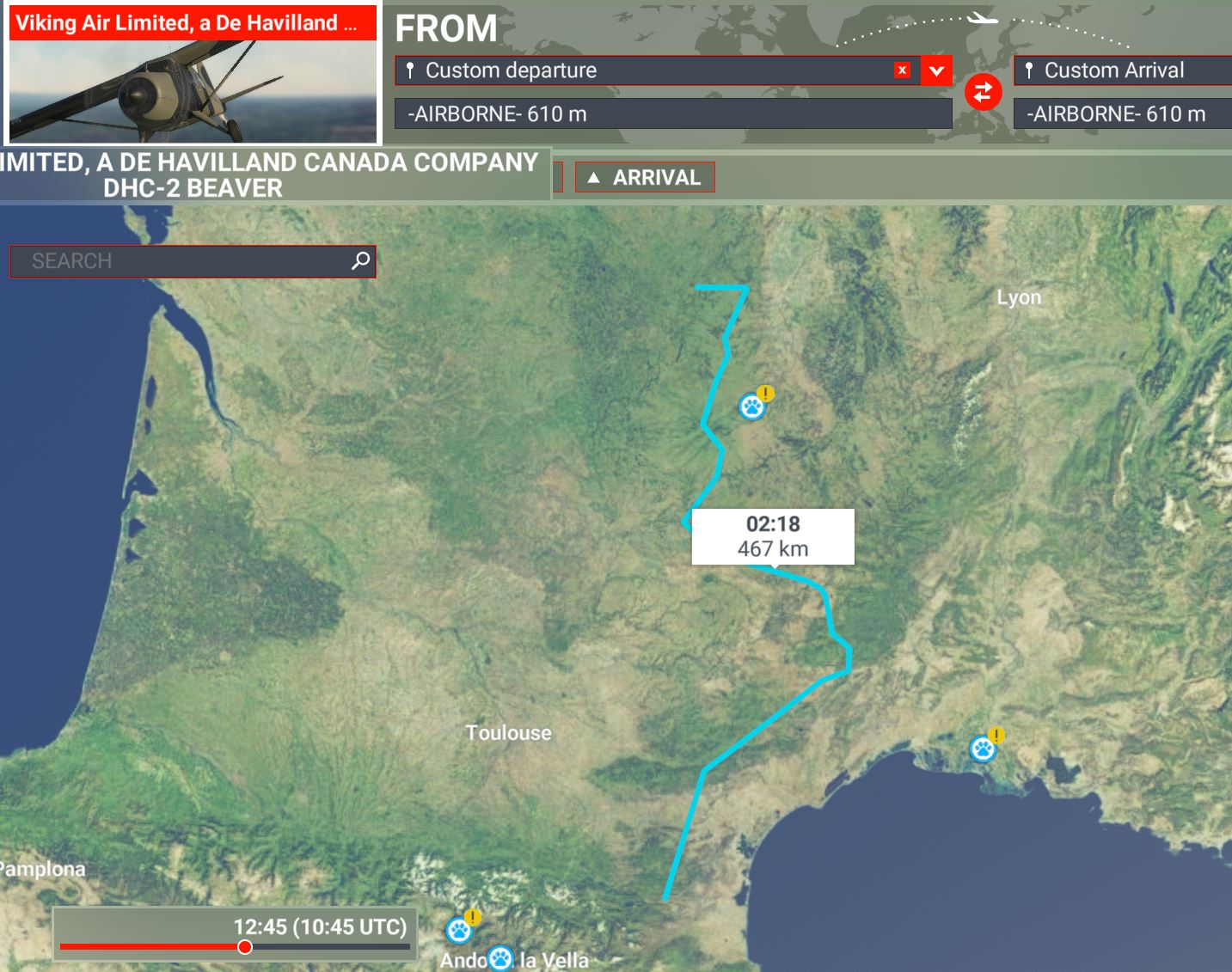
Since May 1940 France was divided in two: the north was Nazi-occupied, in the south reigned the collaborationist Vichy government.
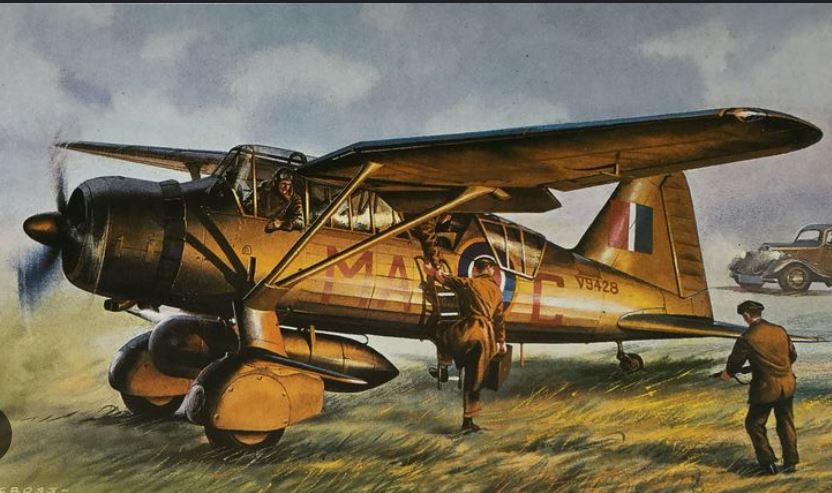
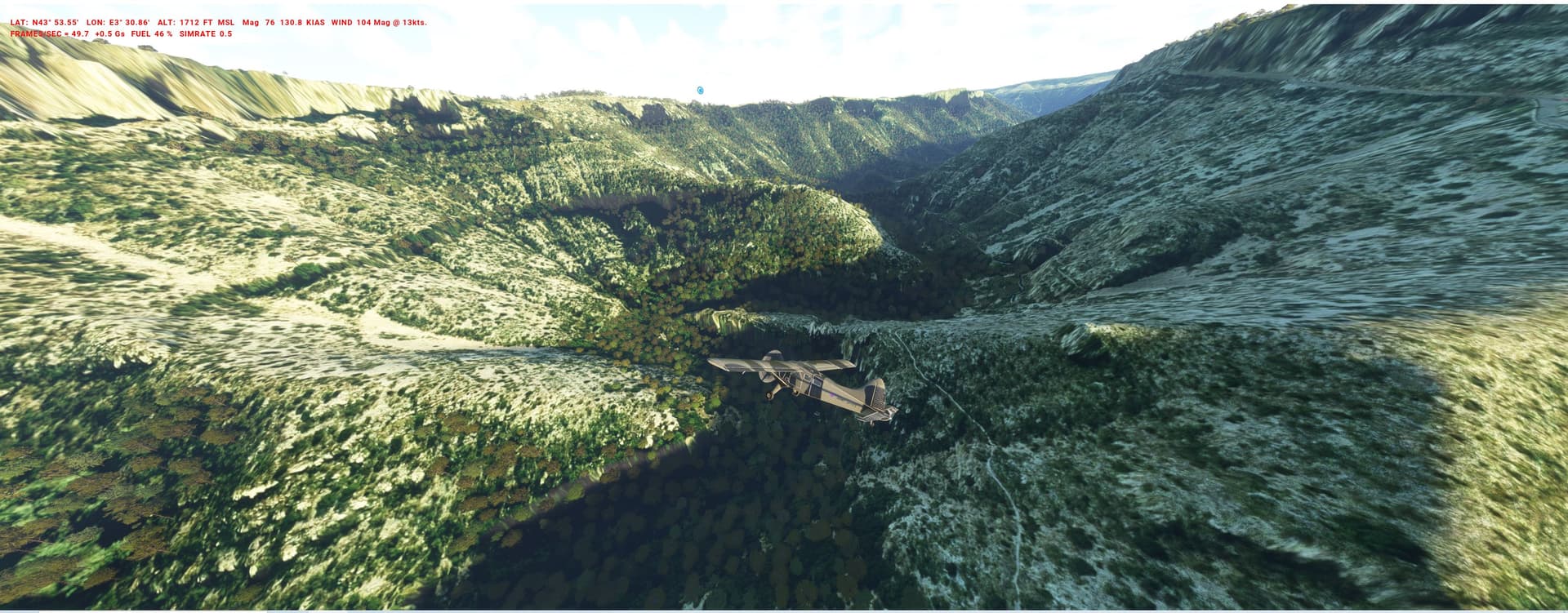
Westland Lysanders STOLs (here Beaver) from the British “Special Operations Executive” (SOE) were supporting the French Resistance (Maquis) from the UK, landing on secret places to drop/pickup agents, weapons & radios.
A box-art from a 50-year-old Airfix kit:
On Nov 9th 1942 you had been flying from the UK by night into LF70 Gelles - but engine problems delayed your return. Now you are surprised before dawn by “Operation Anton”:
the Germans and Italians are suddenly occupying all of France !
As the northern skies are patrolled by Messerschmidts your only escape is going south: hedgehopping to a clandestine SOE field in neutral Spain - from where you might reach Gibraltar or Malta (but that could be be another sim story…)
Pick up documents via some impromptu landings near distinctive mountains (WP = L!). Always ahead of the invading Panzers and avoiding Italian fighters coming from the east. Use contour-flying in river valleys as much as possible.
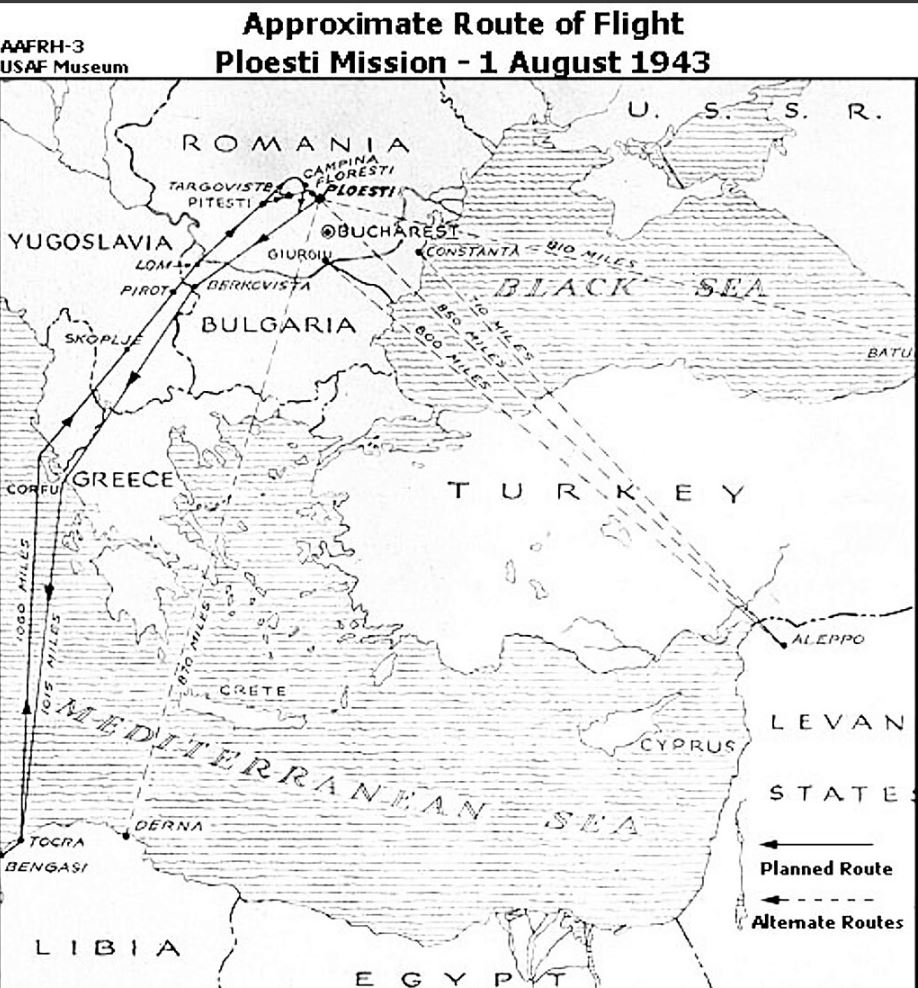
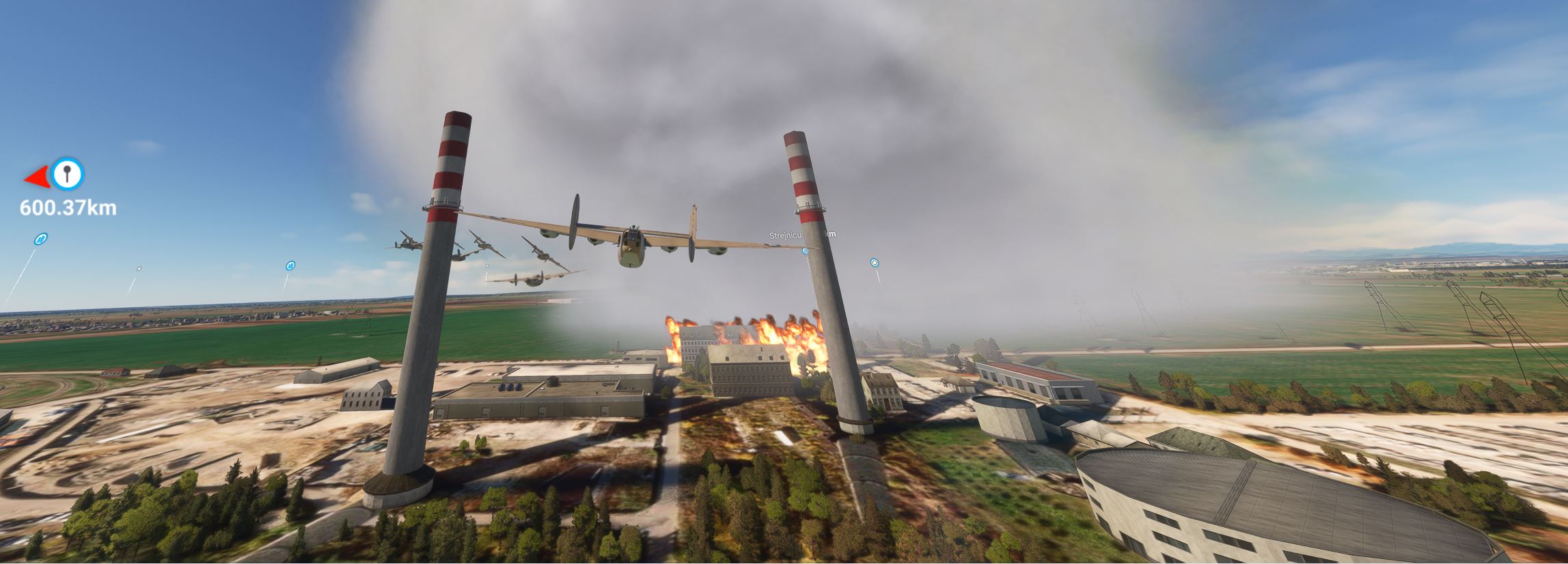
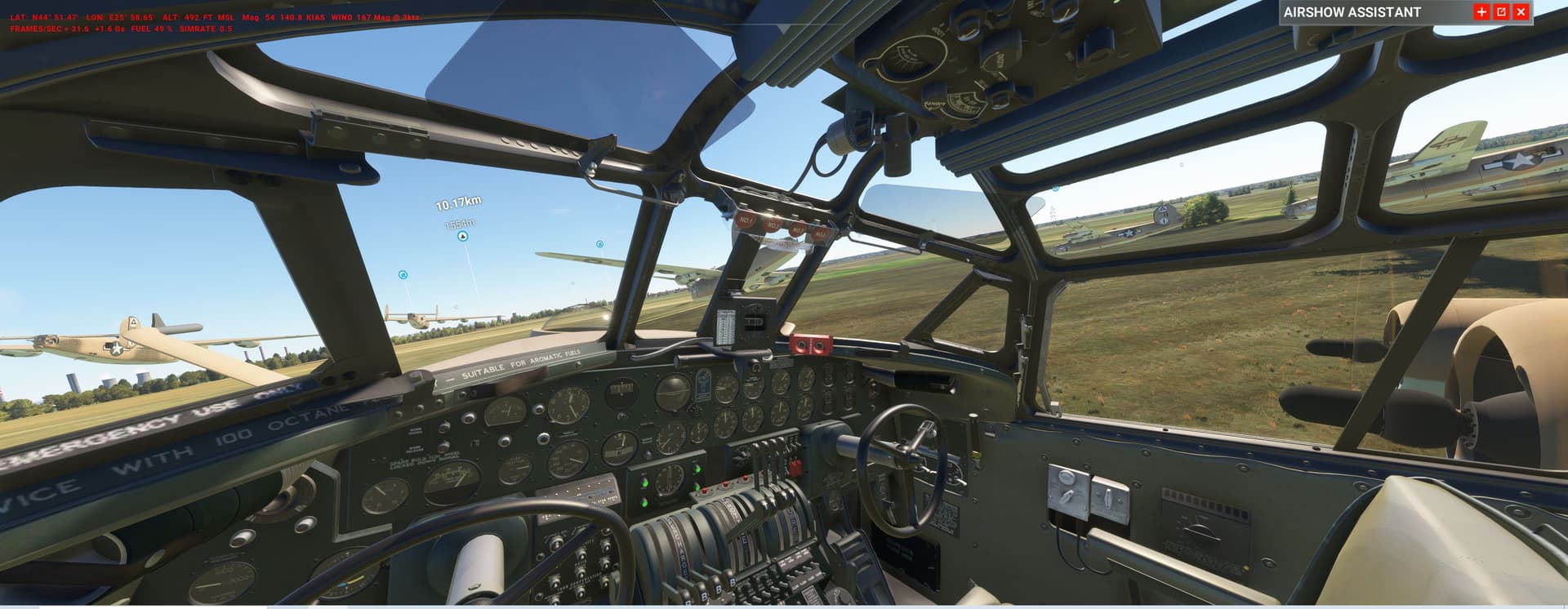
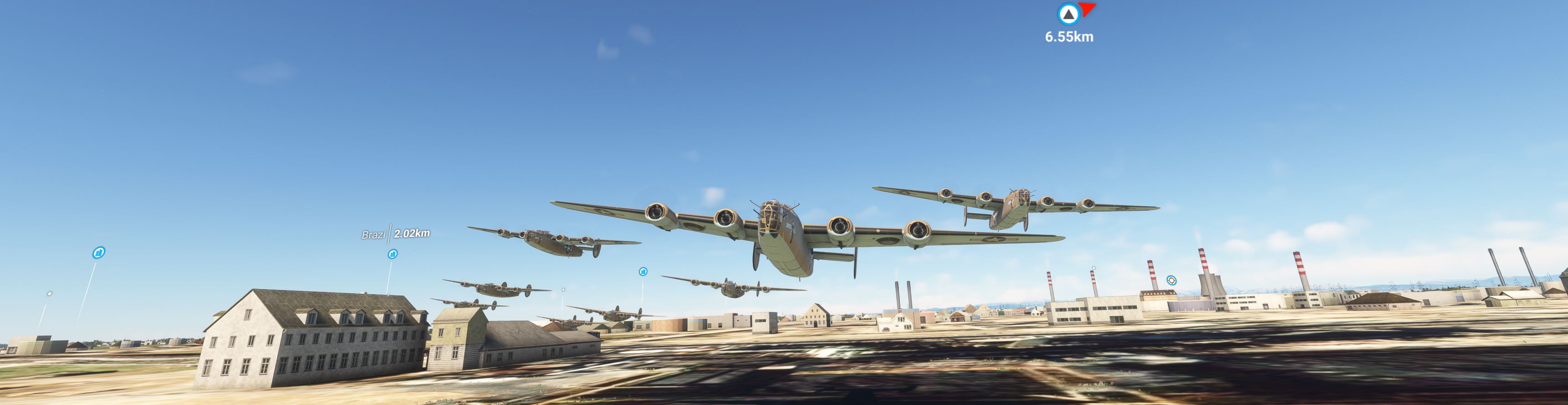
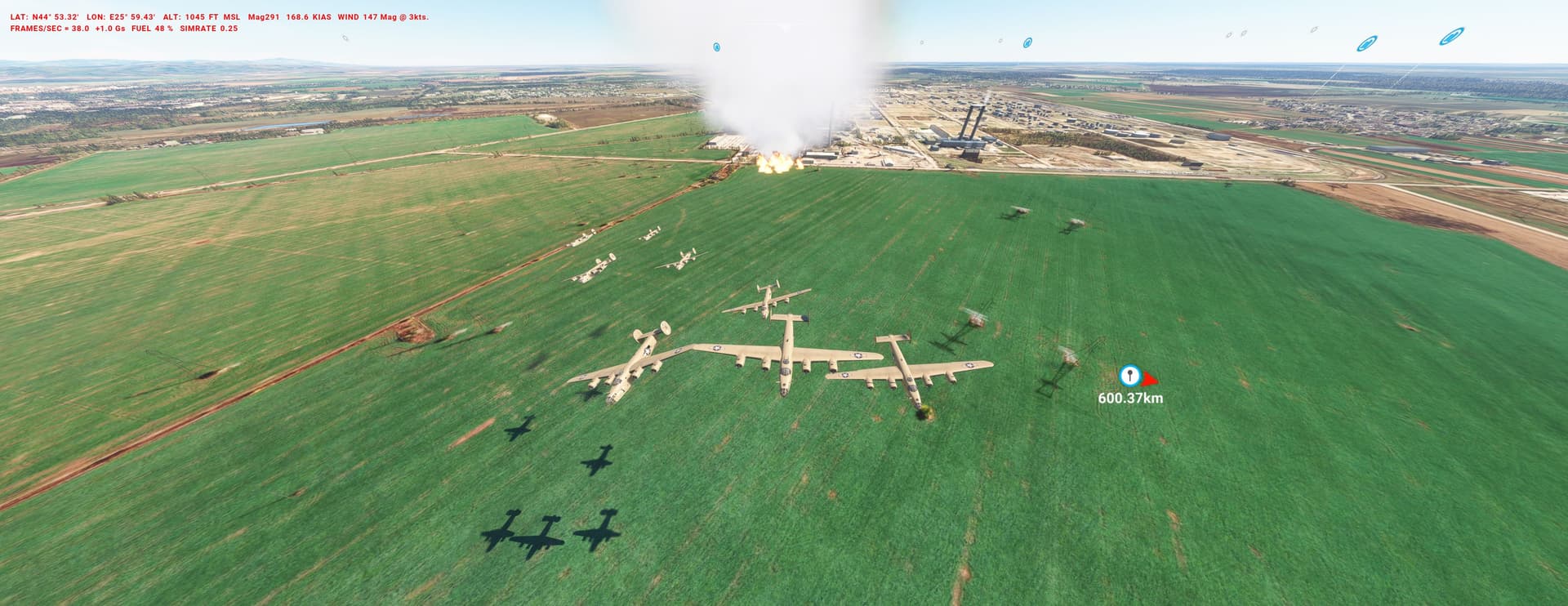
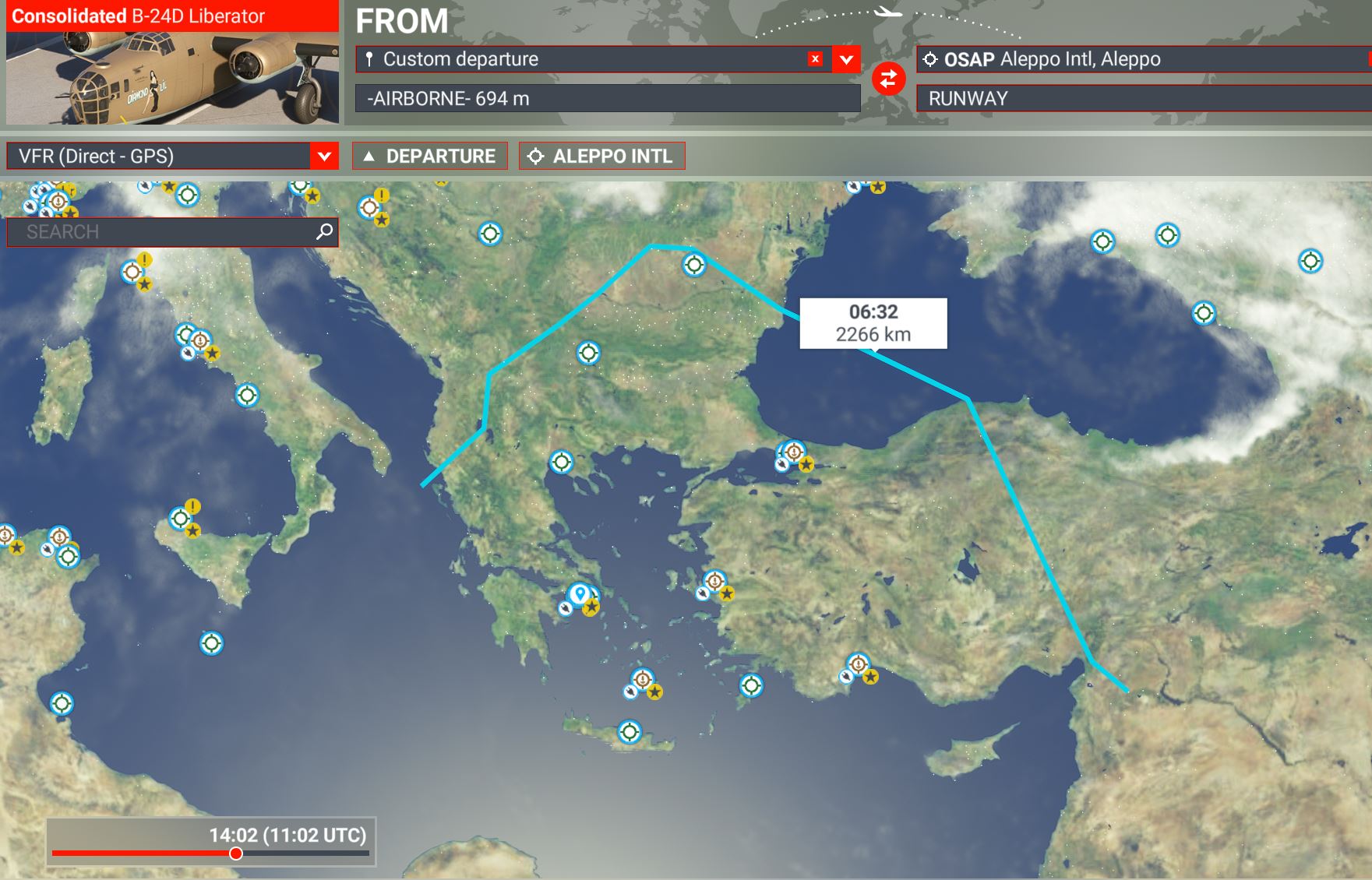
They had to climb over the Balkan mountains and then descended to treetop level after the Danube. Target was attacked from all sides at less than 50ft, some B-24 crashing into smokestacks…
After 14 hours only 88 returned .Several damaged Libs were interned in neutral Turkey or made it to allied Cyprus or Syria. We will re-hash the latter (to make PLN more interesting), after having started over the Med near the greek island of Korfu.
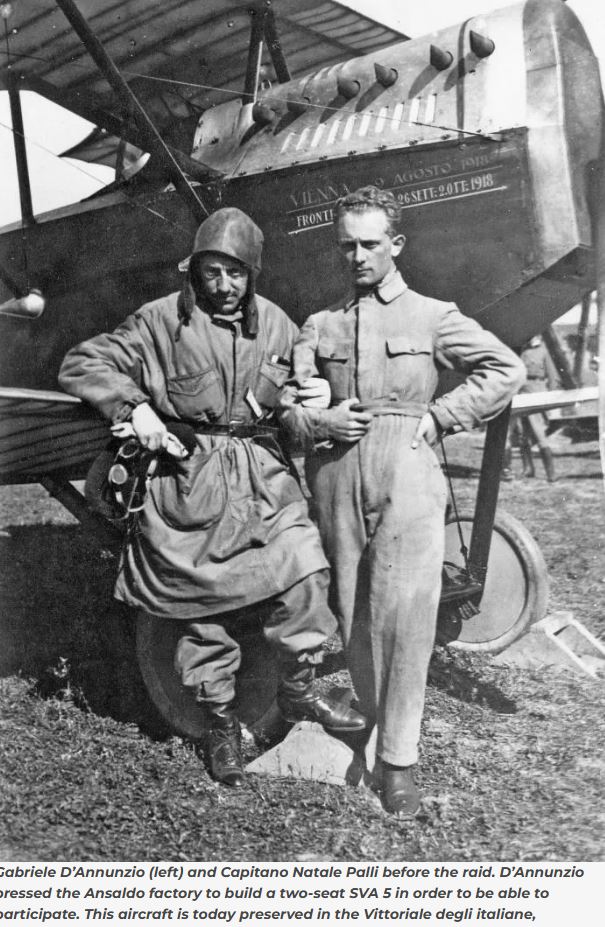
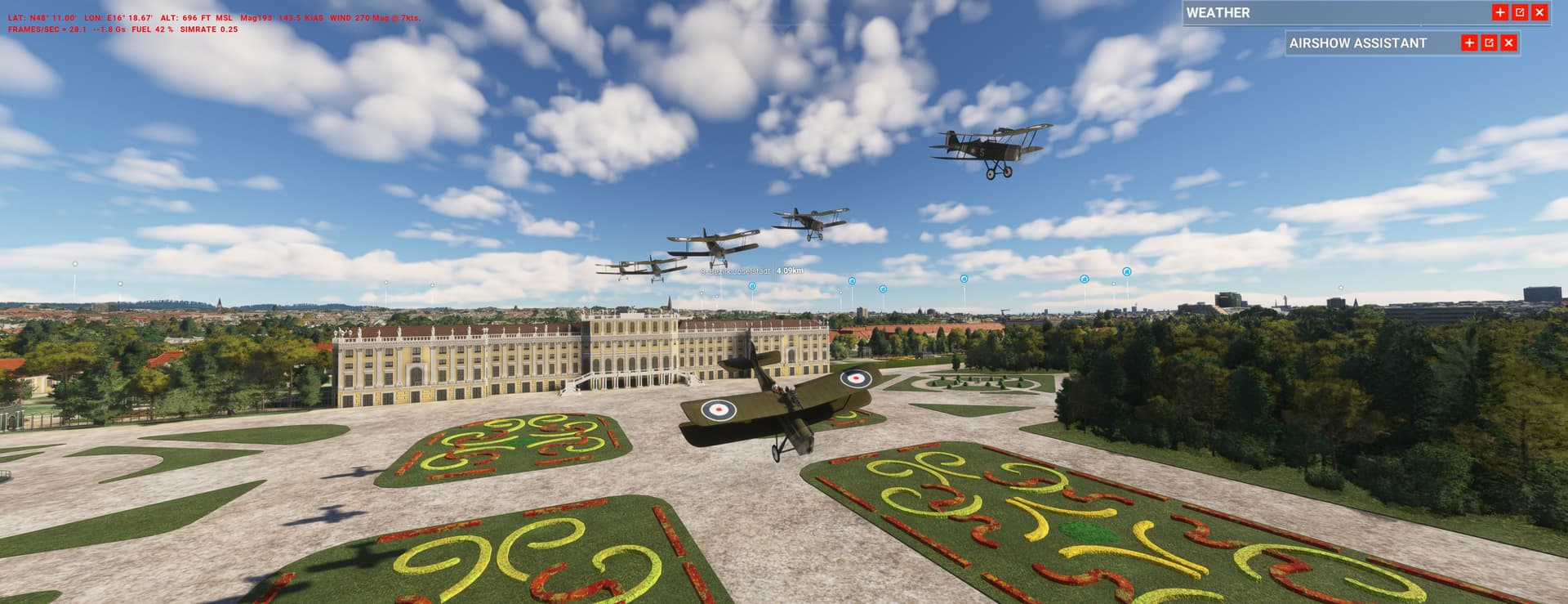
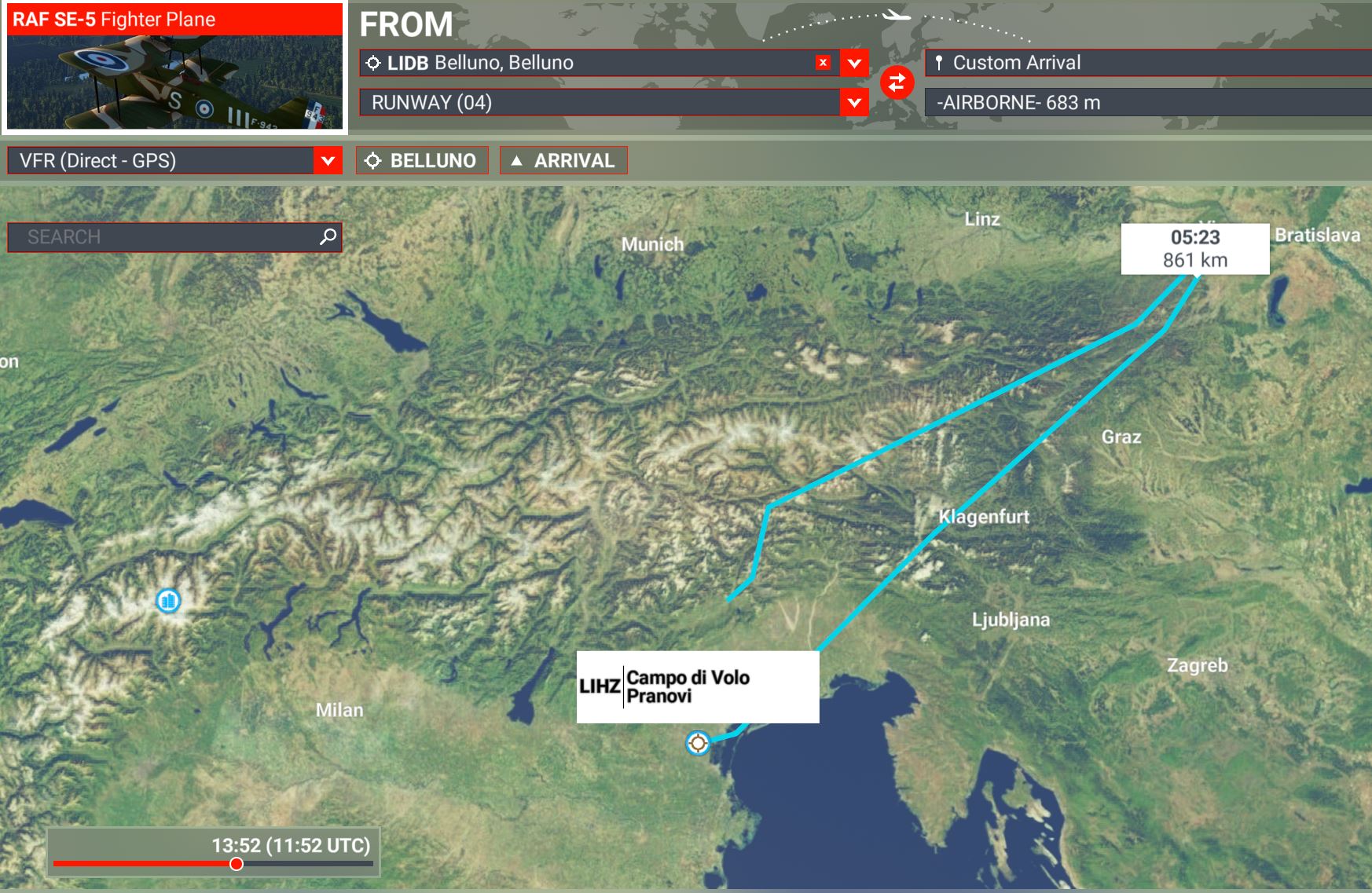
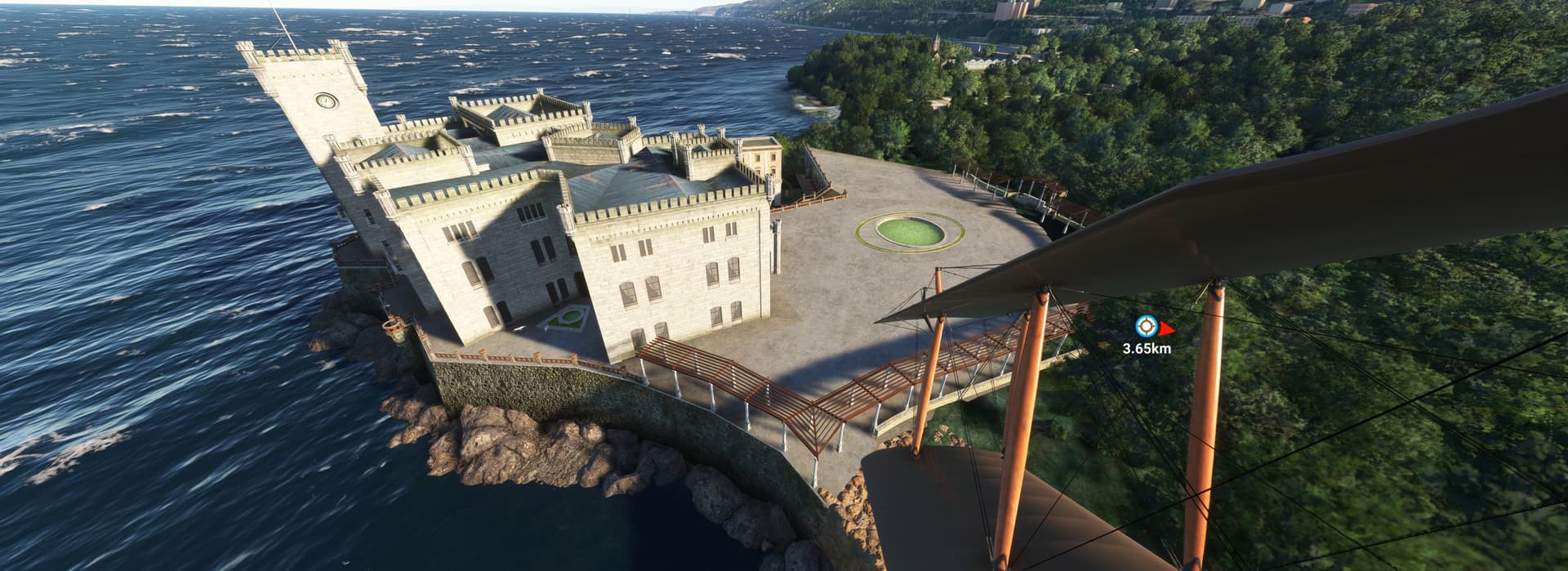
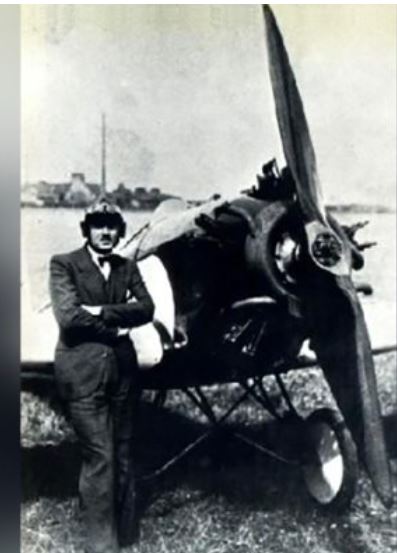
A. On Aug 9th 1918 he led a squadron of 11 Ansaldo S.V.A. biplanes (here SE.5) over the Alps to the enemy capital Vienna, releasing in broad daylight 400.000 propaganda leaflets over the center. An early PsyWar masterstroke, which he celebrated with a low level stunt on the return flight along Venice’s Canale Grande.
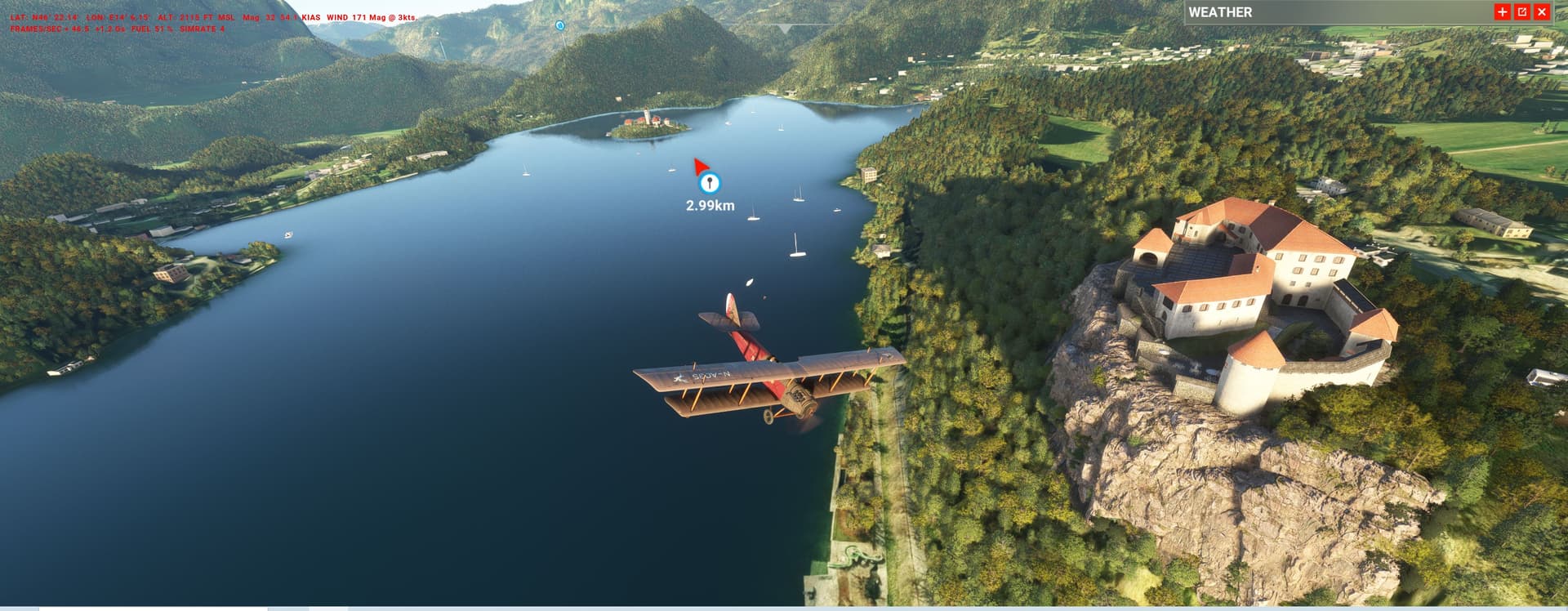
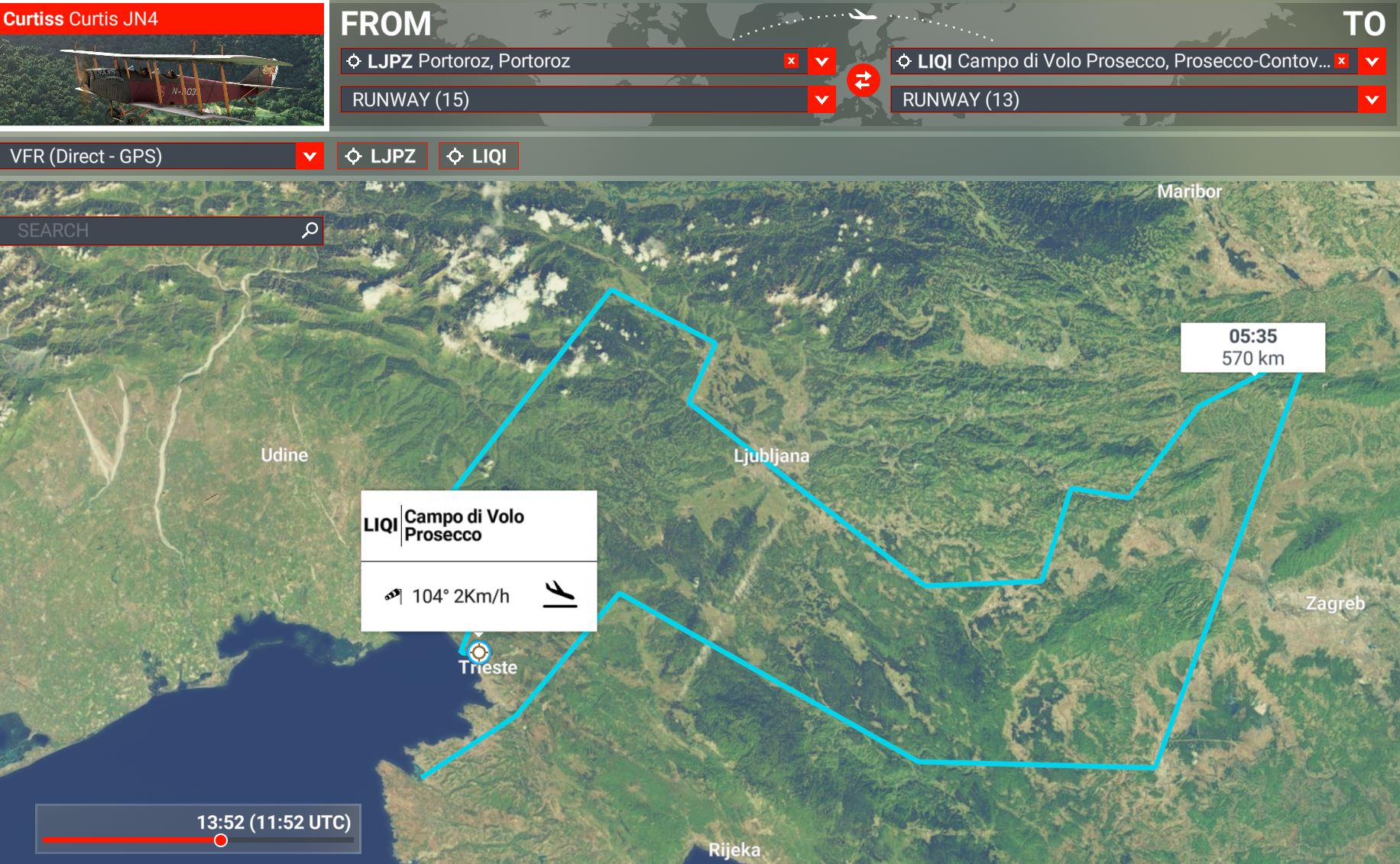
B. Just before the end of the war he flew again deep into Austrian territory (today Slowenia). Looking for castles - because he assumed that high-ranking officers and nobility quartered there. Again dropping leaflets - with a demand note to capitulate.
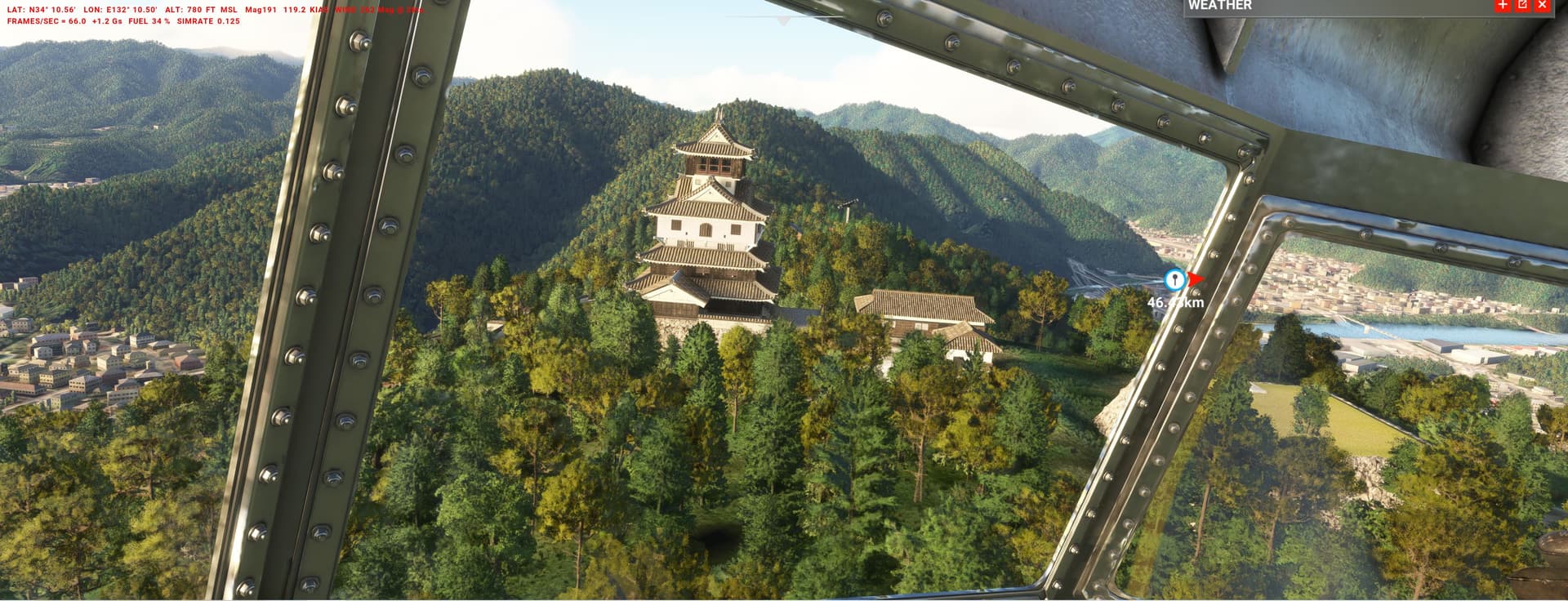
For us its an excuse to fly slow over a picturesque landscape and 17 handcrafted castles.
He used a Caproni bomber (close to the the MPs Farman Goliath…) and started near Padua - but here we omit the over-water stretch over the Adria.
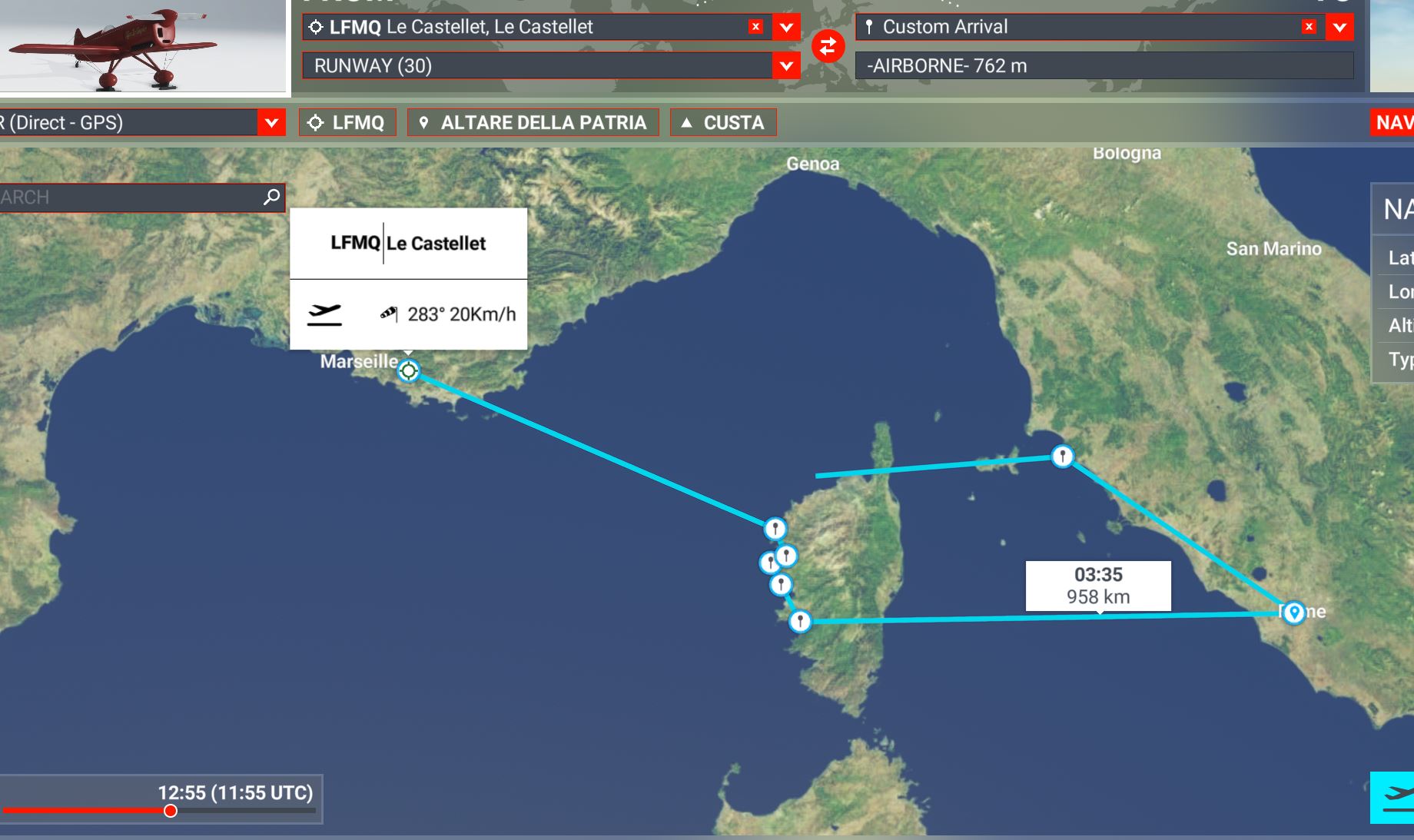
In the early afternoon of October 3rd 1931, he started in Marseille heading for Rome via Corsica. Arriving over the capital at dusk he dropped anti-fascist leaflets for half an hour. Then flew back into the darkness, never to be seen again…
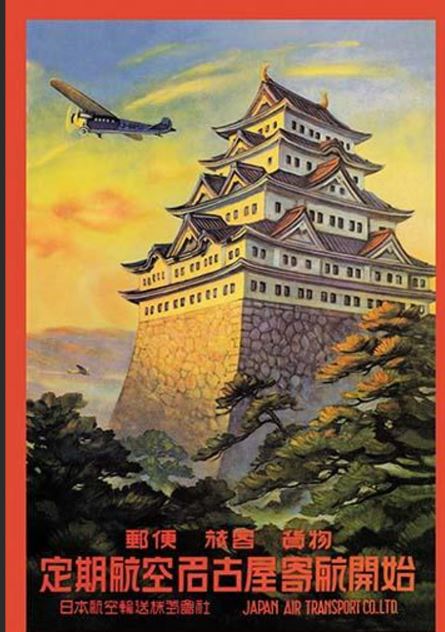
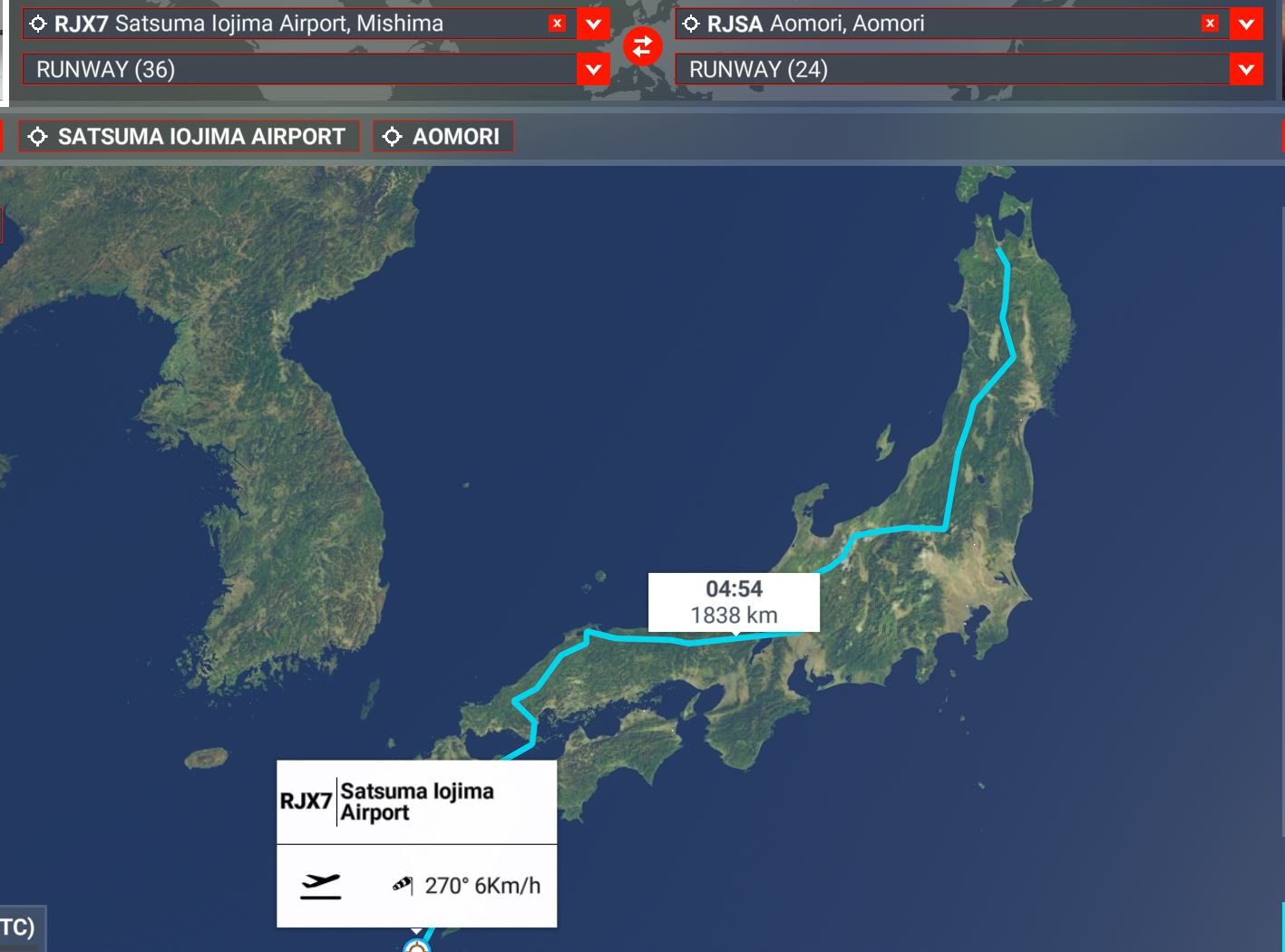
Commercial aviation began in Japan in 1922 on a limited scale but JAT was the first national flag carrier. In the beginnings it used Fokkers and later DC-2s.
1938 the government established a new airline, Imperial Japanese Airways, as a monopoly for all civil aviation and JAT was merged into the new company.
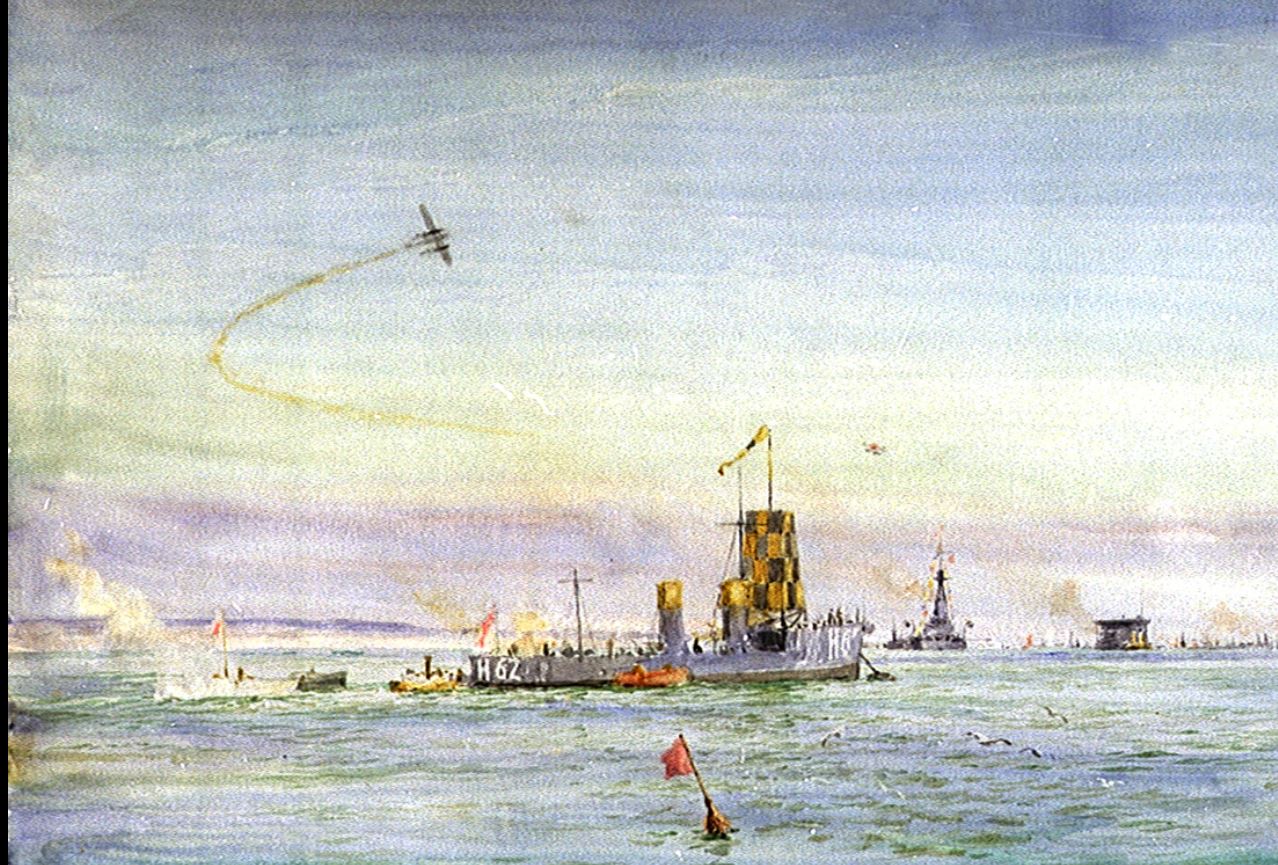
In the 1920/30s air racing was insanely popular and used to promote tourism.
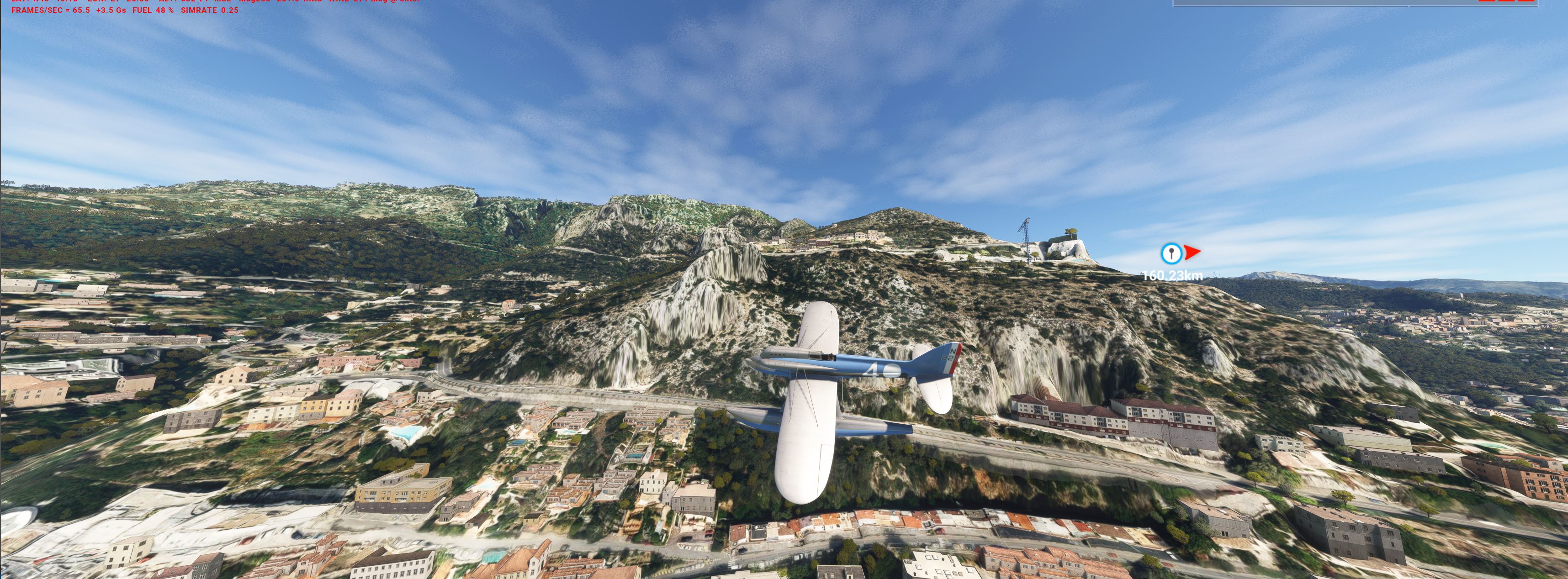
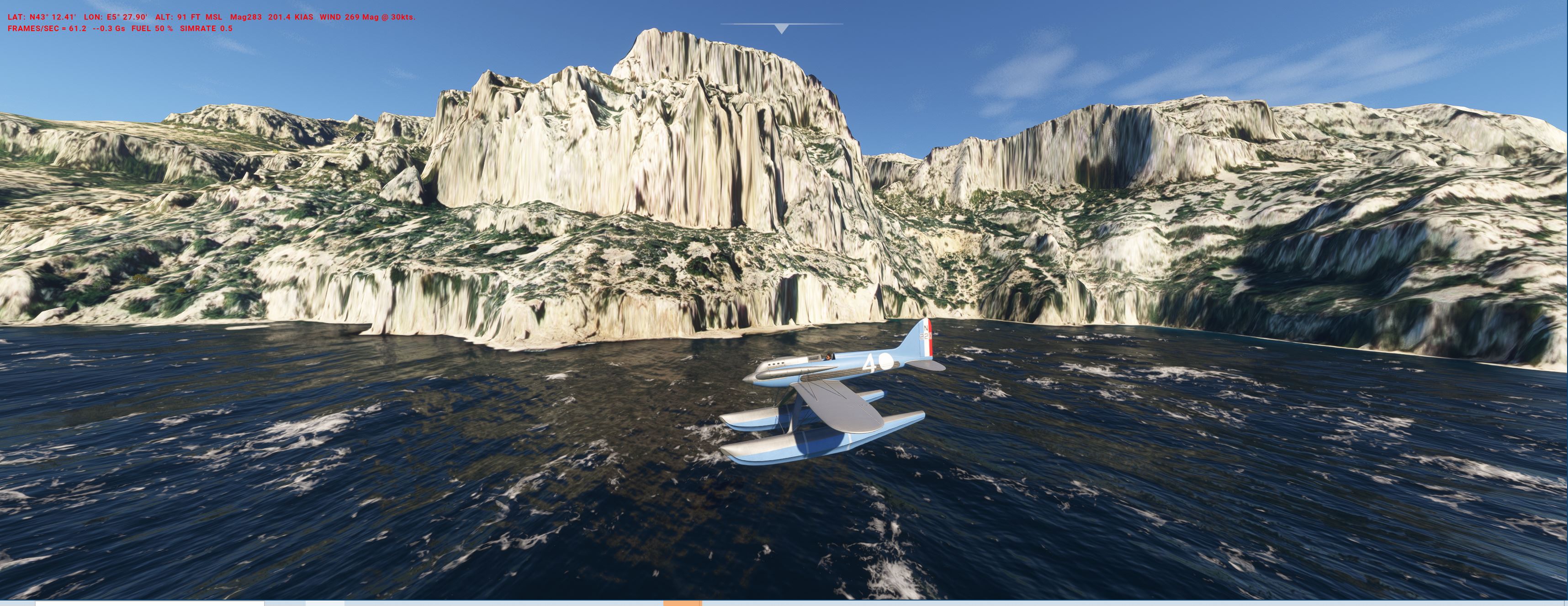
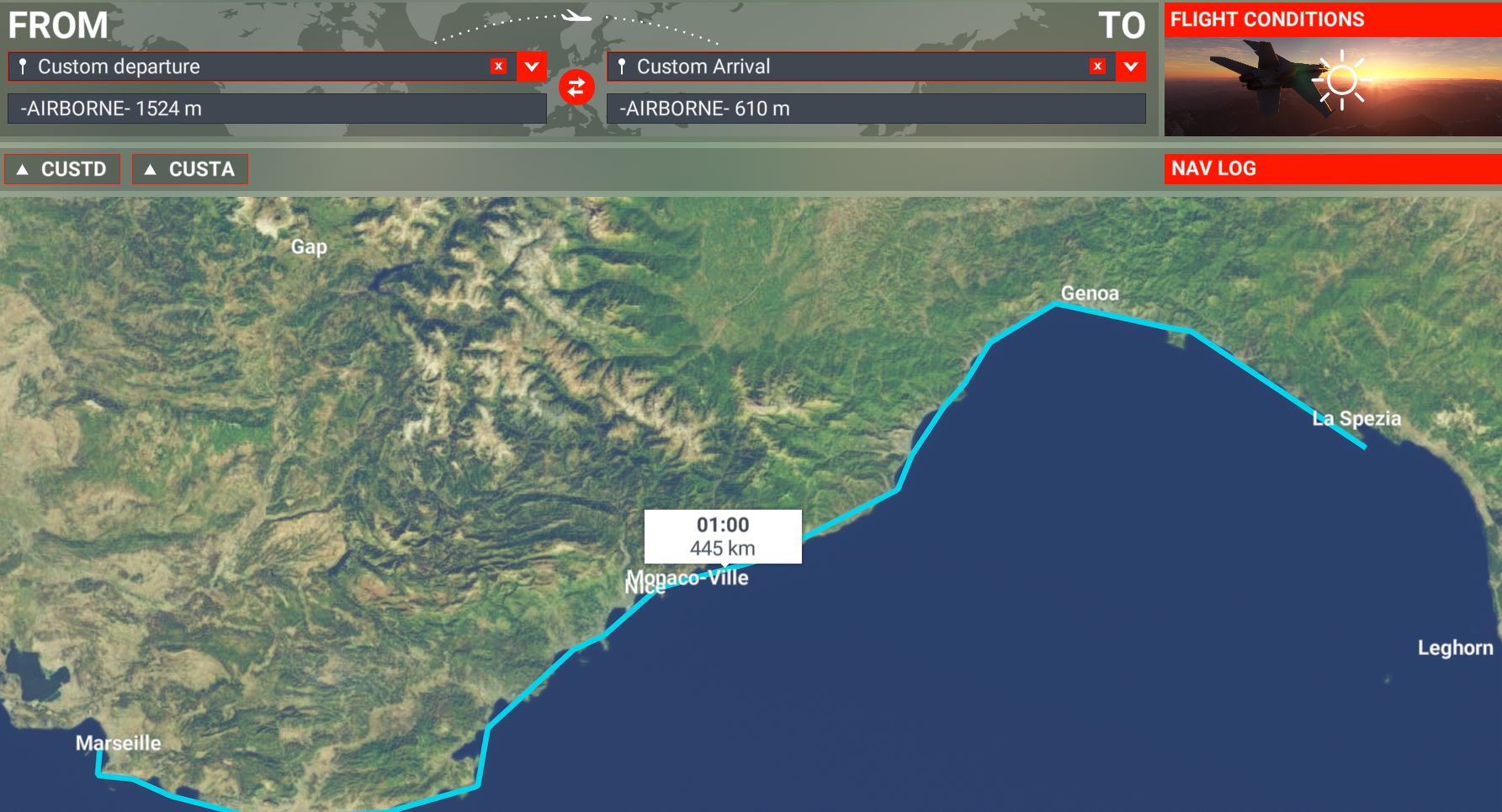
Here we create a fictional long seaplane run along the Ligurian and Cote D’Azure coast.
The little Klemm - a tribute:
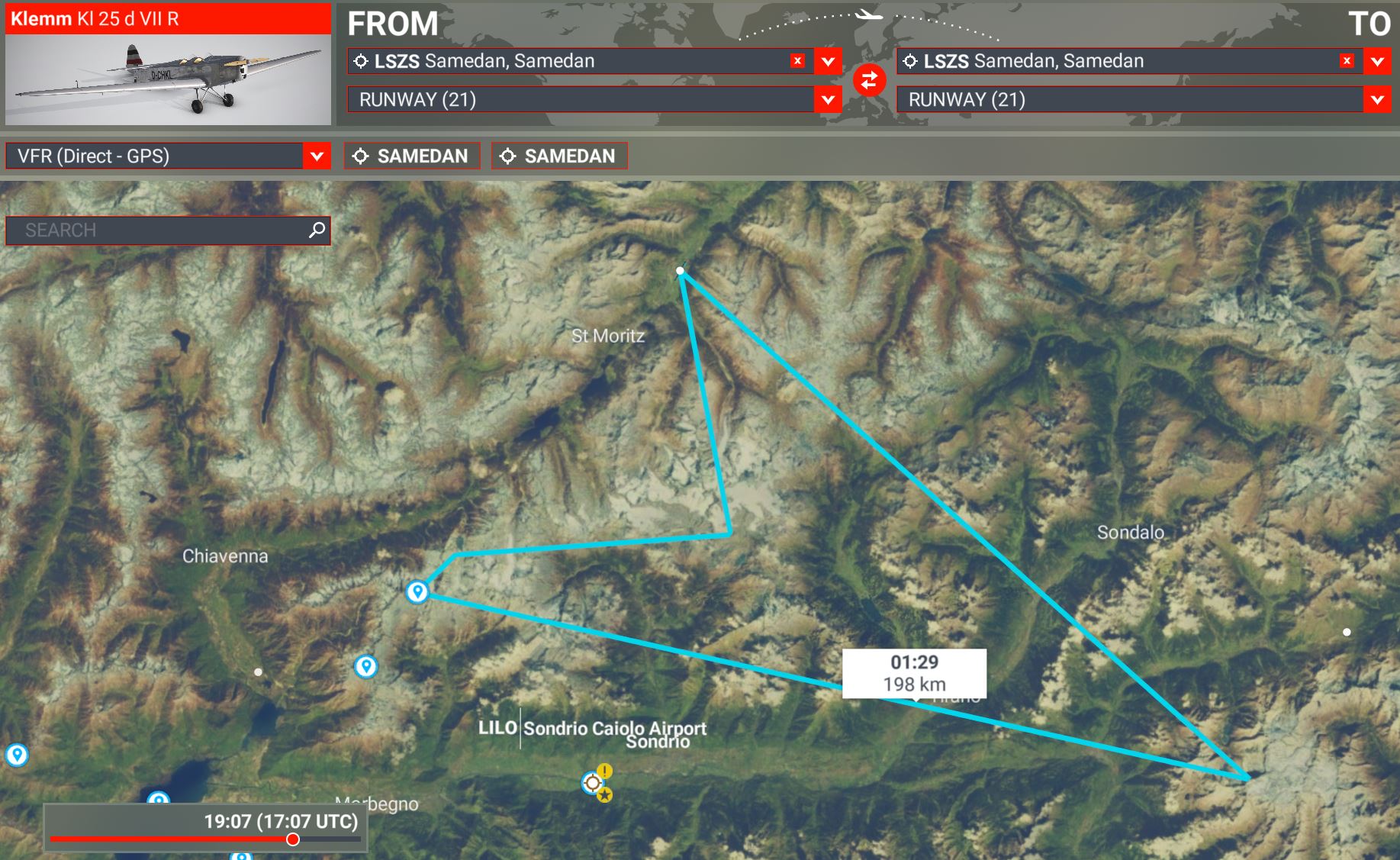
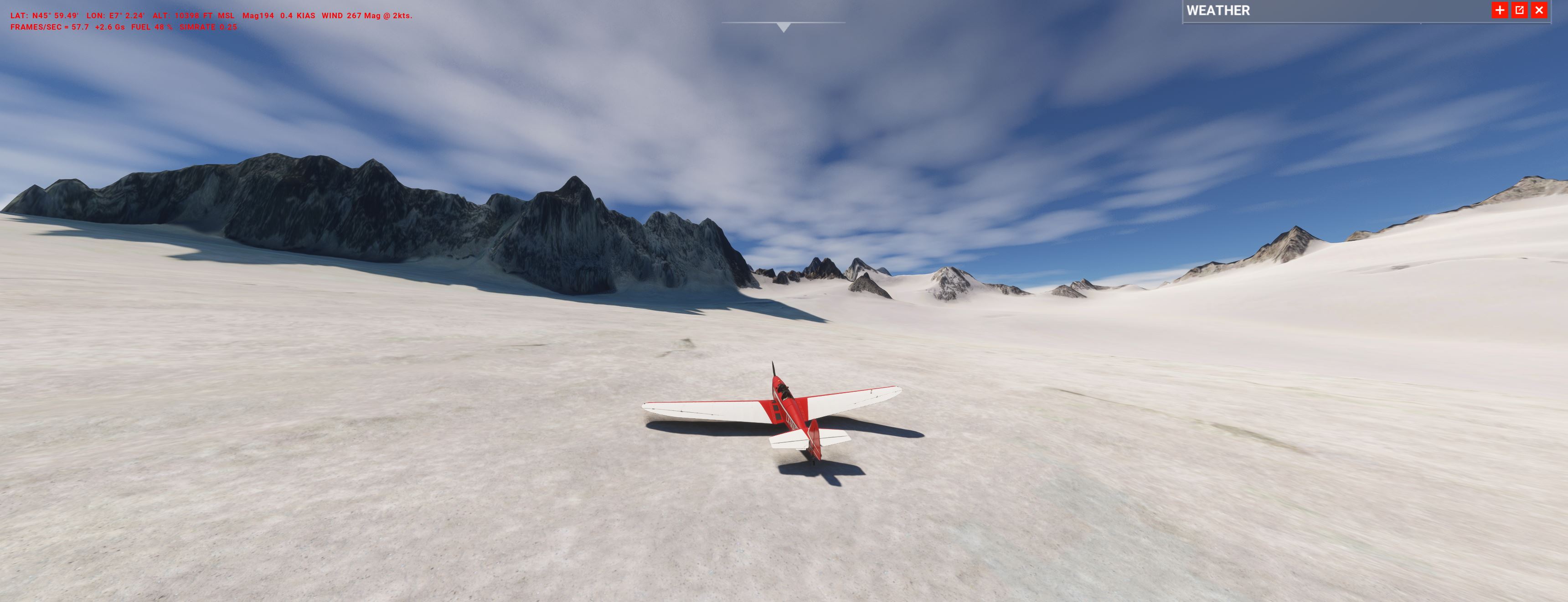
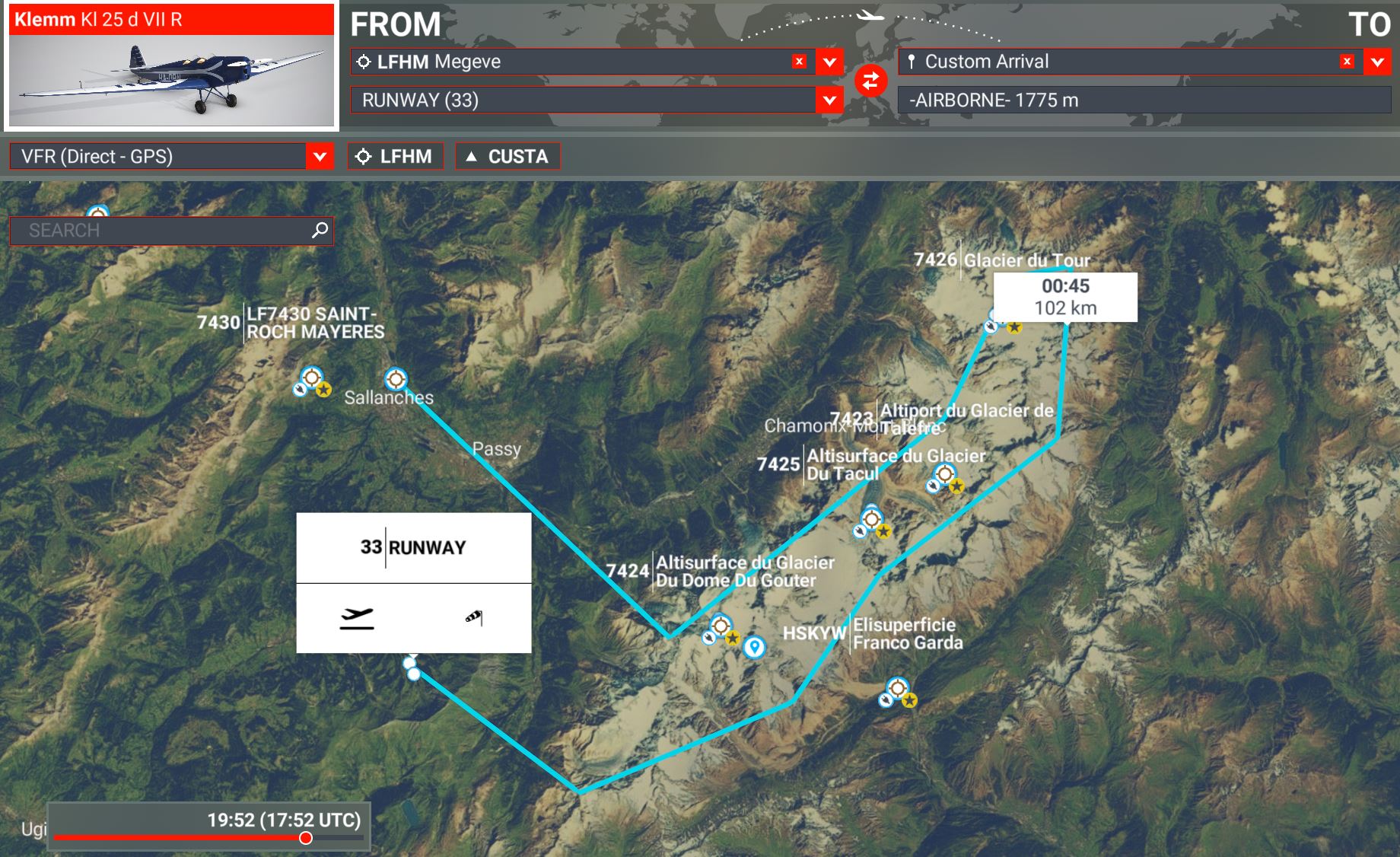
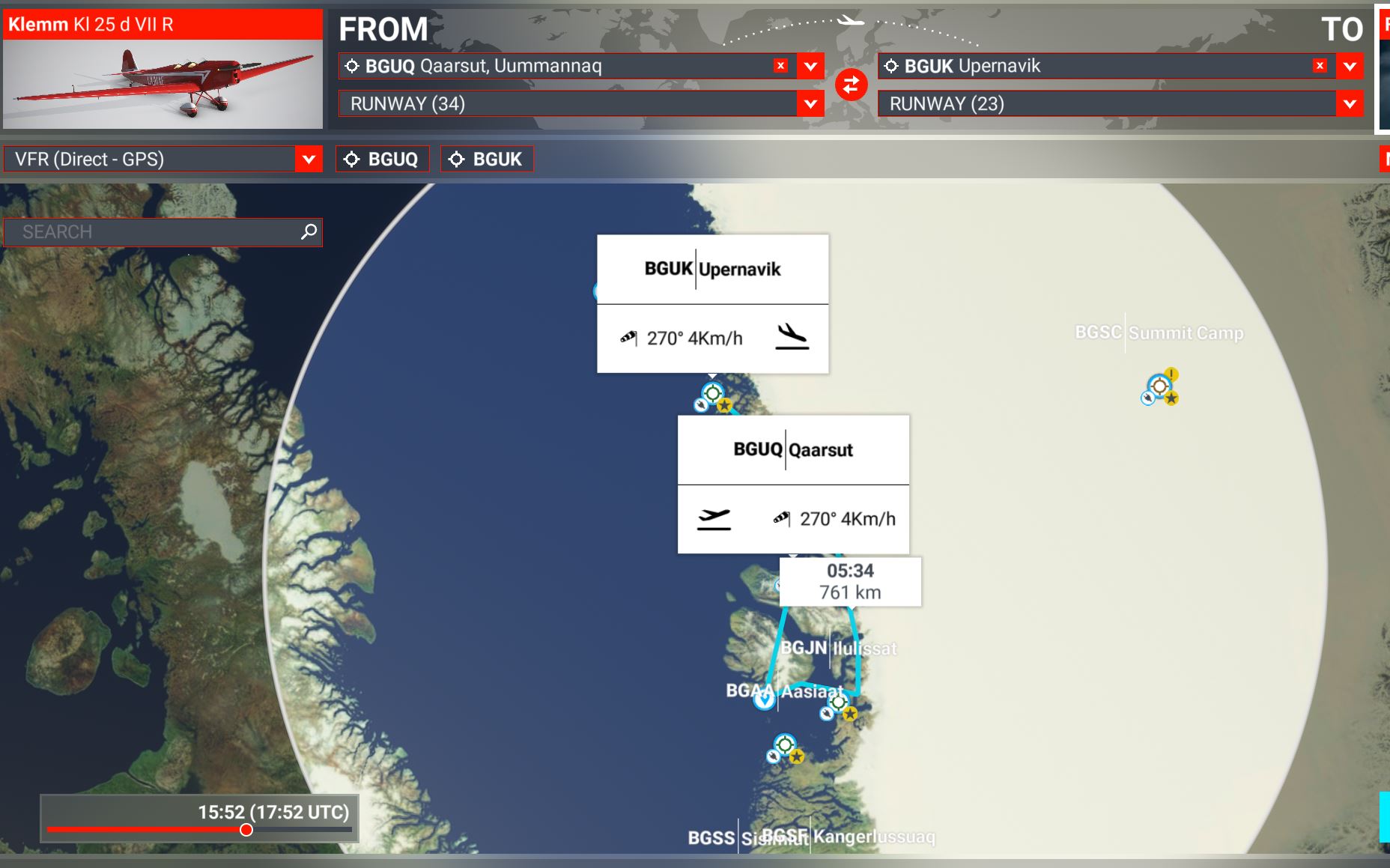
this is the first of a series of flights with the Klemm 25, a real gem in the marketplace.
In the 1920/30s the german director Arnold Fanck was using it in a number of films (all on YT), together with WW1 fighter ace pilot E. Udet and infamous actress L.Riefenstal
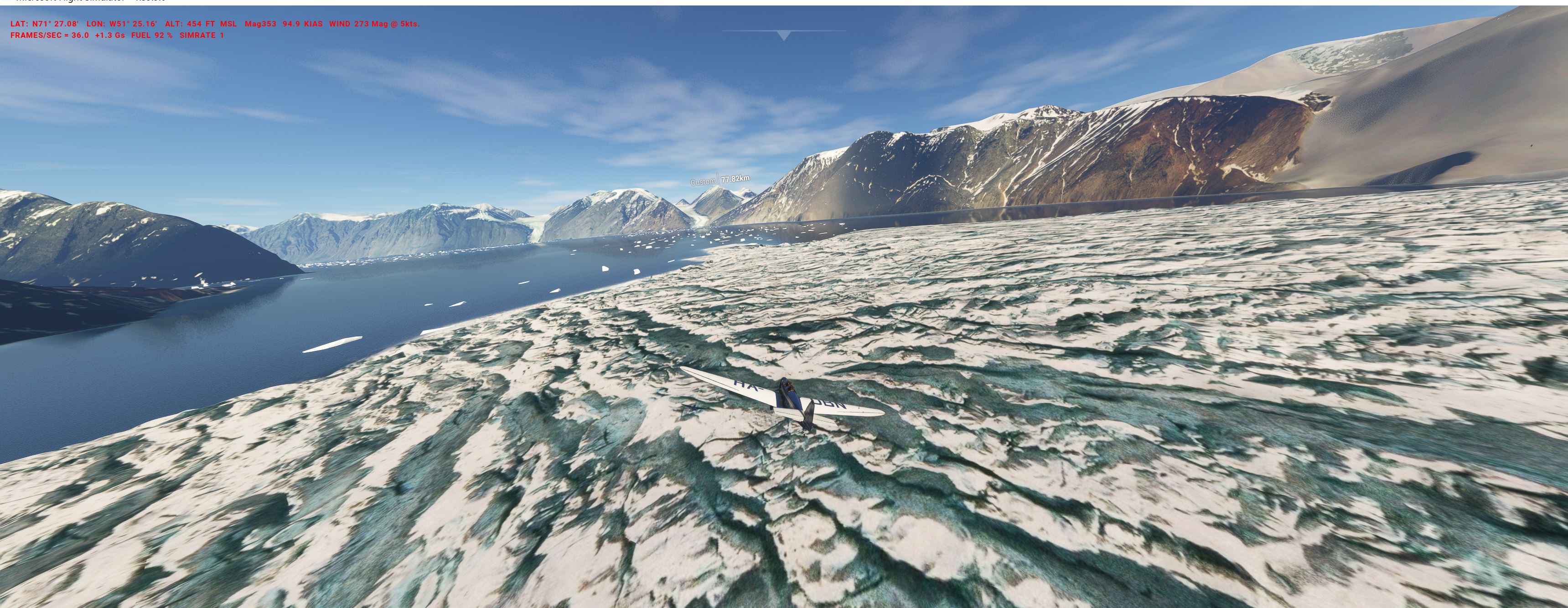
and now to something different - we stay in the Arctic:
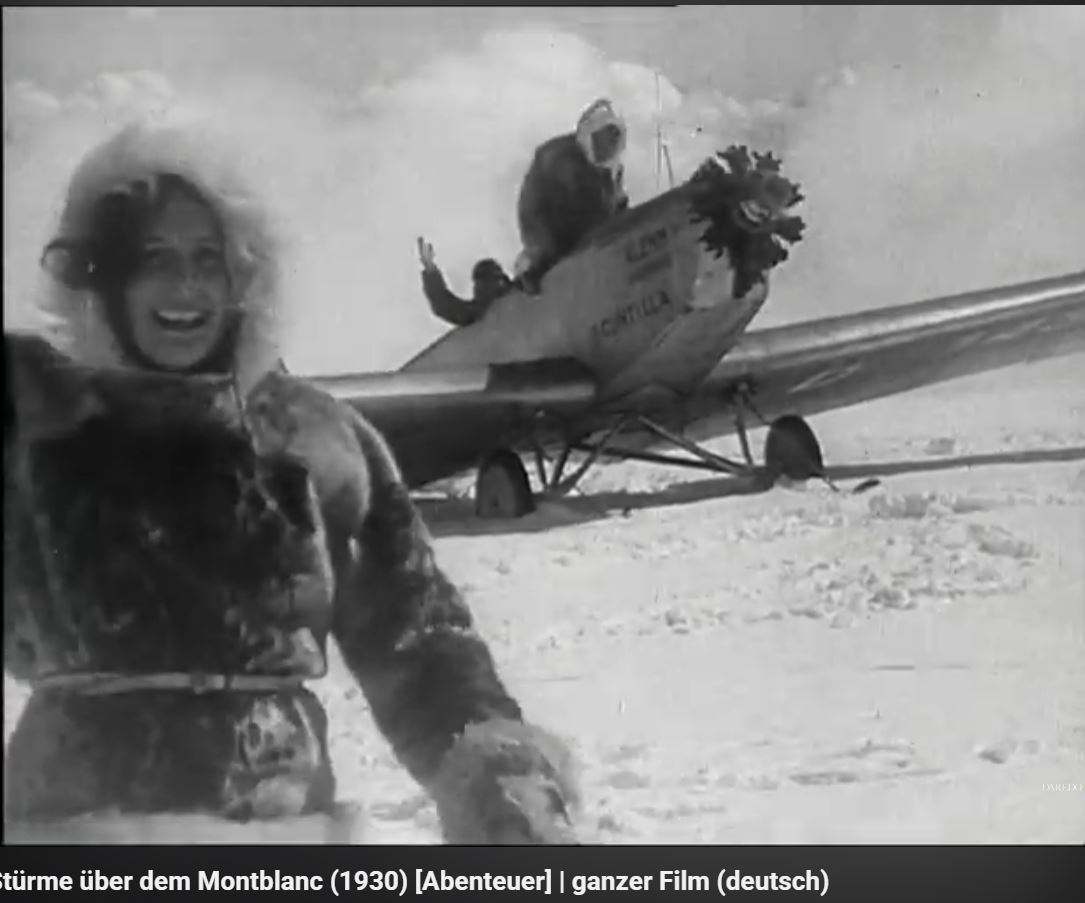
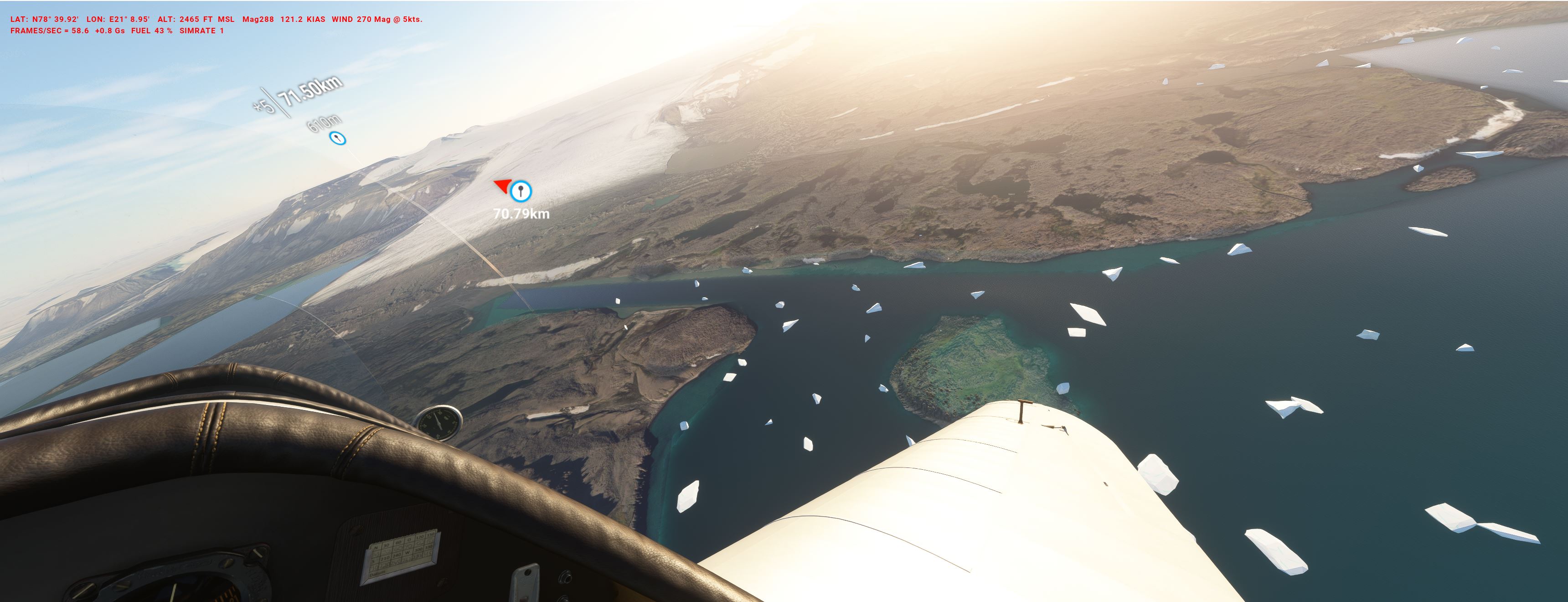
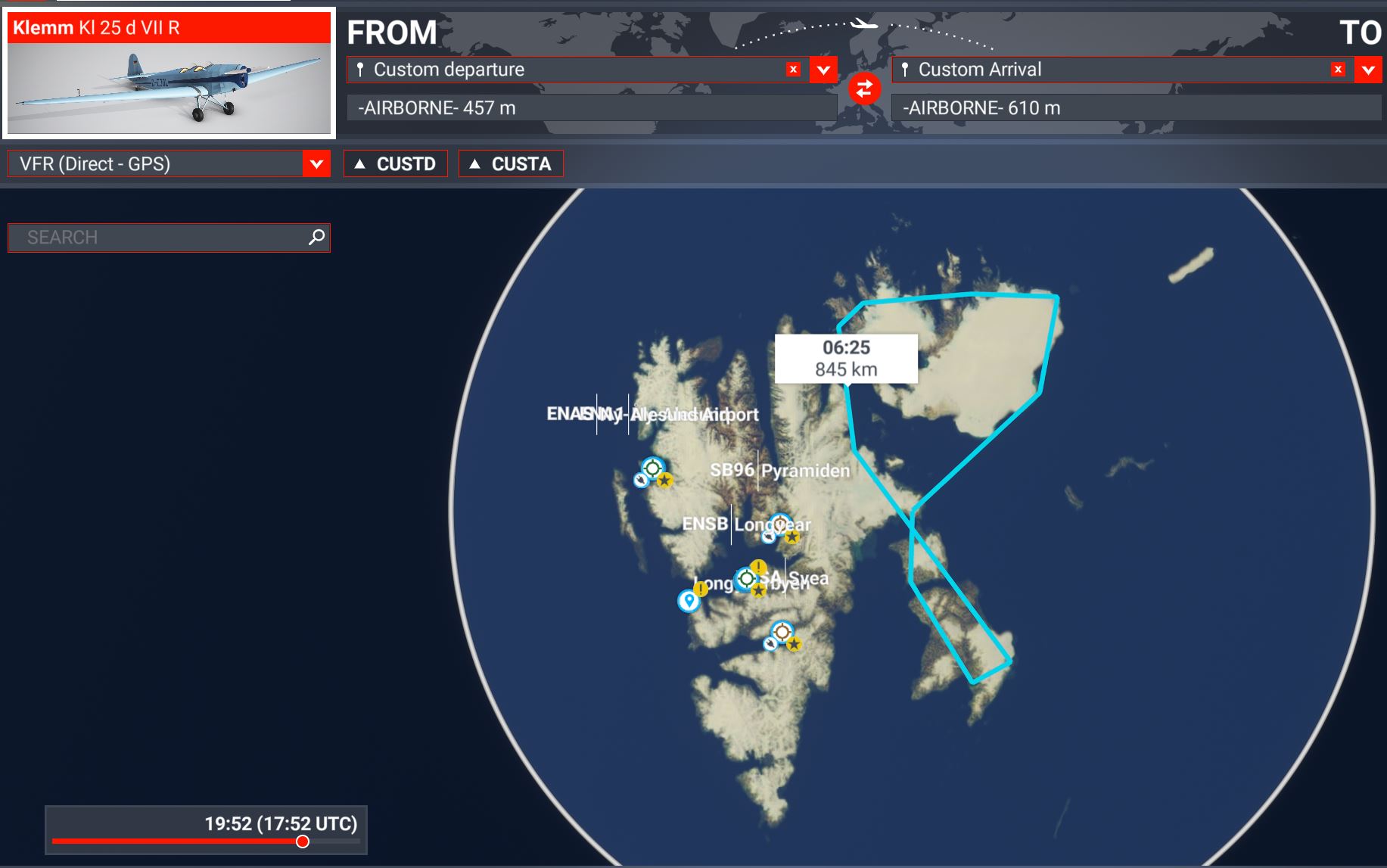
1928: the swedish pilot Olle Ekman was using his ski-Klemm on Svalbard, searching for the missing airship “Italia”.
The german aviatrix Elly Beinhorn started 1931 with a 80hp Klemm to a circumnavigation of the world. We re-enact two of her more interesting stages:
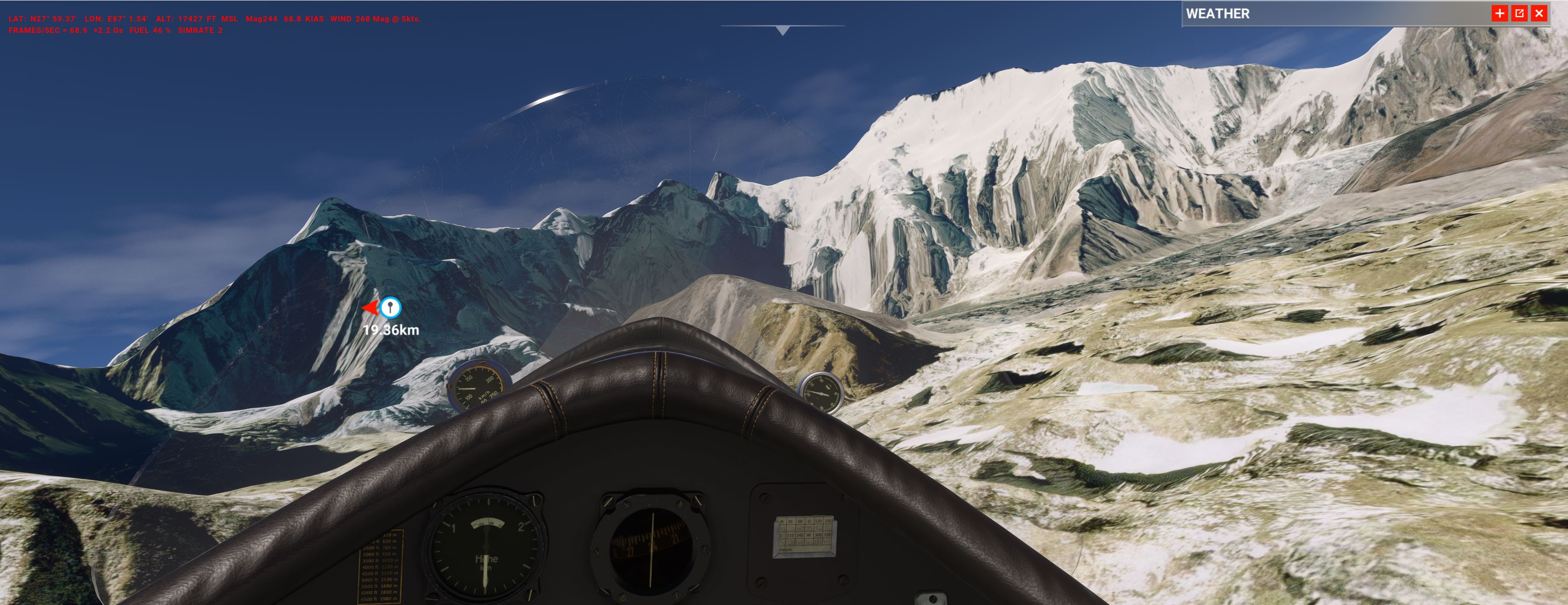
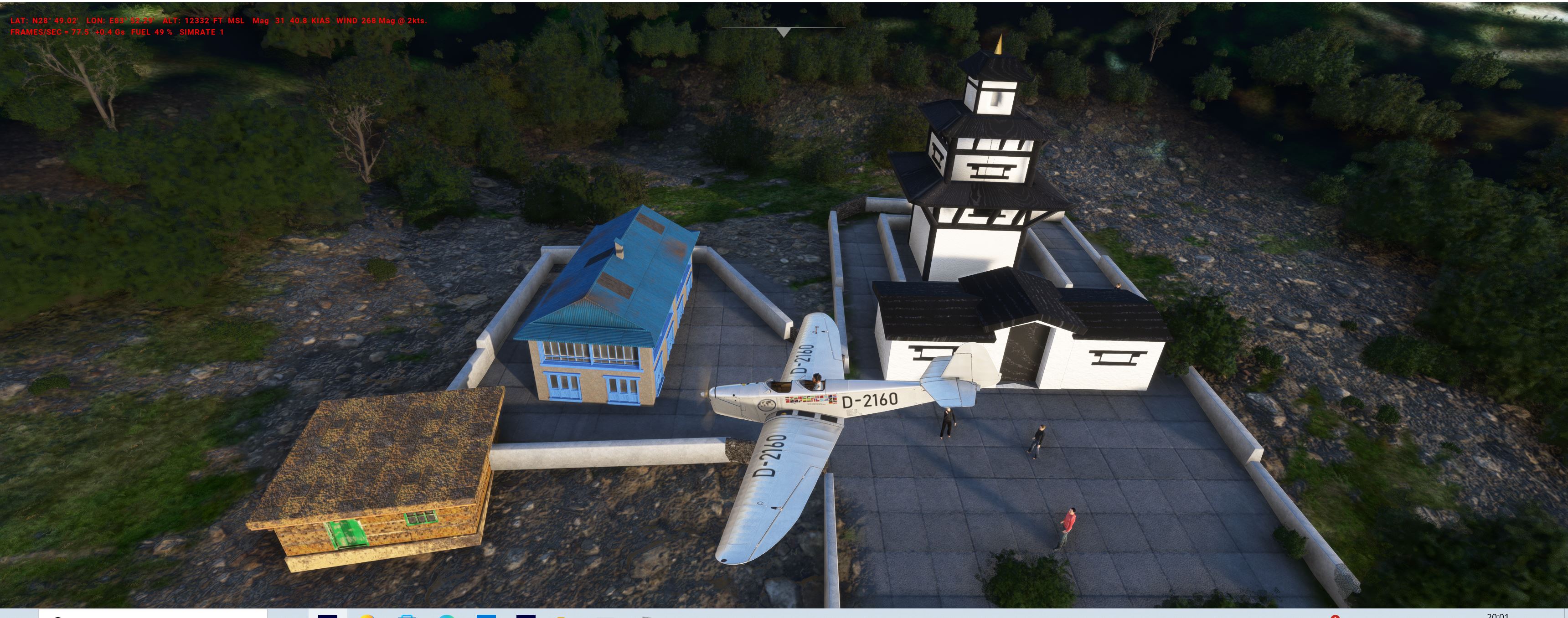
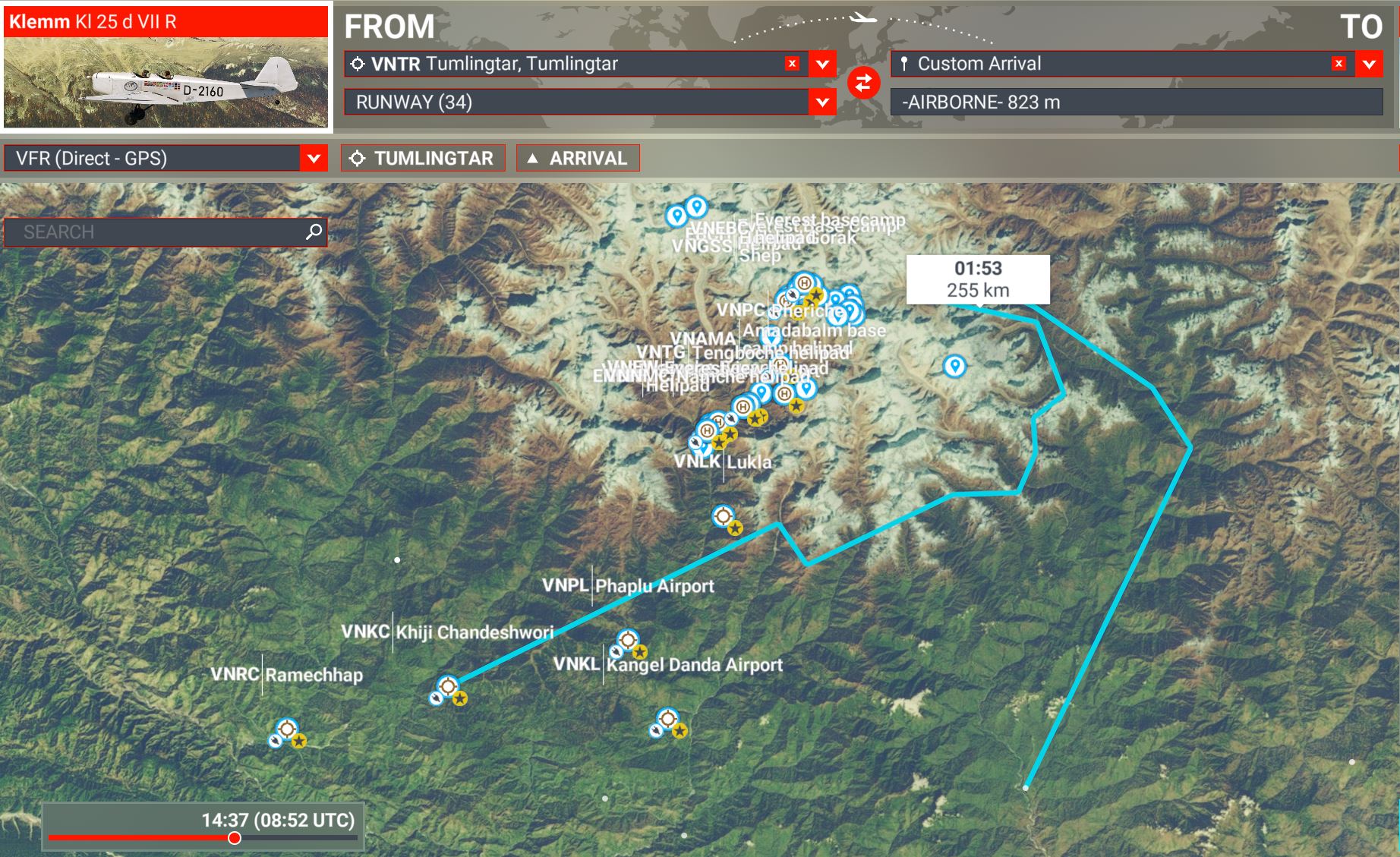
Together with two american Pilots (in their Stearman) she tried to reach Mount Everest. As there were no maps they tried access from the east. Having no oxygen the trio decided to stay below 16.000ft, except for a mad dash along the Kangshung Glacier to the east face.
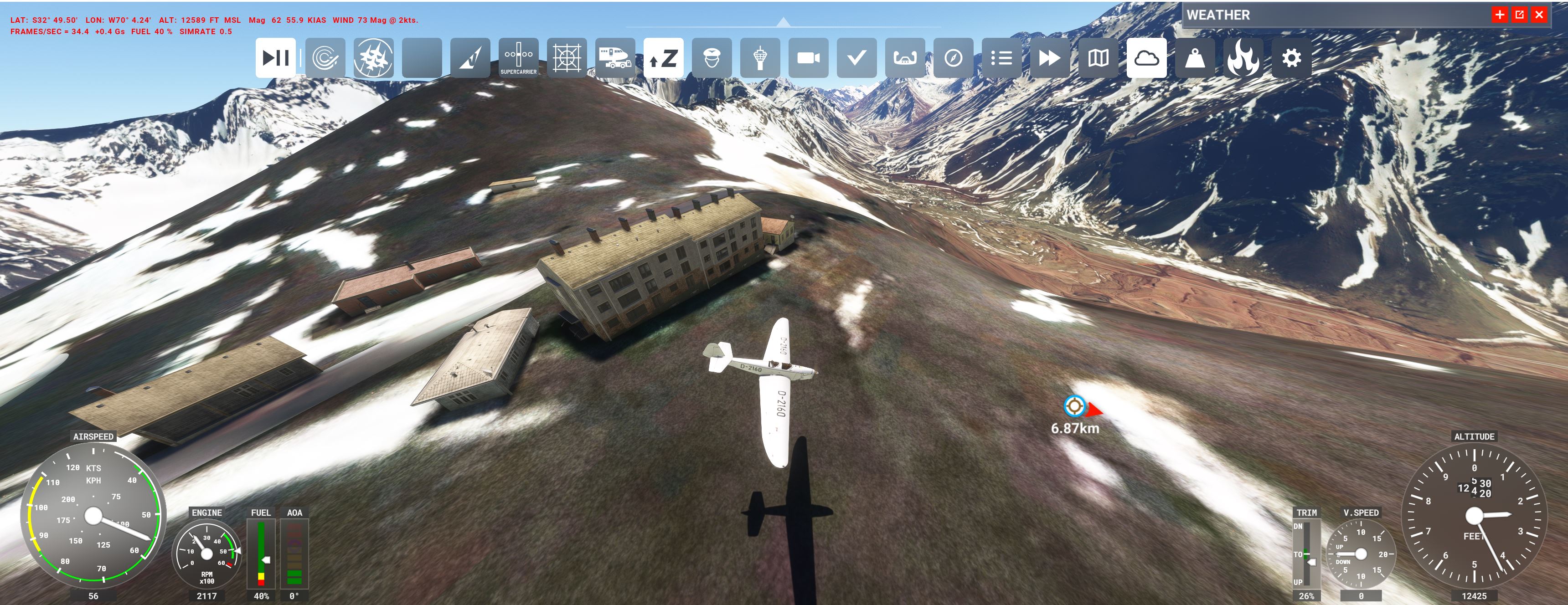
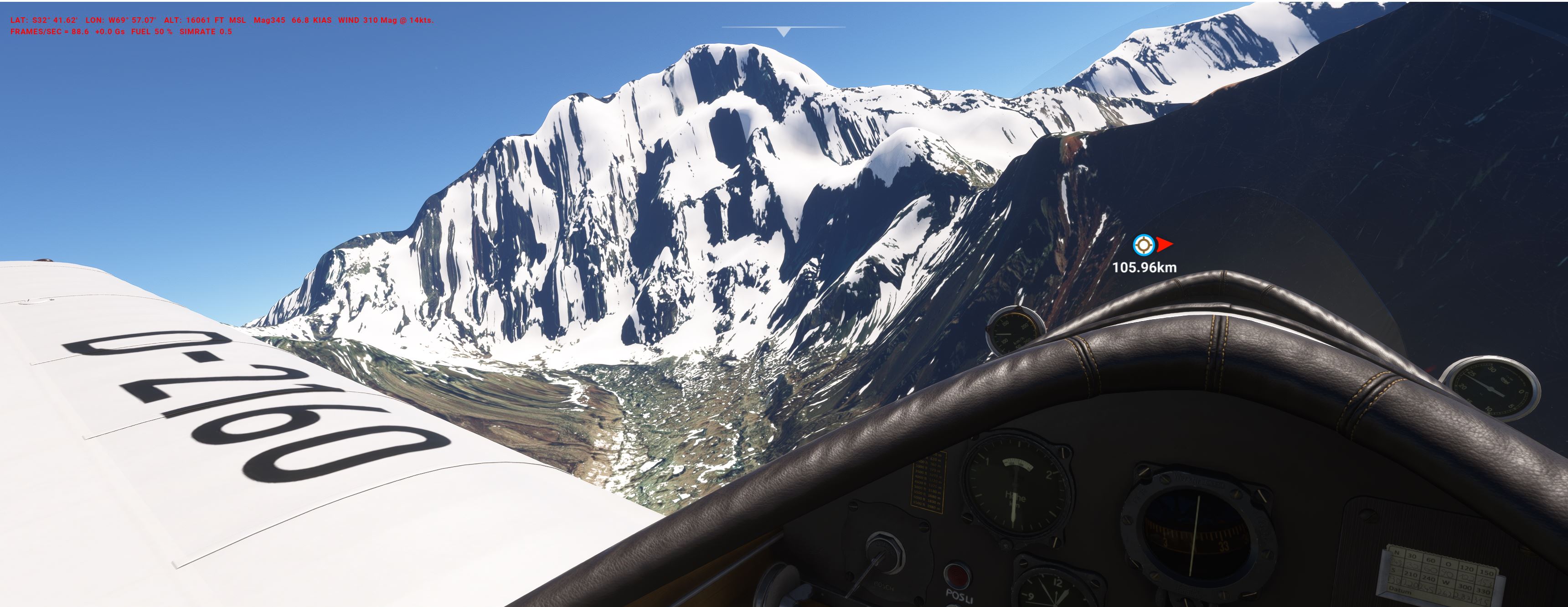
She had to cross the Andes from Santiago de Chile to Mendoza (Argentina) via the Paso de la Cumbre, with a short detour to the south face of Aconcagua. This time she had a small bottle of oxygen with her.
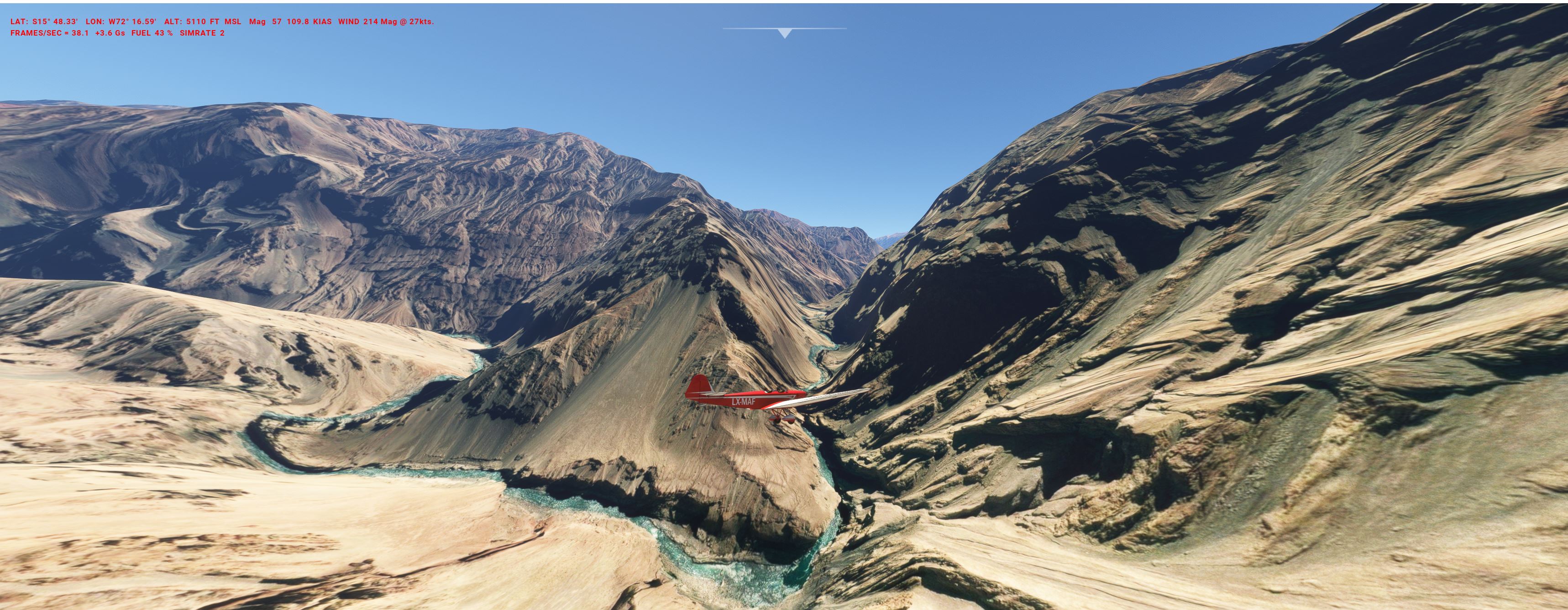
We stay at high altitude in the Andes: In the 1930s the Peruvian Air Force was using the Klemm to reconnoitre possible roads. We fly through Colca-Canyon - with a depth of 2000m one of the deepest in the world. On the way back we follow a path which would later be the Interoceanica Sur highway.
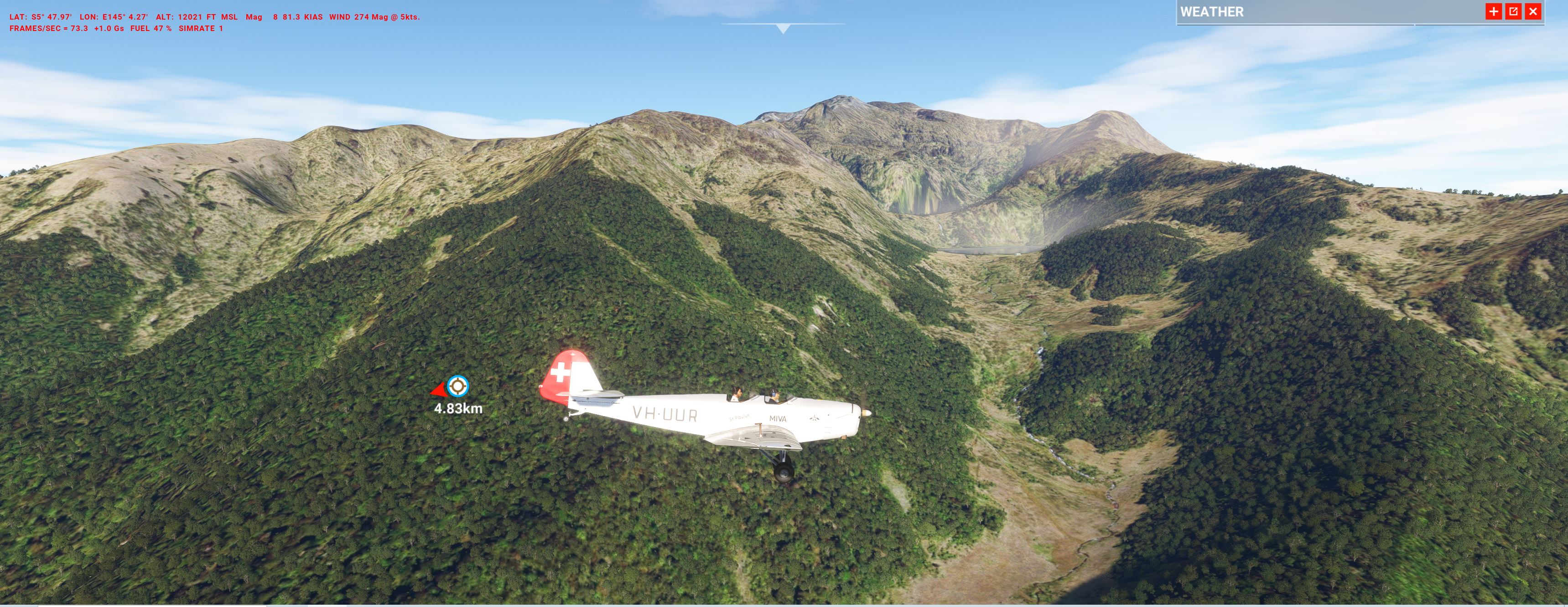
1935: The Klemm 25 with the registration VH-UUR “St.Paulus” flew in Papua New Guinea for a Catholic Mission from the coast to remote outposts inland. 1942 it escaped japanese Zeros (with bullet holes…) ending up in Australia where it still flies today.
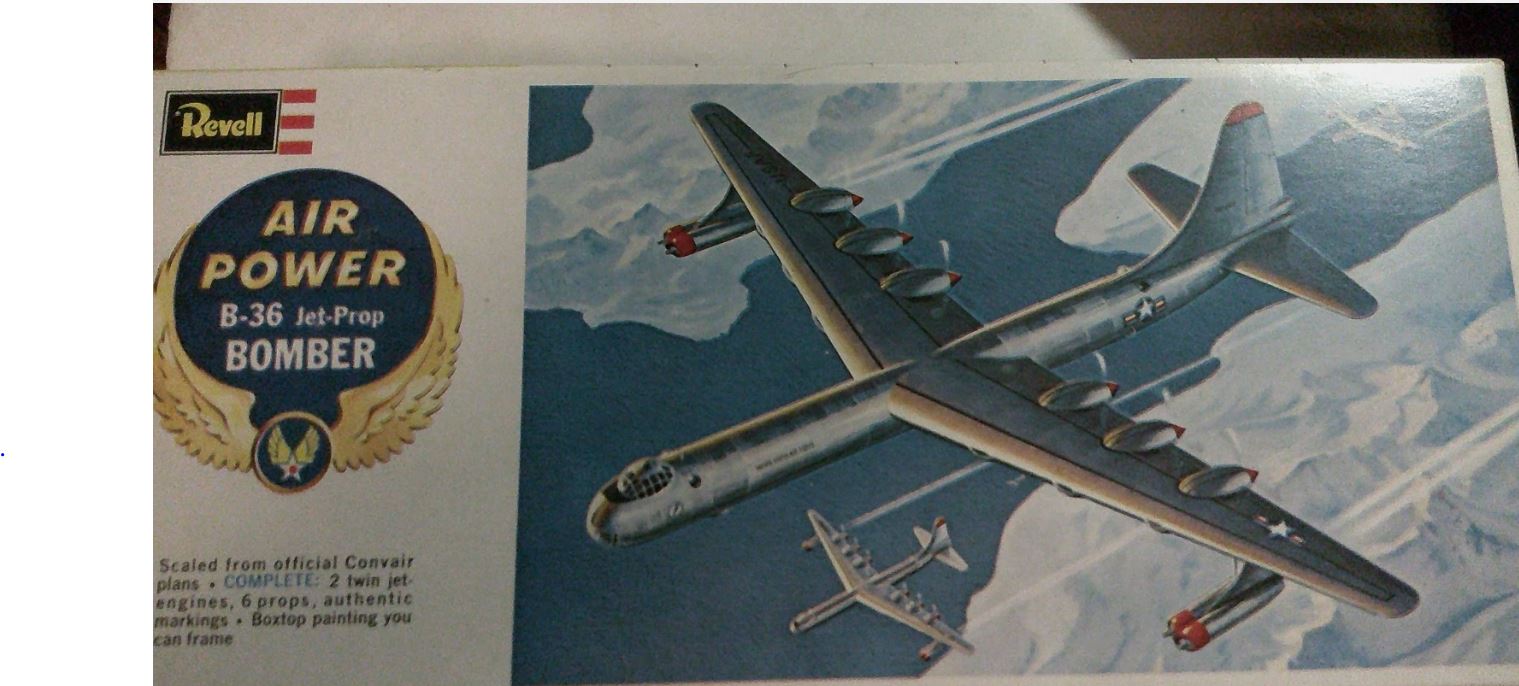
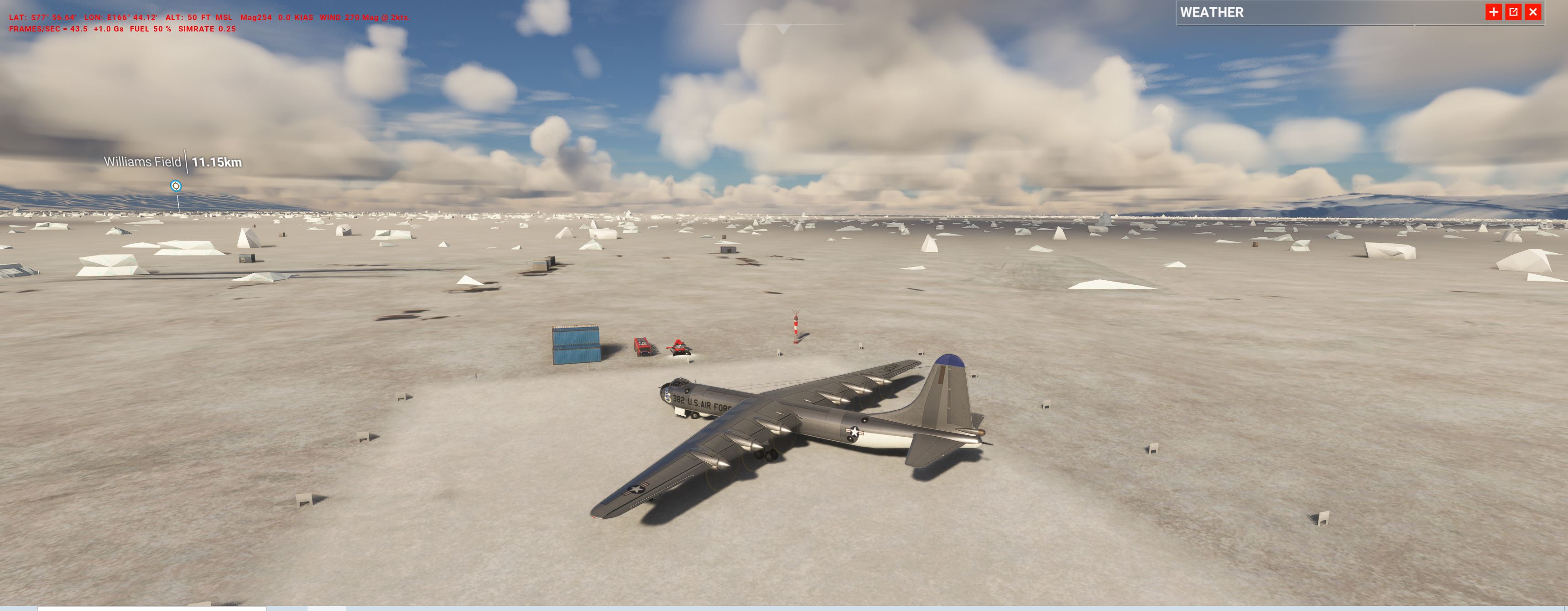
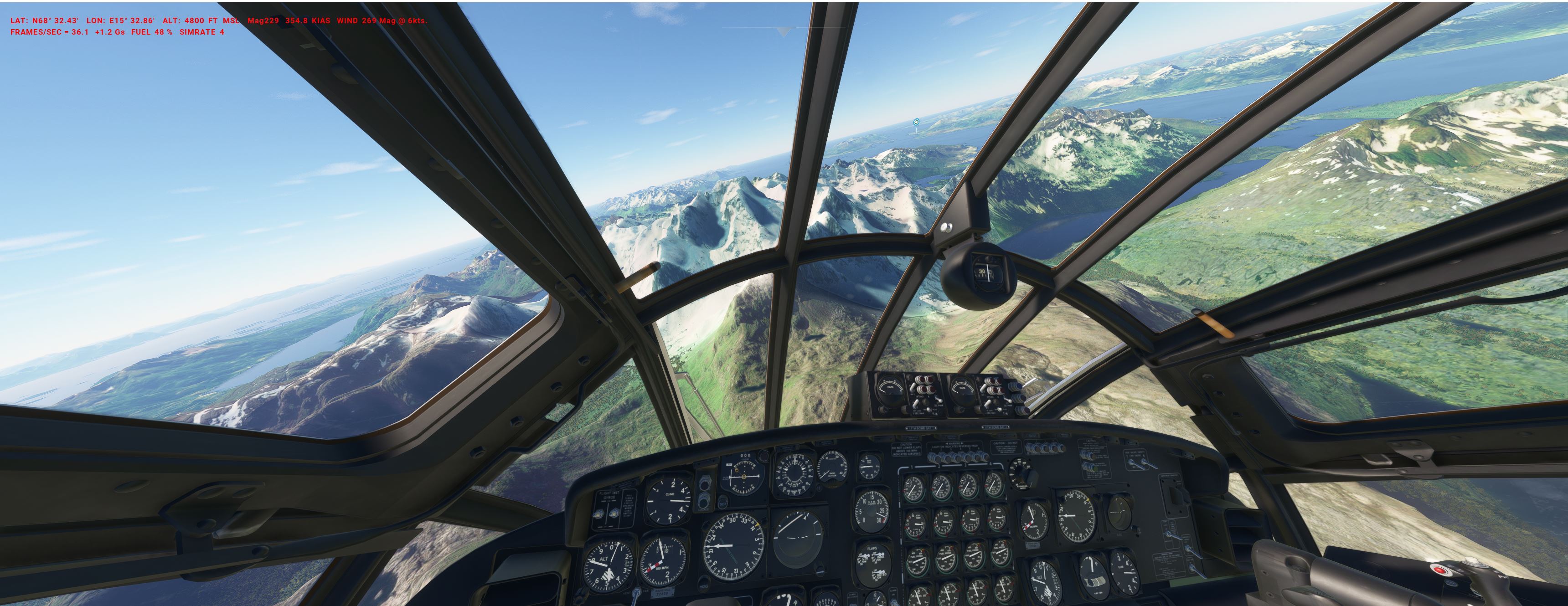
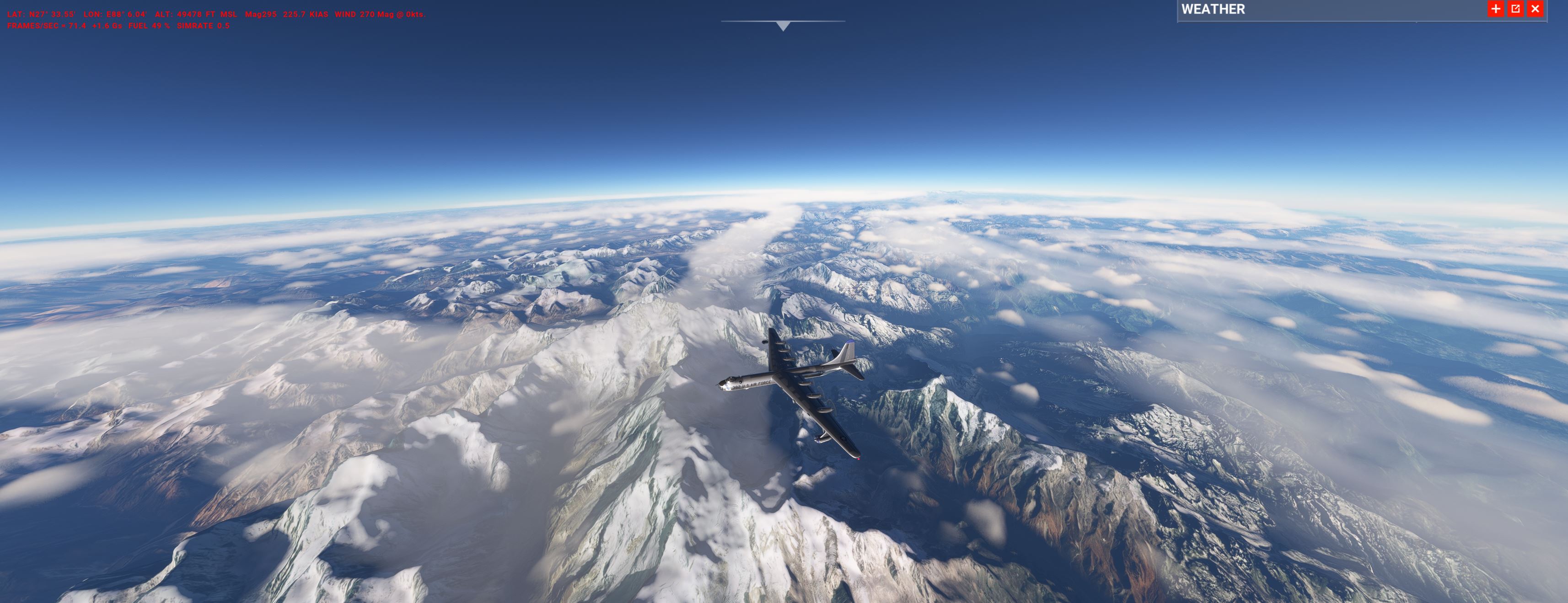
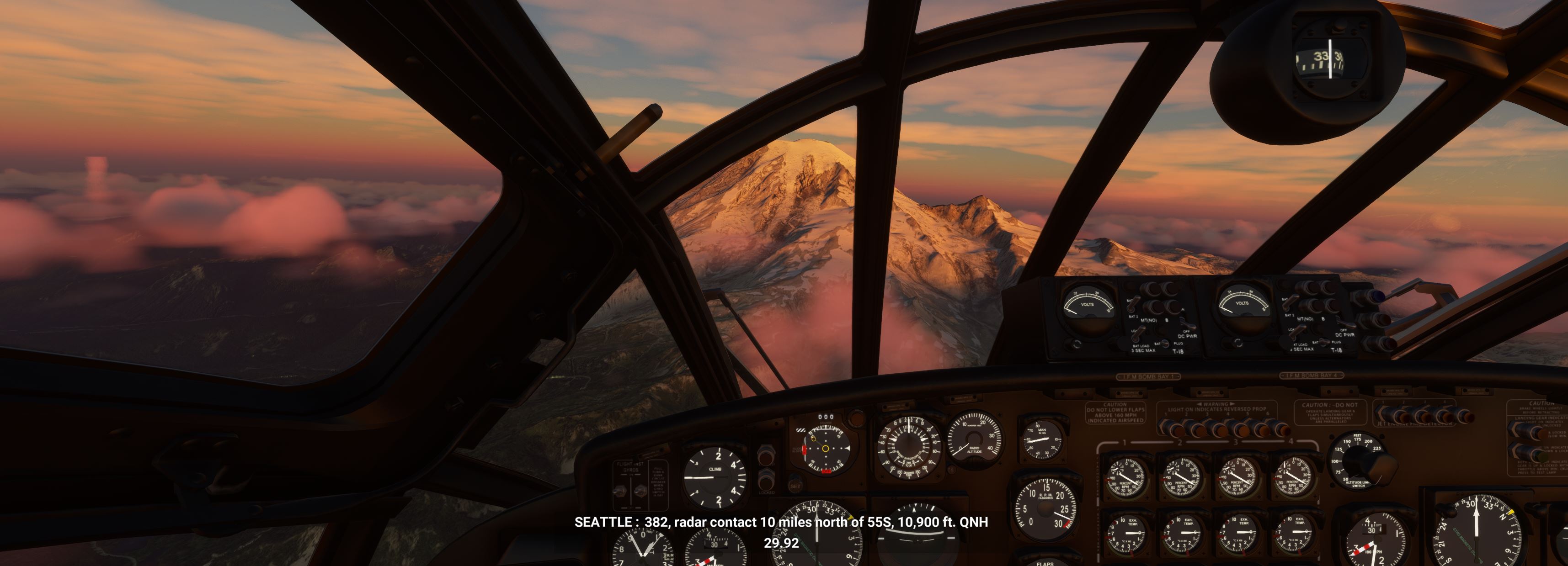
In the 1940s the Convair B-36 was a pioneer in terms of range (10.000 miles), service ceiling (50.000+ ft), flight time (48 hours) and cameras (23).
With the Virtavia payware we can re-hash some of the RB-36s secret and fictional reconnaisance missions.
A. 1950
Argentina started a suspicious nuclear project with the help of escaped Nazi scientists, the USA were alarmed.
We fly from Puerto Rico over the secret labs (still visible IRL today as lost spaces and in the sim) on Huemul Island (WP) and continue to a new US base (from Operation Windmill) in Antarctica.
At the time the US Navy and USAF fought bitterly over the B-36’s acquisition and legendary General LeMay wanted to show that his “Peacemaker” is capable of everything. 15.000 km
B. 1953
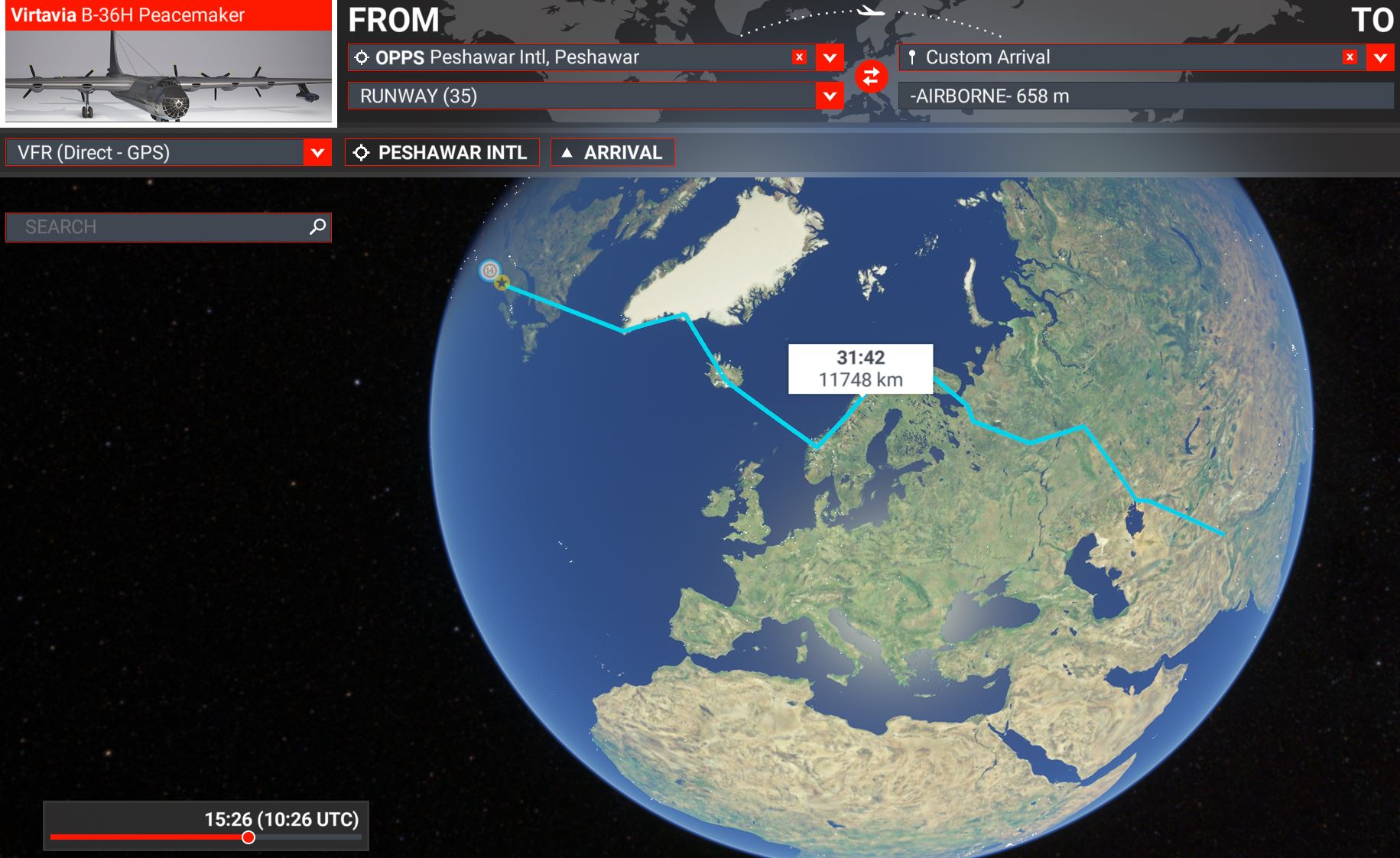
RB-36s operated with impunity over the USSR as russian radar and MiG-17s could not reach them at the time.
We fly a fictional earlier copy of the U-2 incident from 1960. The route from Pakistan over the USSR is exactly the intended one from G. Powers. But we continue after Norway via Iceland and Greenland to Maine. 12.000 km
C. 1955
China and North Korea were a frequent target for overflights.
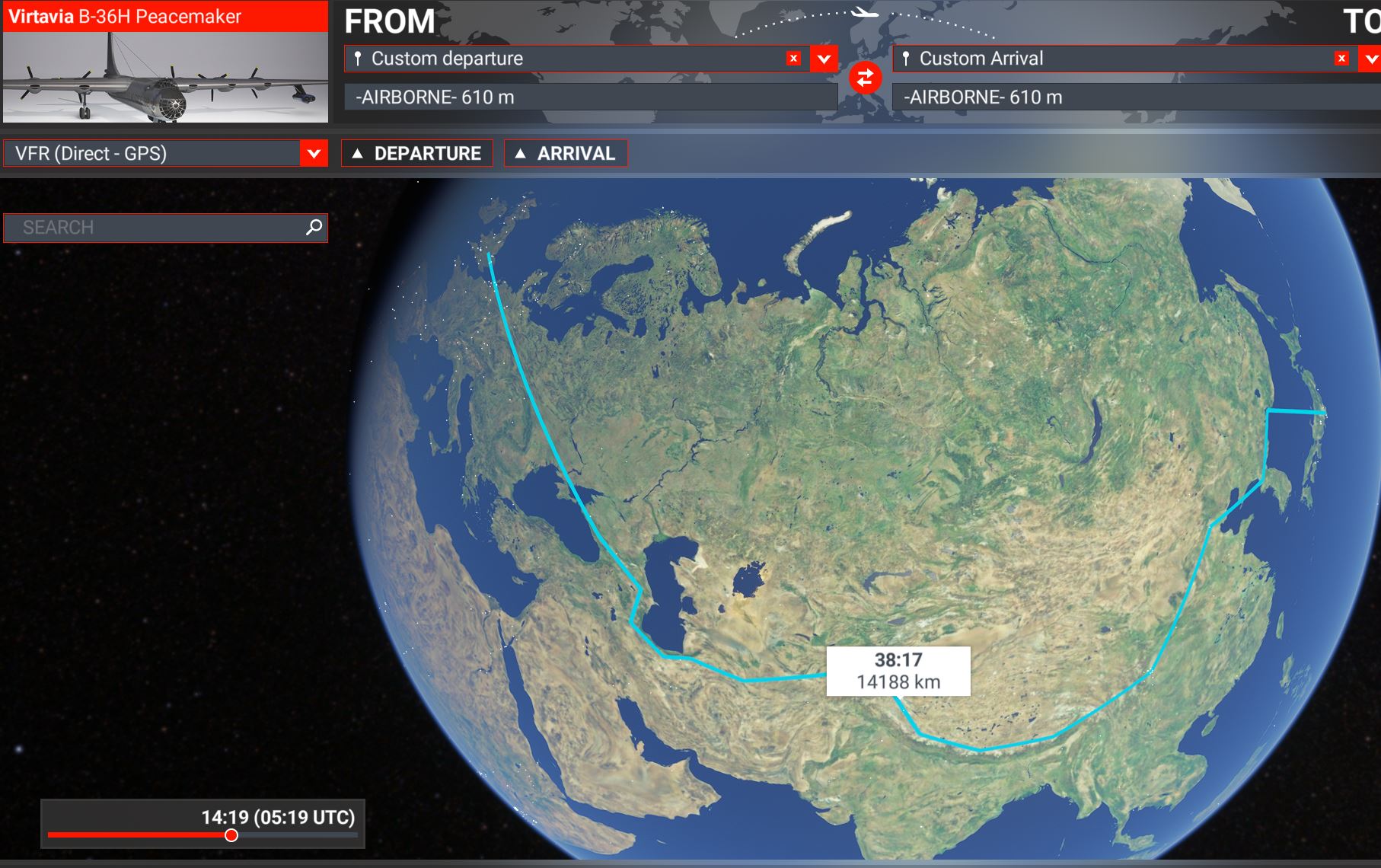
On this occasion we do a big one: from Japan first graze Vladivostok, look into Tibet, the USSR’s Pamir, Caucasus & Ukraine, then fly over some eastern bloc countries - finally landing on one of the UK’s V-Bomber bases. 14.000 km
D. 1958
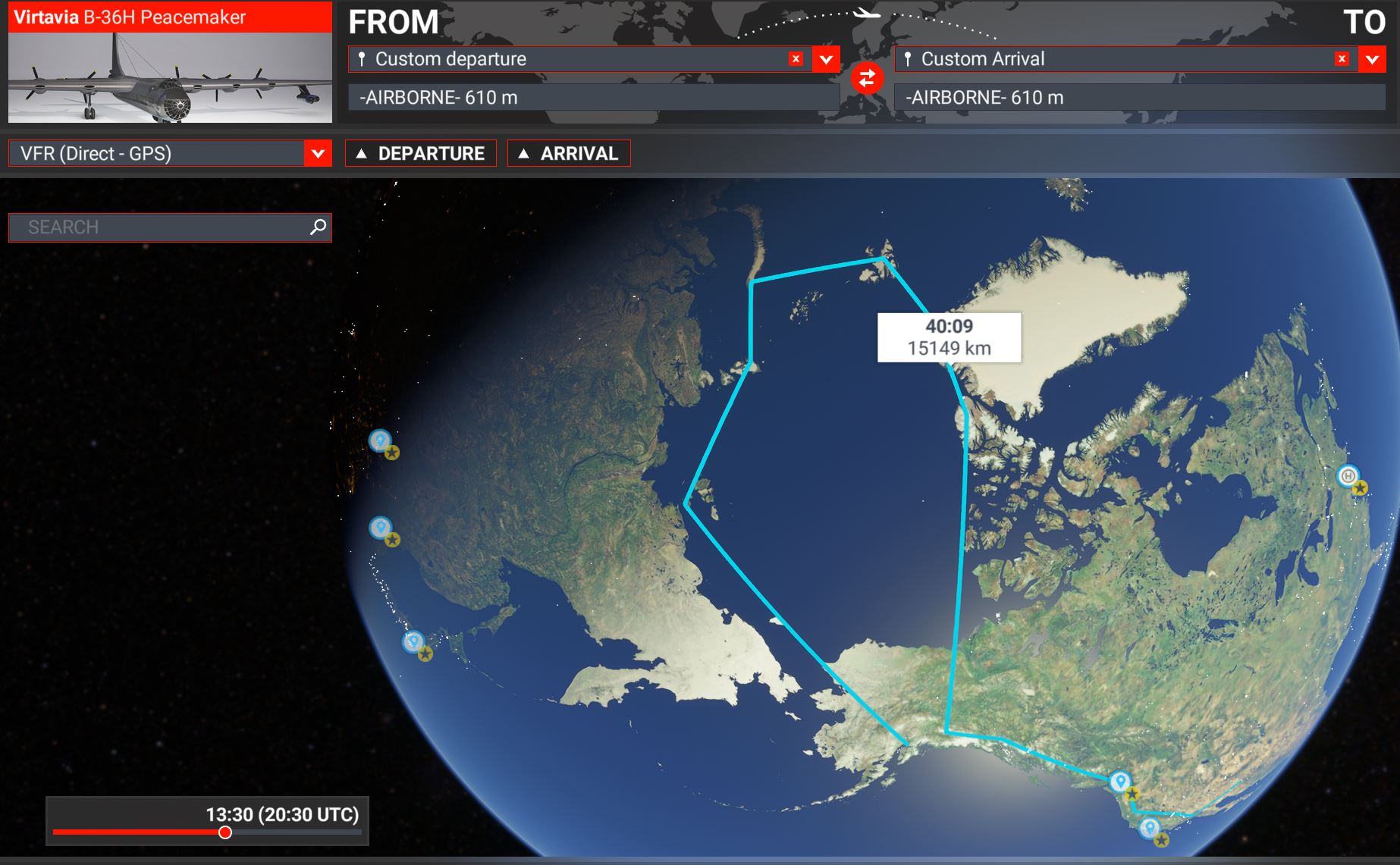
Swansong: the aging RB-36 could by then only fly safely along the periphery of the USSR. We make an arctic patrol from Phoenix to Anchorage. 15.000 km
The B-36 had an autopilot, full kitchen, bunk beds, washbasins, carpets and even ash-trays - so there is no reason to use the sim’s accelerated time, just hang in there - and read a B-36 fantasy from 1951:
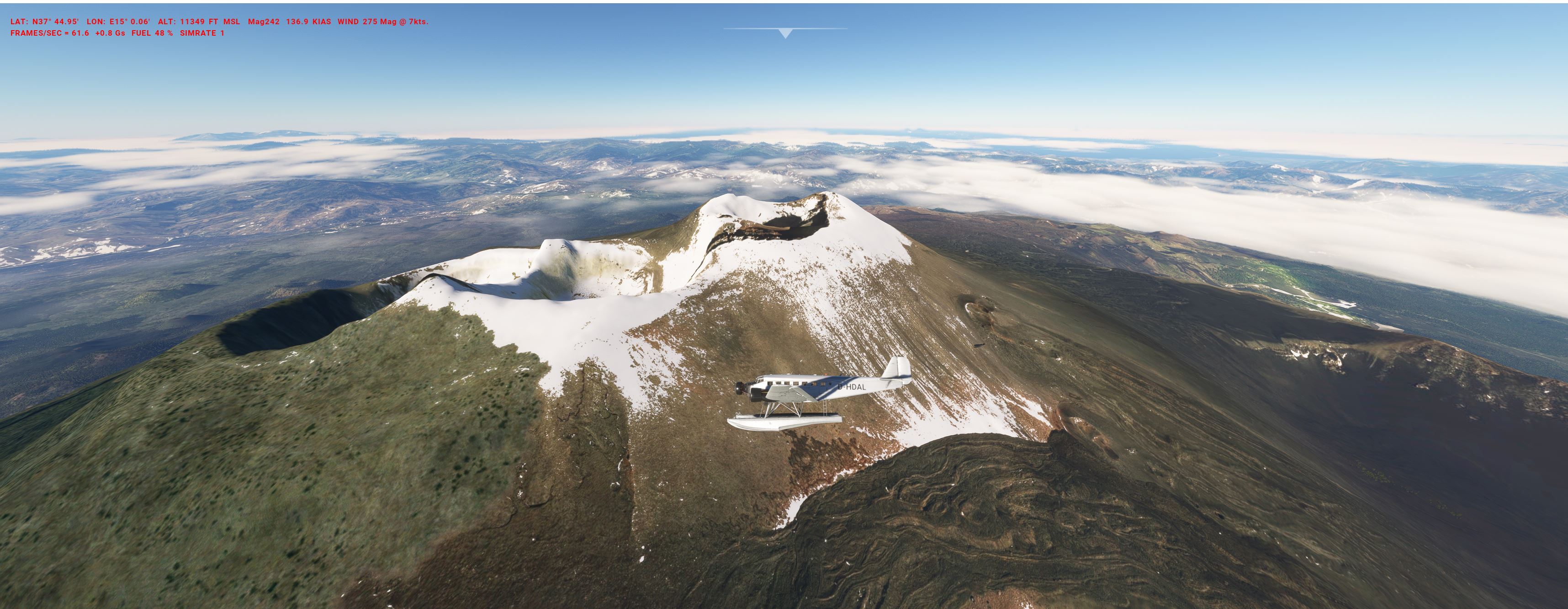
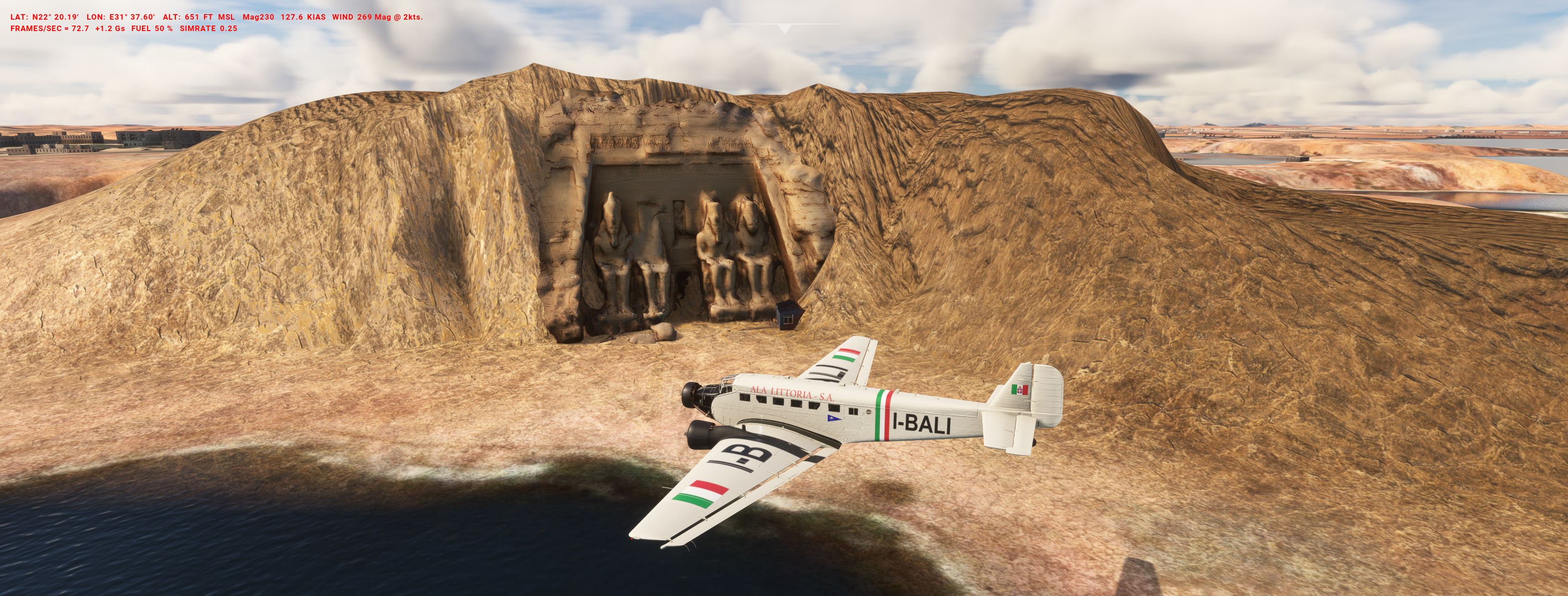
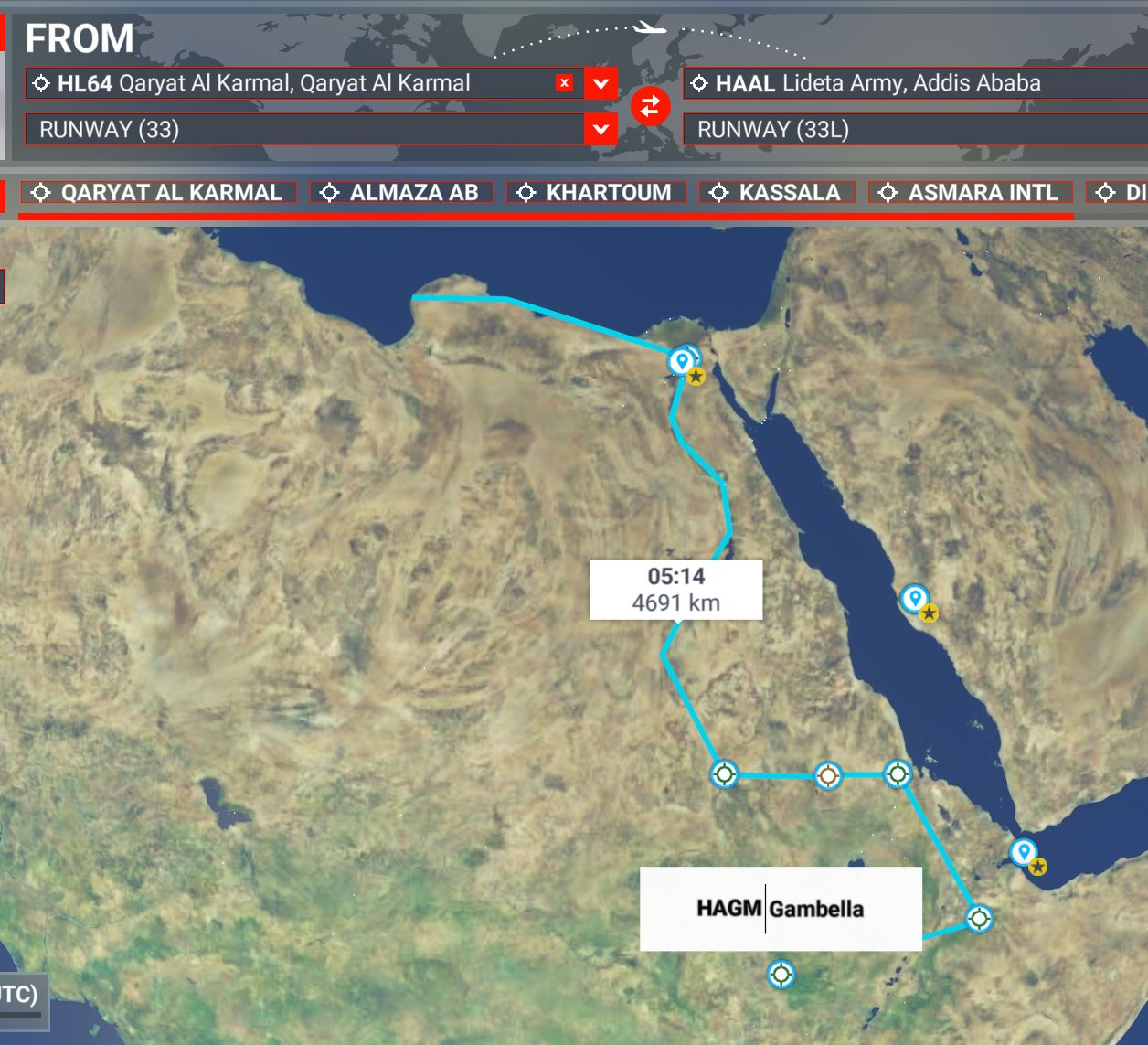
… was founded as Italys national airline. Originally it operated a bunch of planes from our sim (Ju-F13, Do-Wal, Savoia-Marchetti SM.55, Fokker FVII/3m) followed by later SMs, Ju-52s and even DC-2/3s. It established fast a network in Europe and NE-Africa.
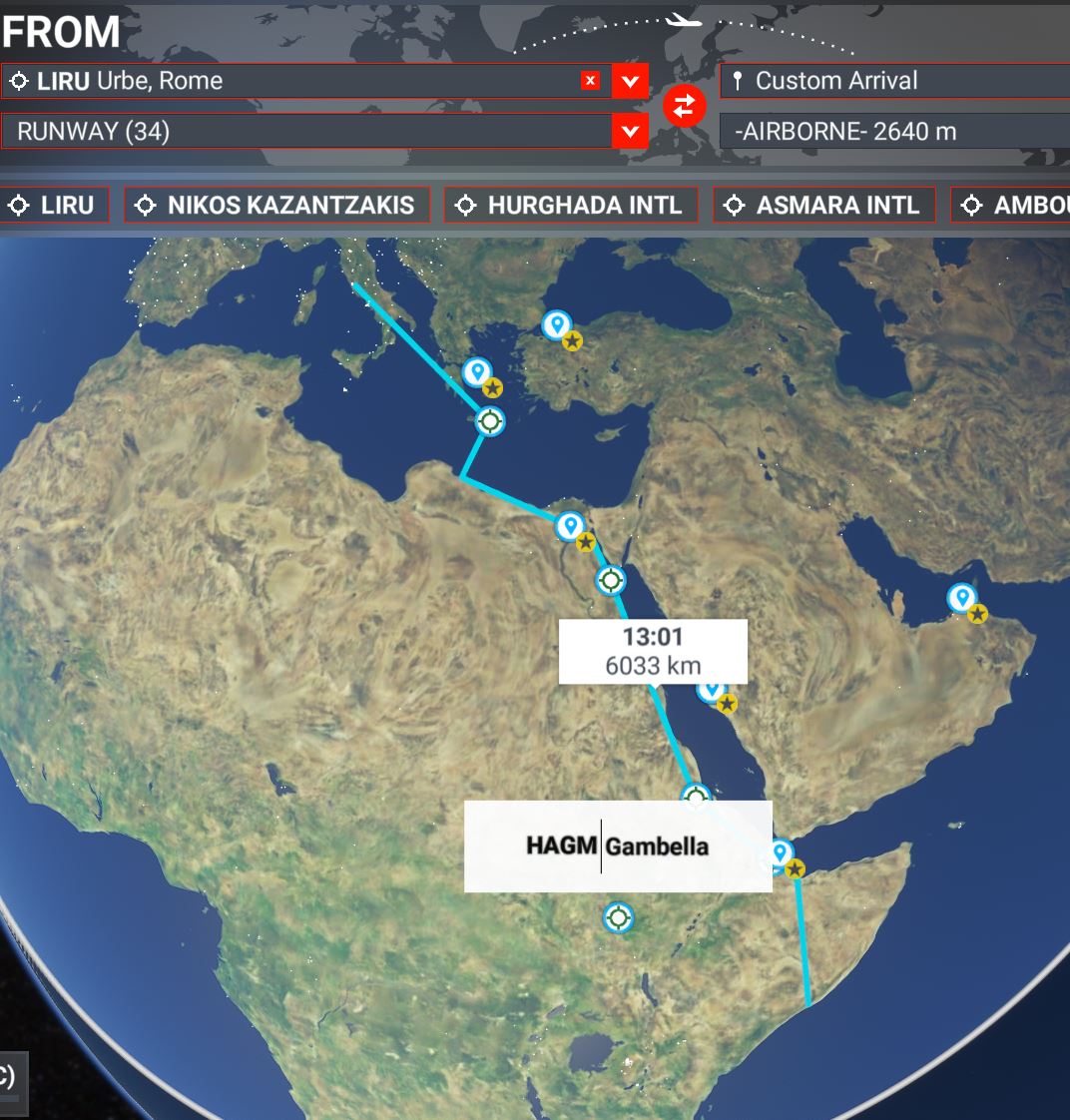
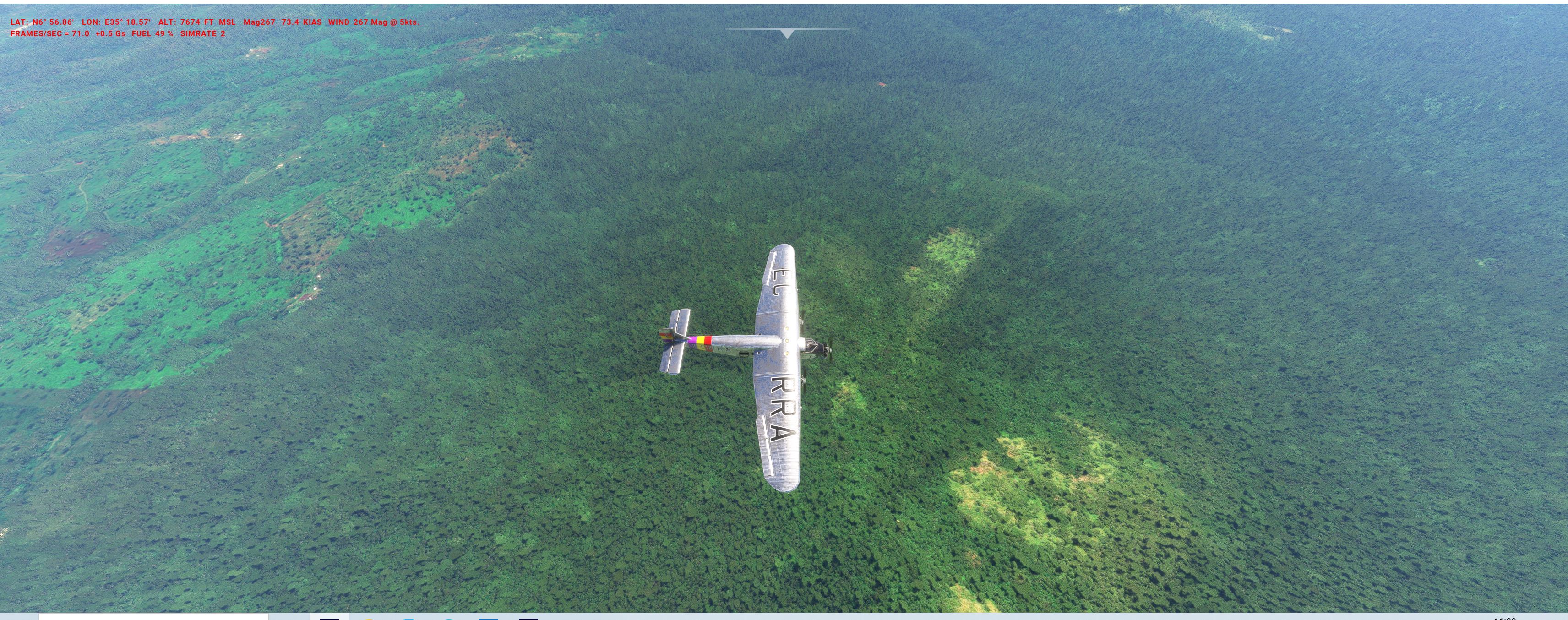
A. 1934 a Savoia-Marchetti S.71 (take a FVII/3m or Ford 3m) did a pioneer flight from Rome - Crete - Tobruk - Cairo - Red Sea Coast - Djibouti - to Mogadiscio.
The plane was later used in Eritrea and Abyssinia.
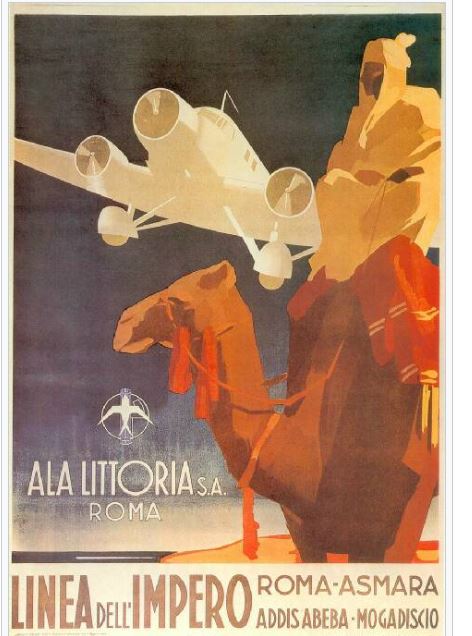
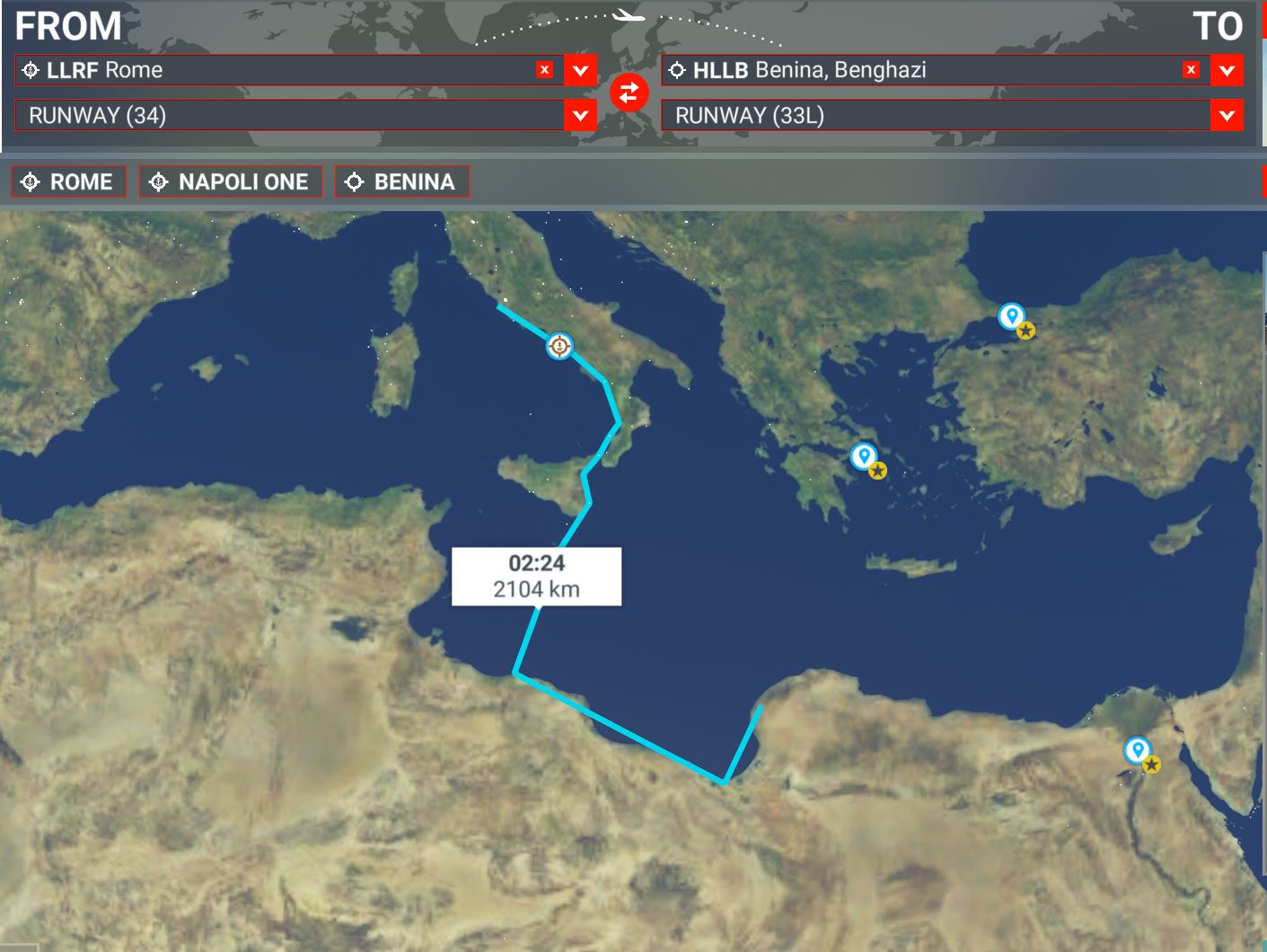
B. 1936 after the brutal italian conquest of Ethiopia, A.L. created the “Linea Imperio” as its flagship route:
Rome - Sicily - Benghazi - Cairo, Wadi Halfa, Khartoum, Cassala, Asmara, Dire Daua - Addis.
Two stages: with Z.506 seaplanes to Africa, then a switch in Benghazi to SM.73s
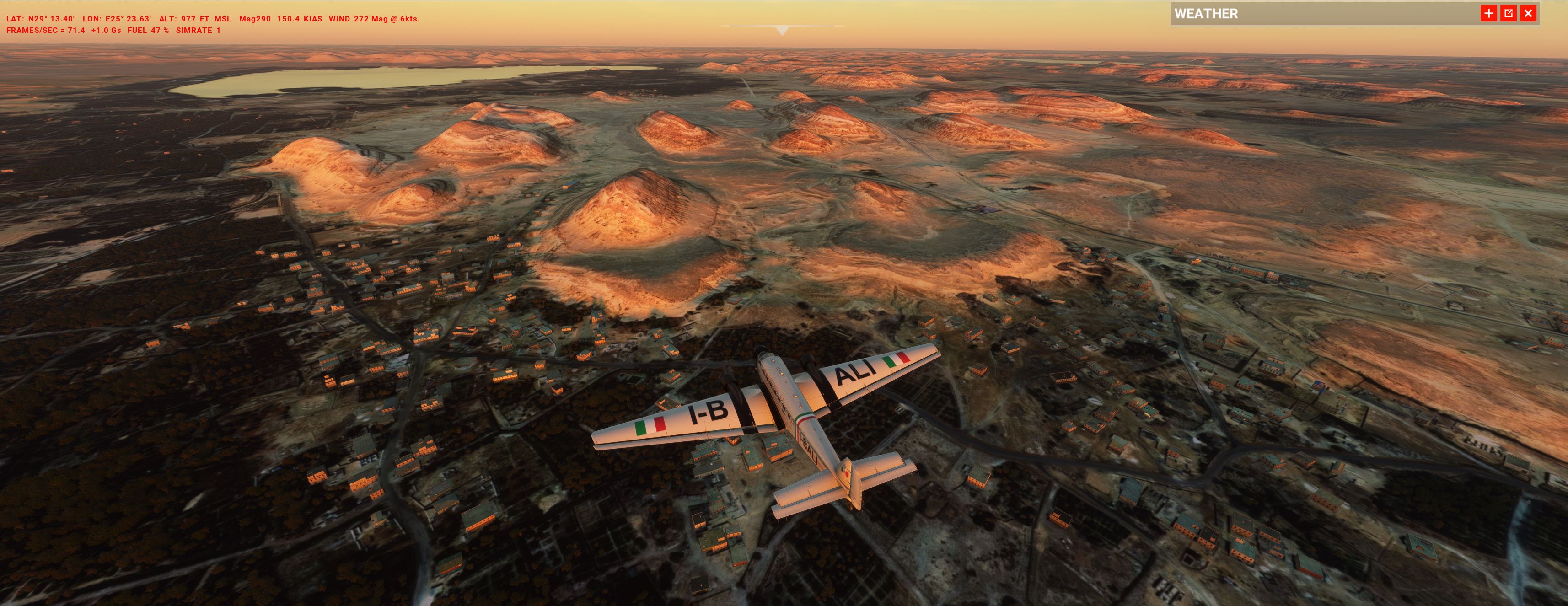
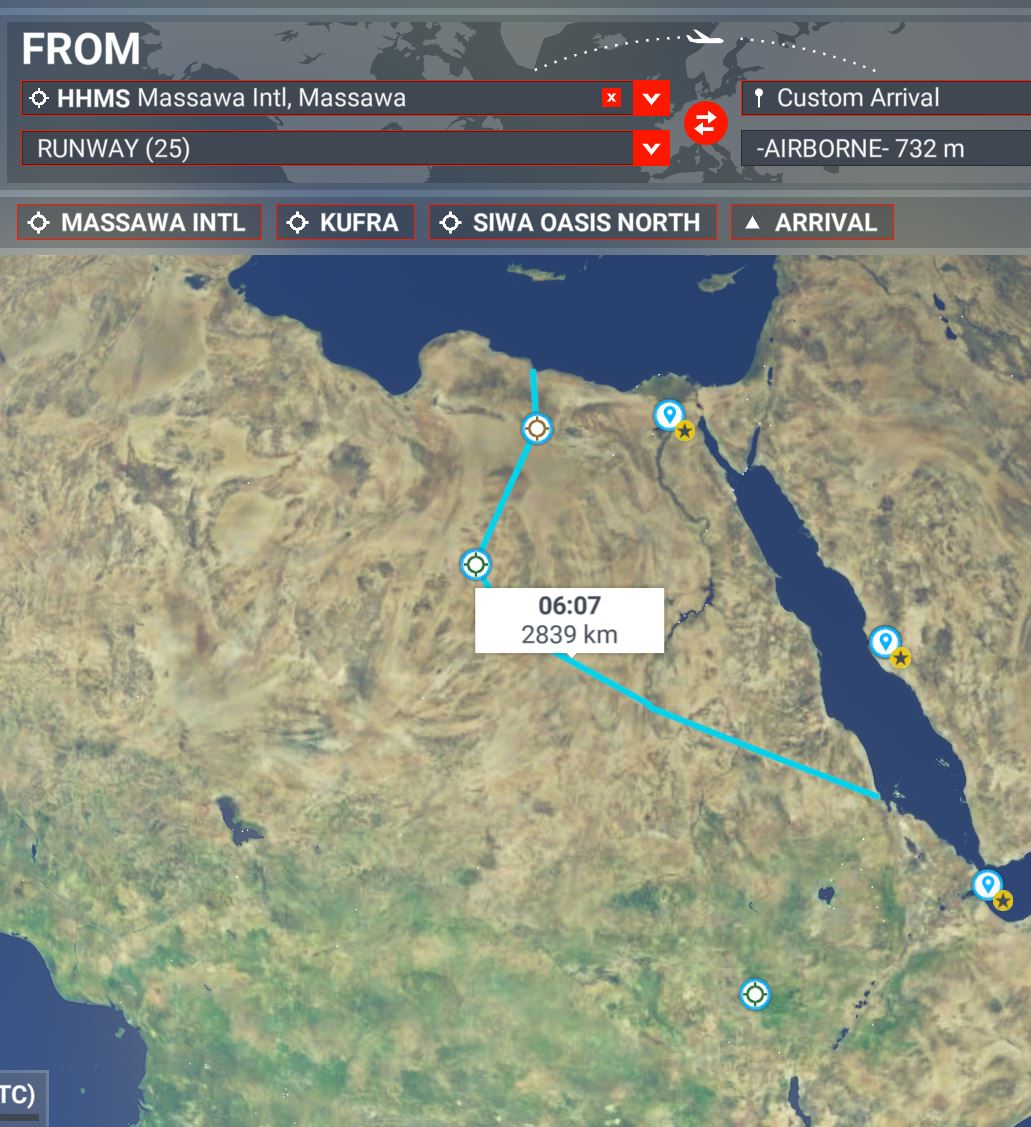
C. 1936 - there is anecdotal evidence of a test run back home via Libya - to avoid British Egypt:
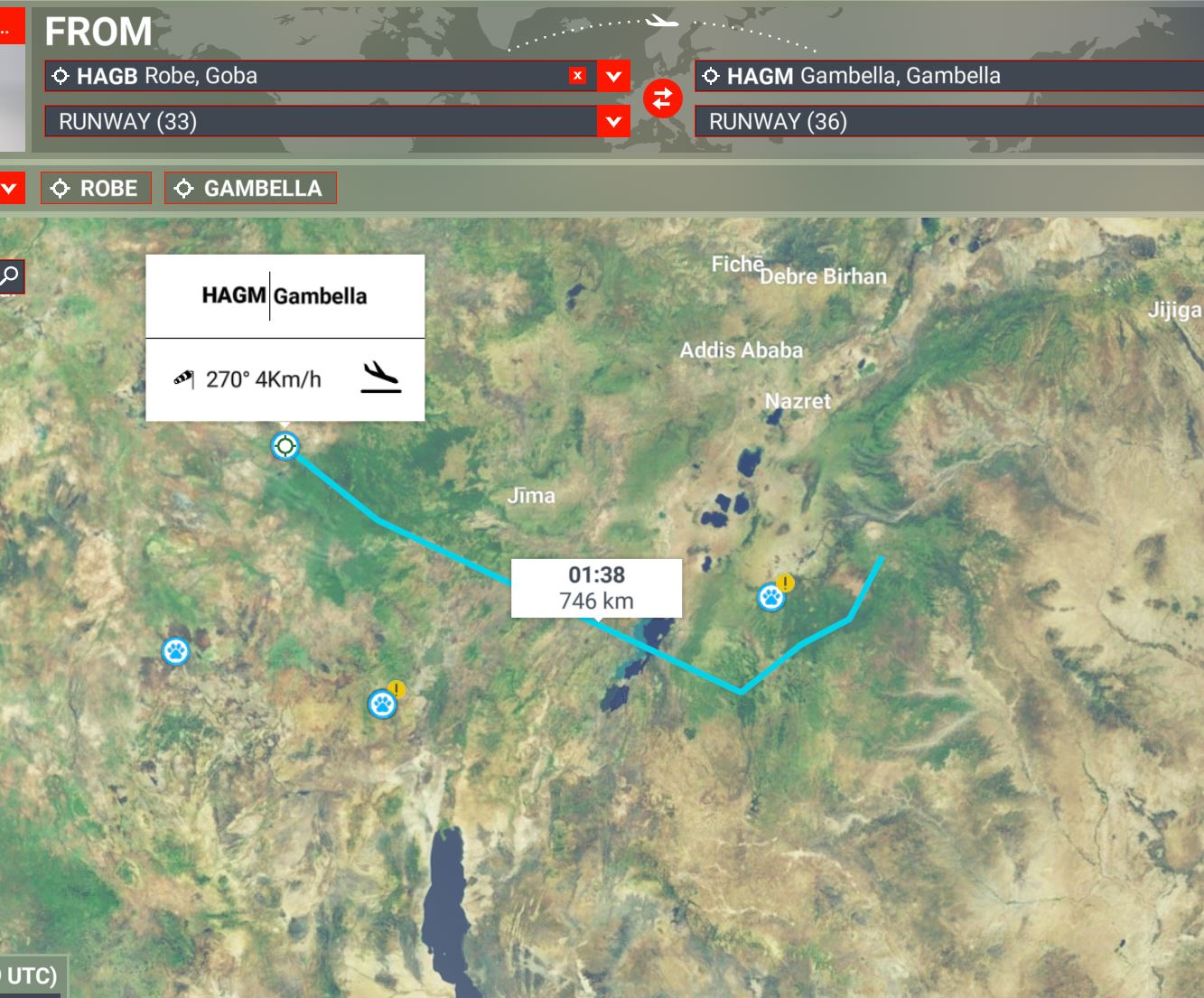
Asmara - Khartoum - Dunqula - Uweinat - Kufra Oasis HLKF: refill - Harat Zuwayyah Oasis - Siwa Oasis - Sollum
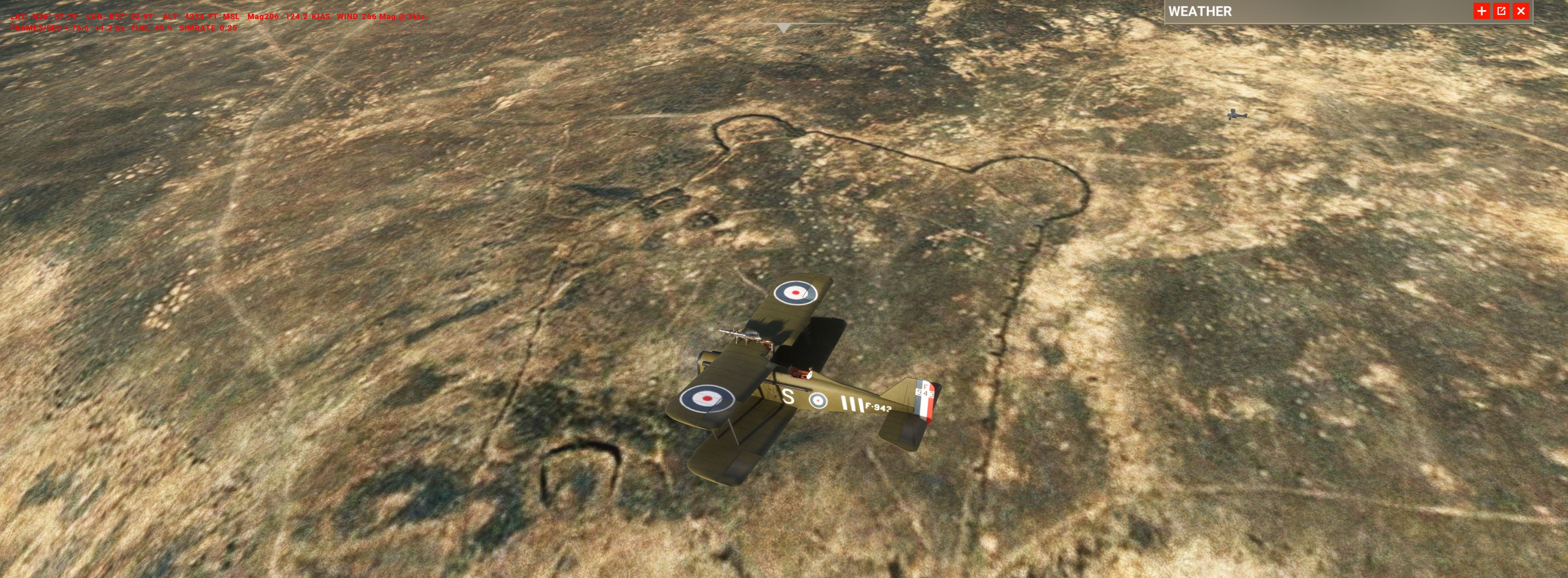
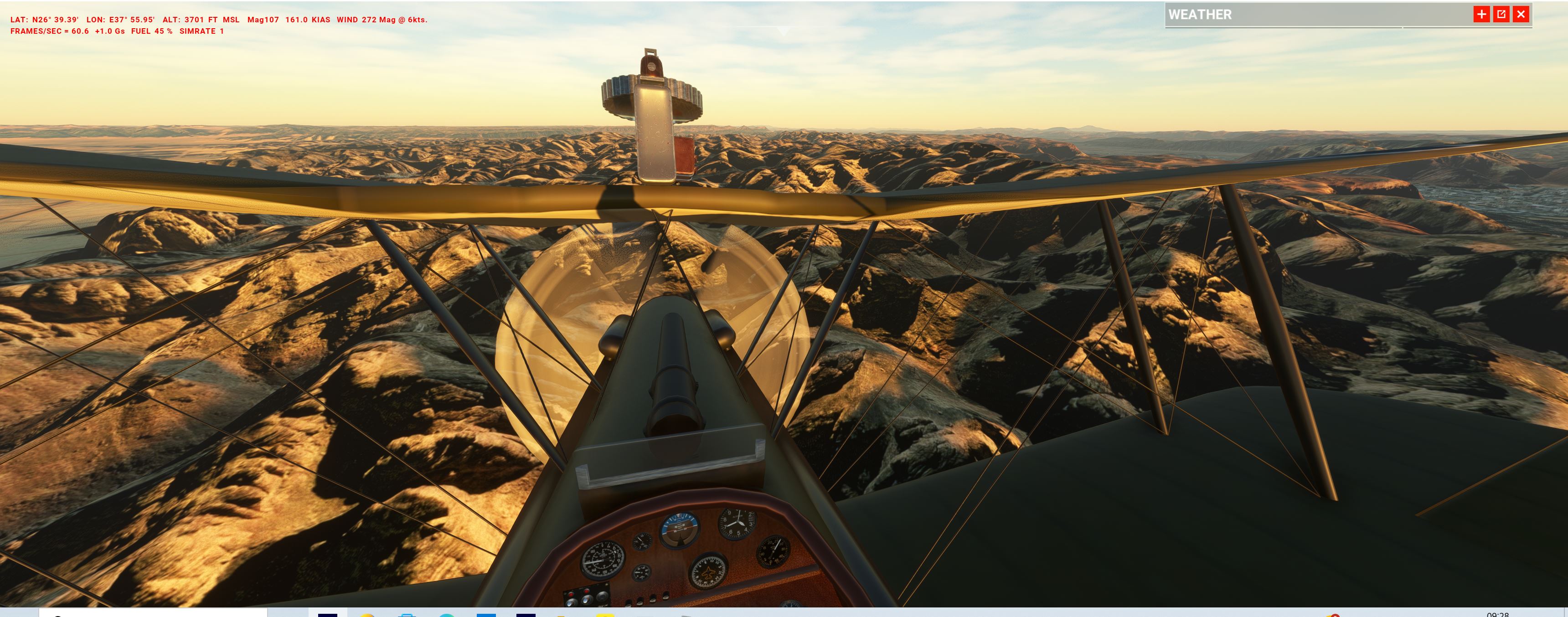
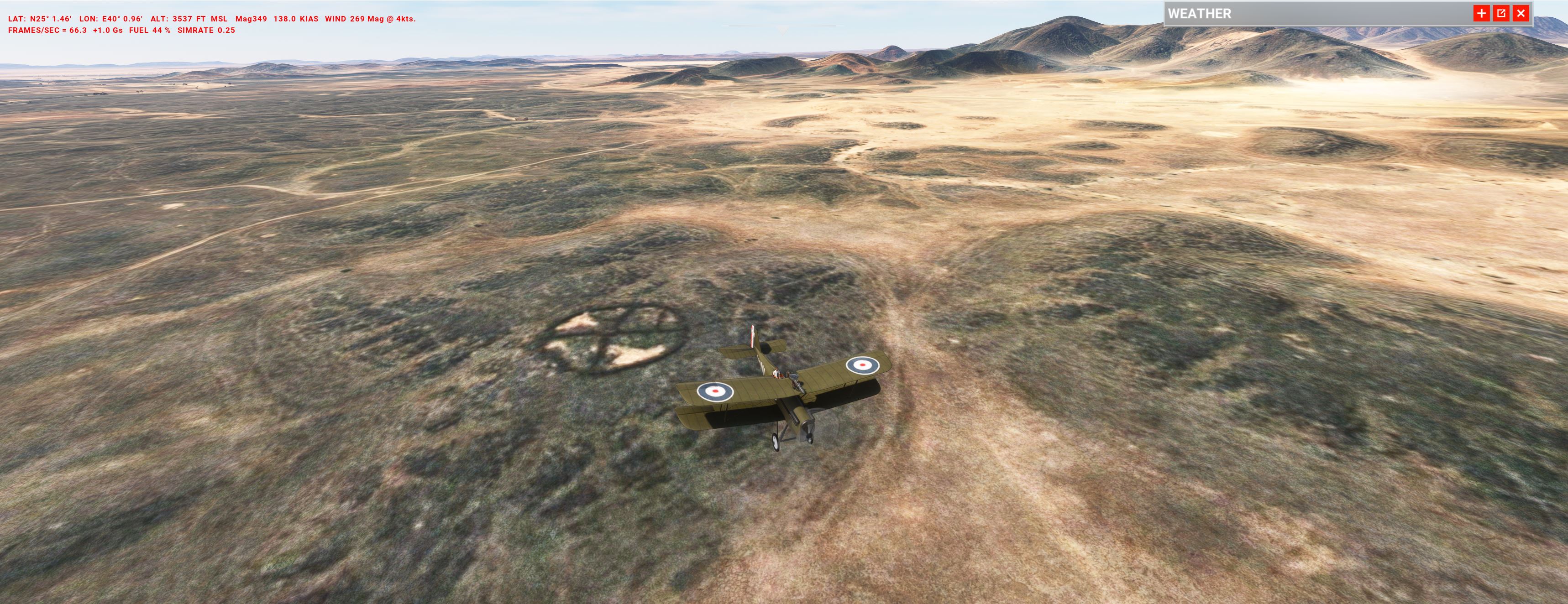
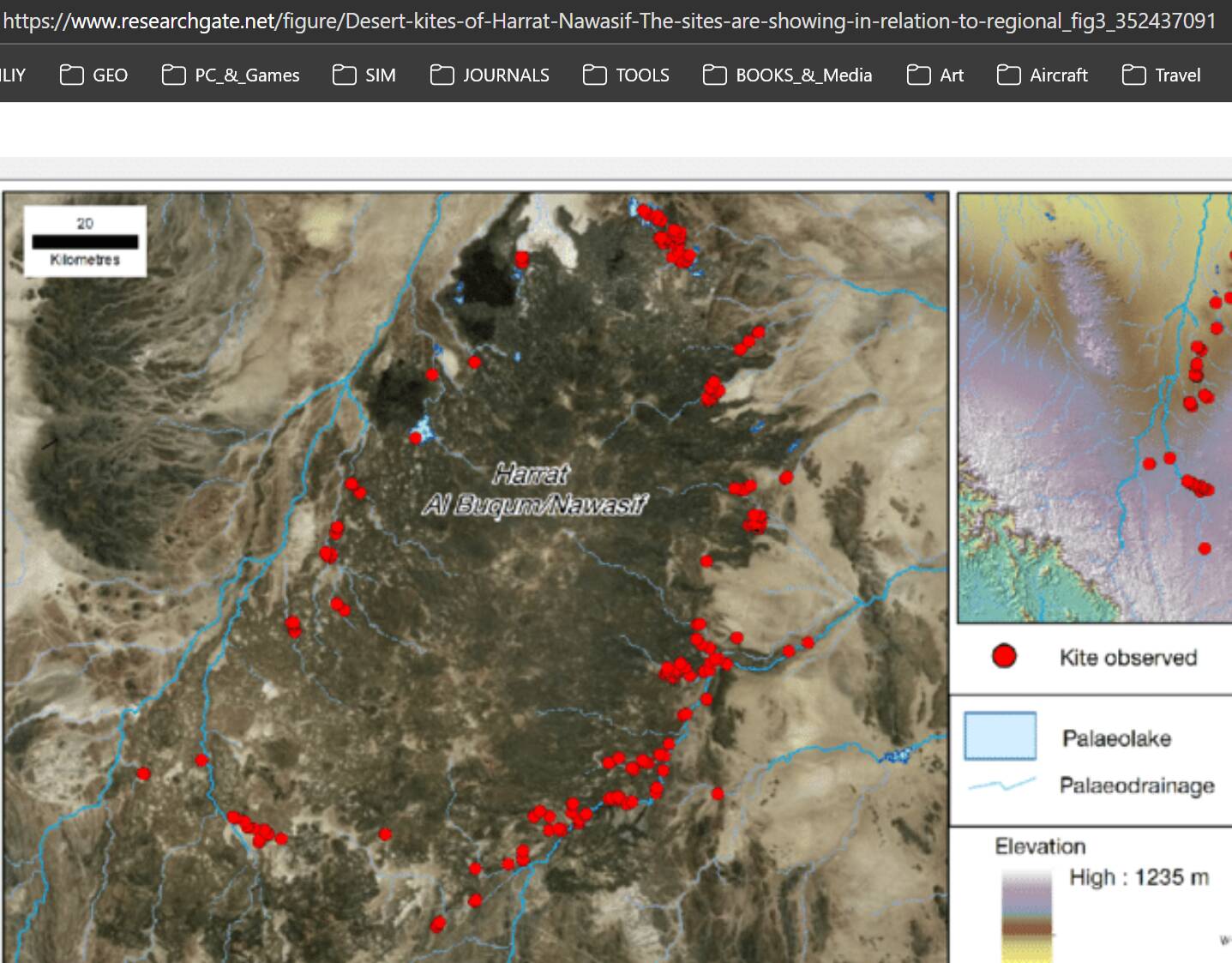
RAF pilots flying over the Arabian Desert (today Saudi-Arabia) detected strange structures which they called Desert Kites:
miles long, funnel shaped stone walls ending in circular pits and corrals.
Today it is believed that they are a 10.000 year old trap system to hunt gazelles, build by an unknown people. Thousands have been found on aerial and satellite images in the middle east.
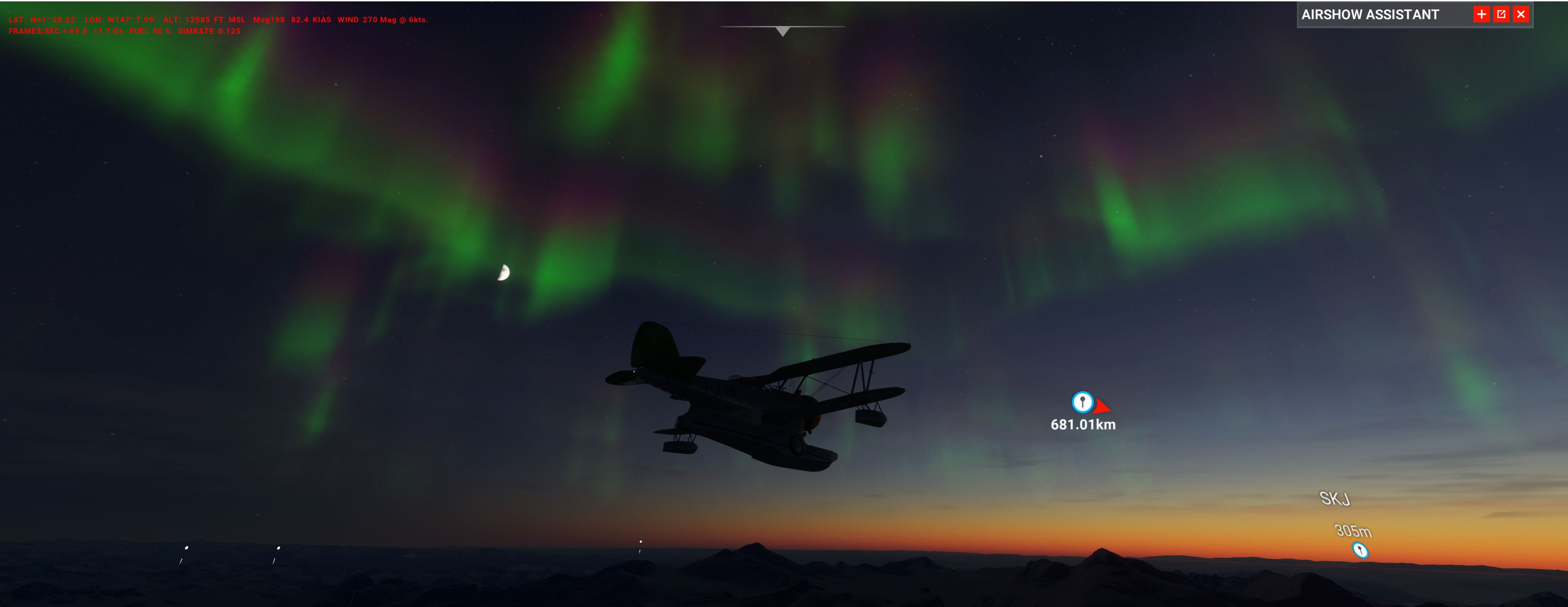
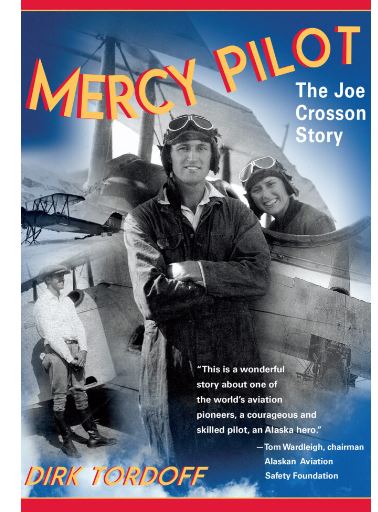
this is the first in a series of alaskan pioneers:
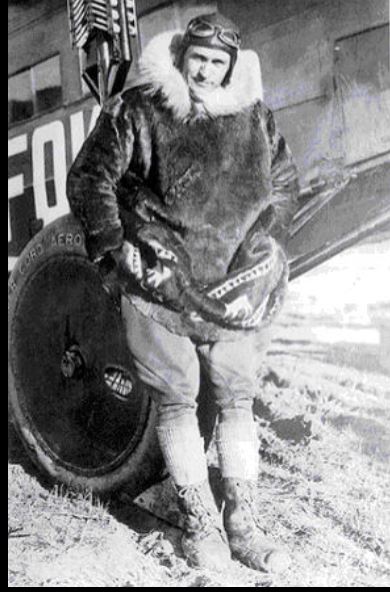
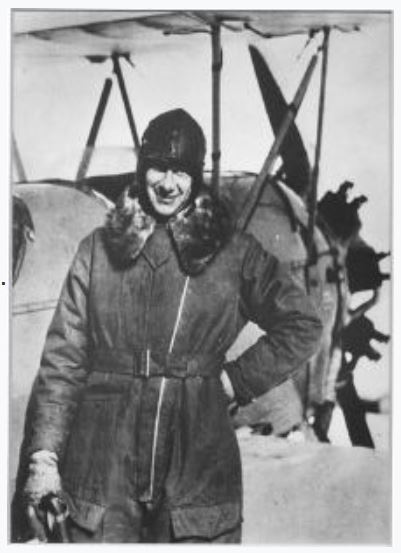
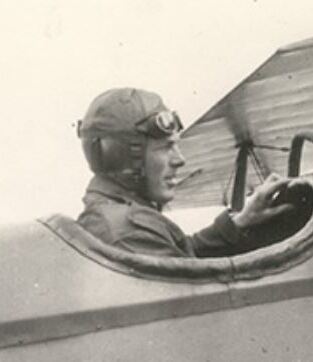
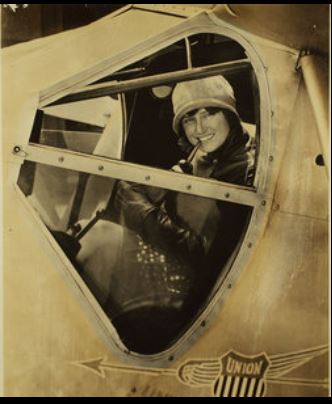
CB Eielson, J Crosson, R Merrill, RC Reeve and RF Jones.
But to begin, lets watch our late granddads taxpayer’s dollars at work:
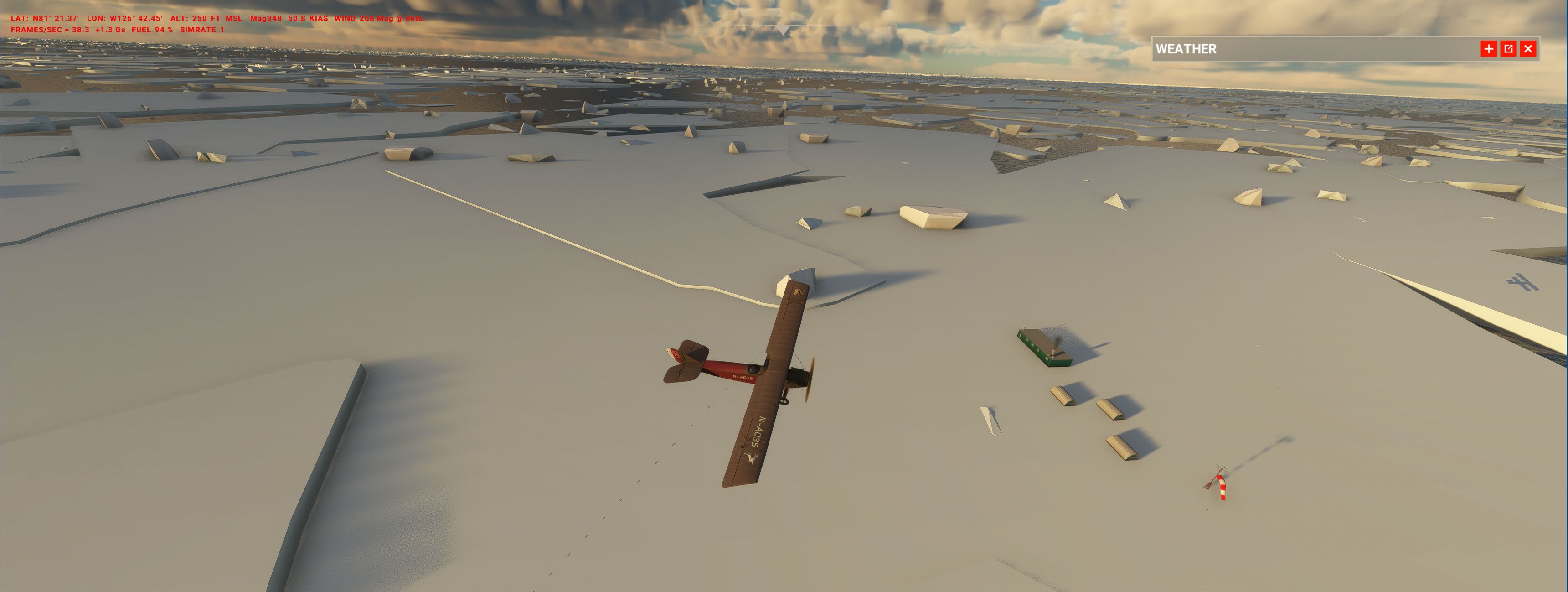
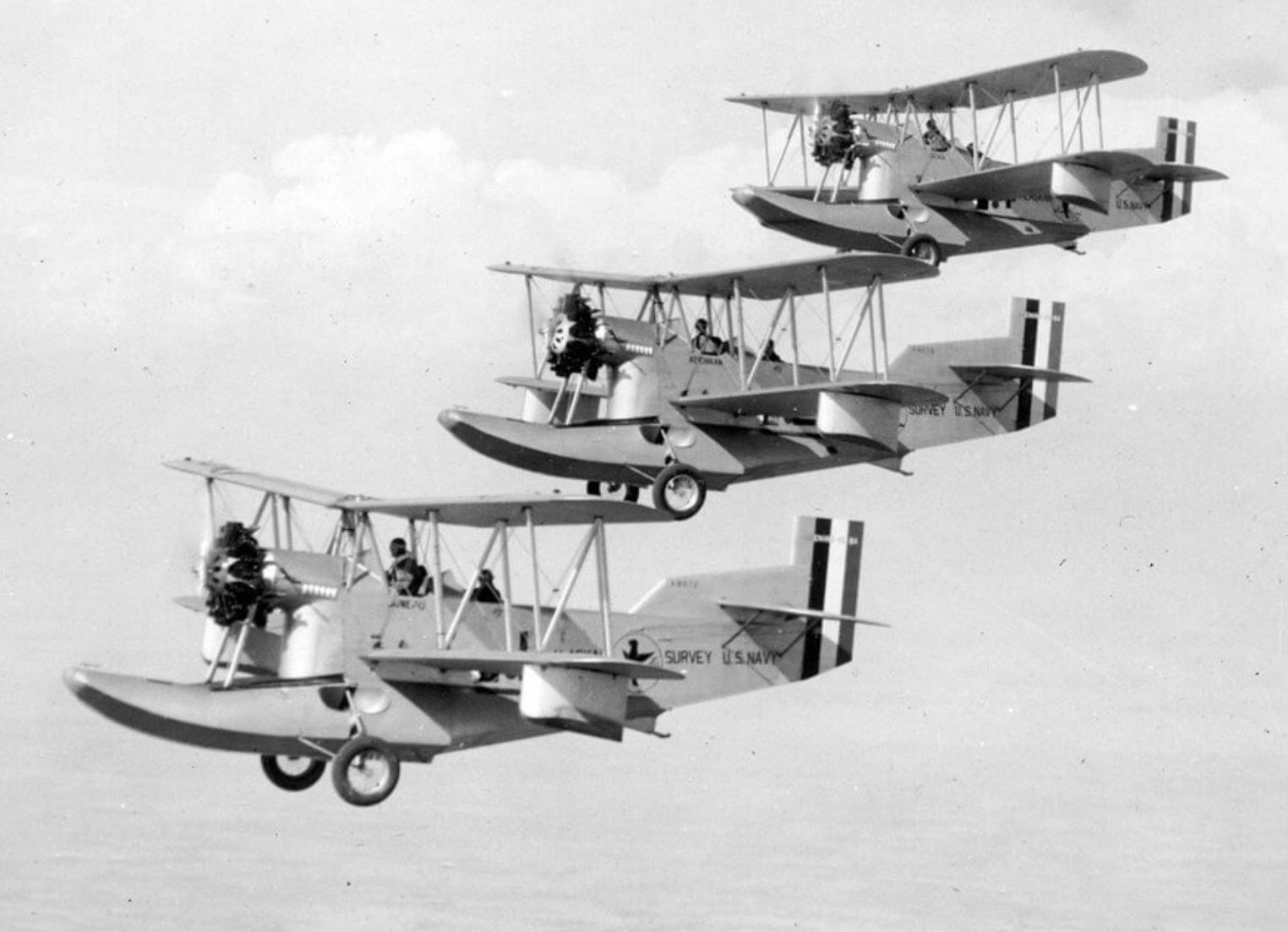
Lt. Ben H. Wyatt was commander of an USN expedition to map large parts of the state - much of which was uninhabited and unexplored.
The team was entirely self-supporting - composed of a tender housing a photo lab and a barge acting as a mobile base .
Aircraft were Loening OL amphibians, a forerunner of our free Duck - with the distictive beak-shaped center float.
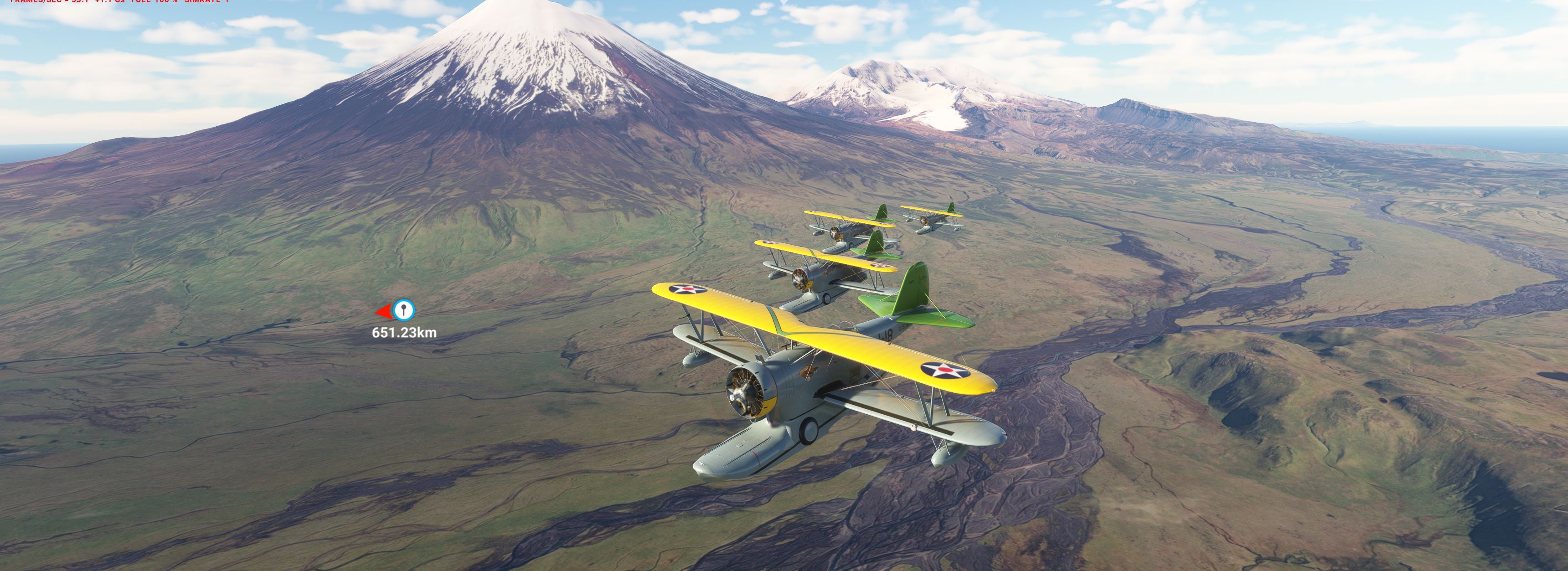
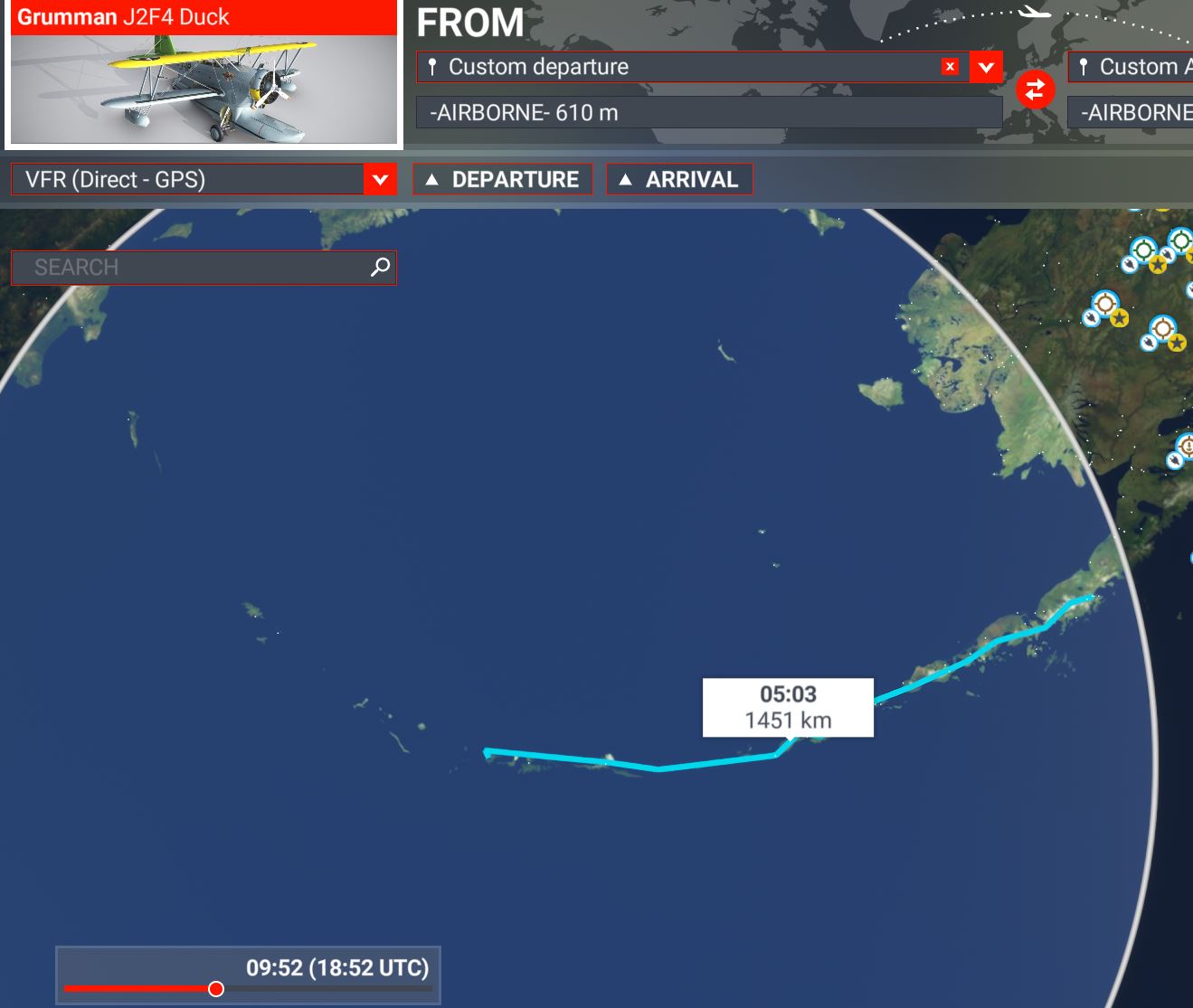
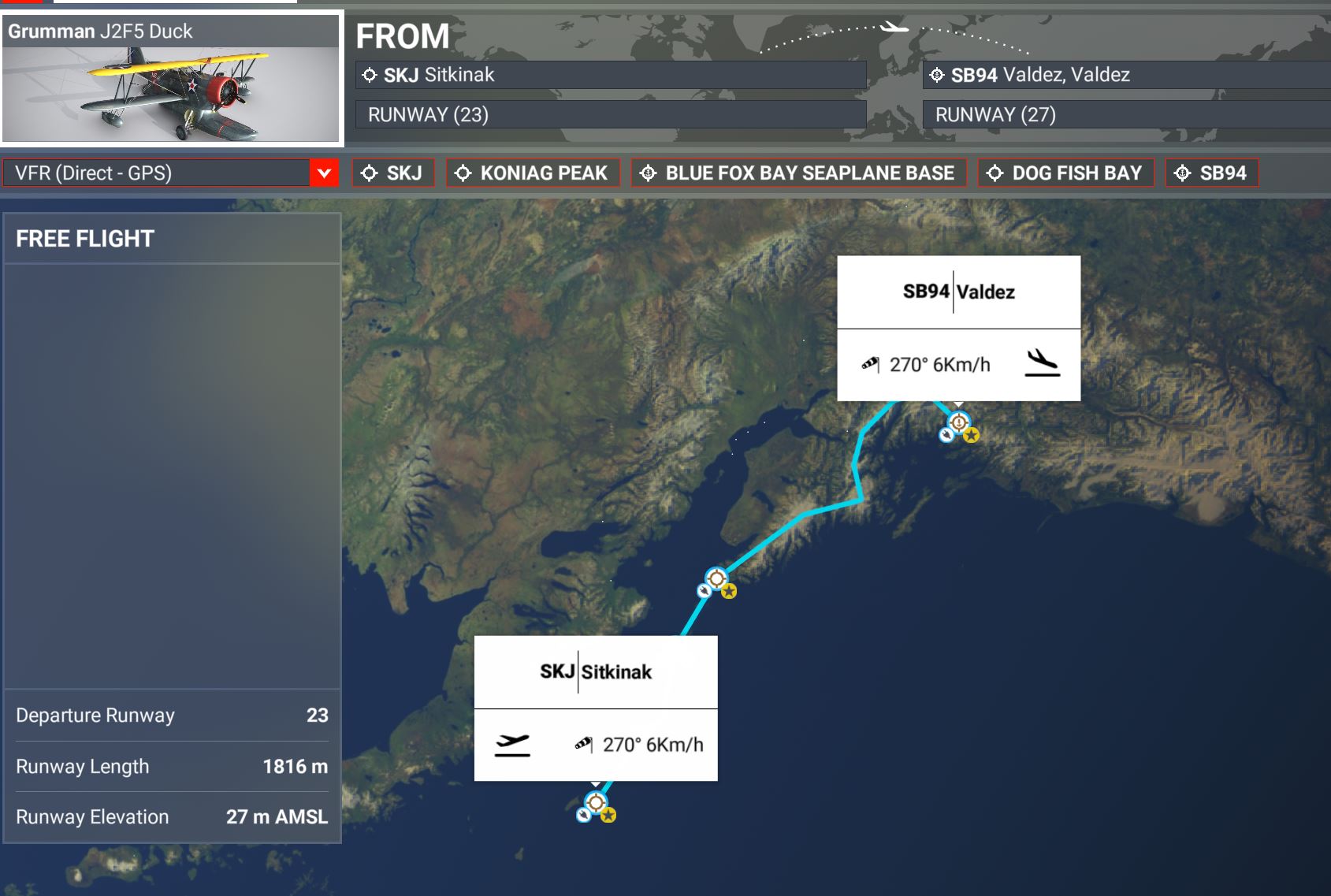
First we fly east along the aleutian chain (circle/photo the volcanos from all sides) …
My last IRL flight with a C-47 was +/- a decade ago from Villavicencio into the Amazon (the plane crashed some months later) with the return by AN-26 , sign of the times.
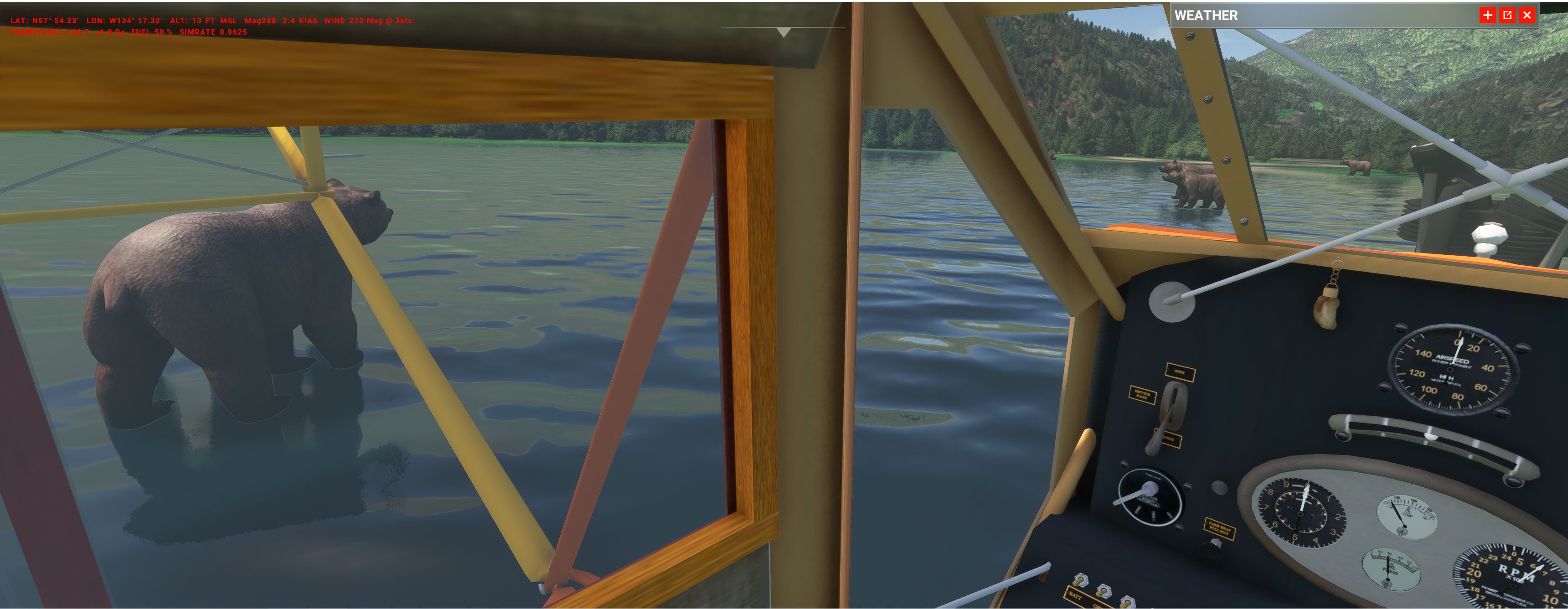
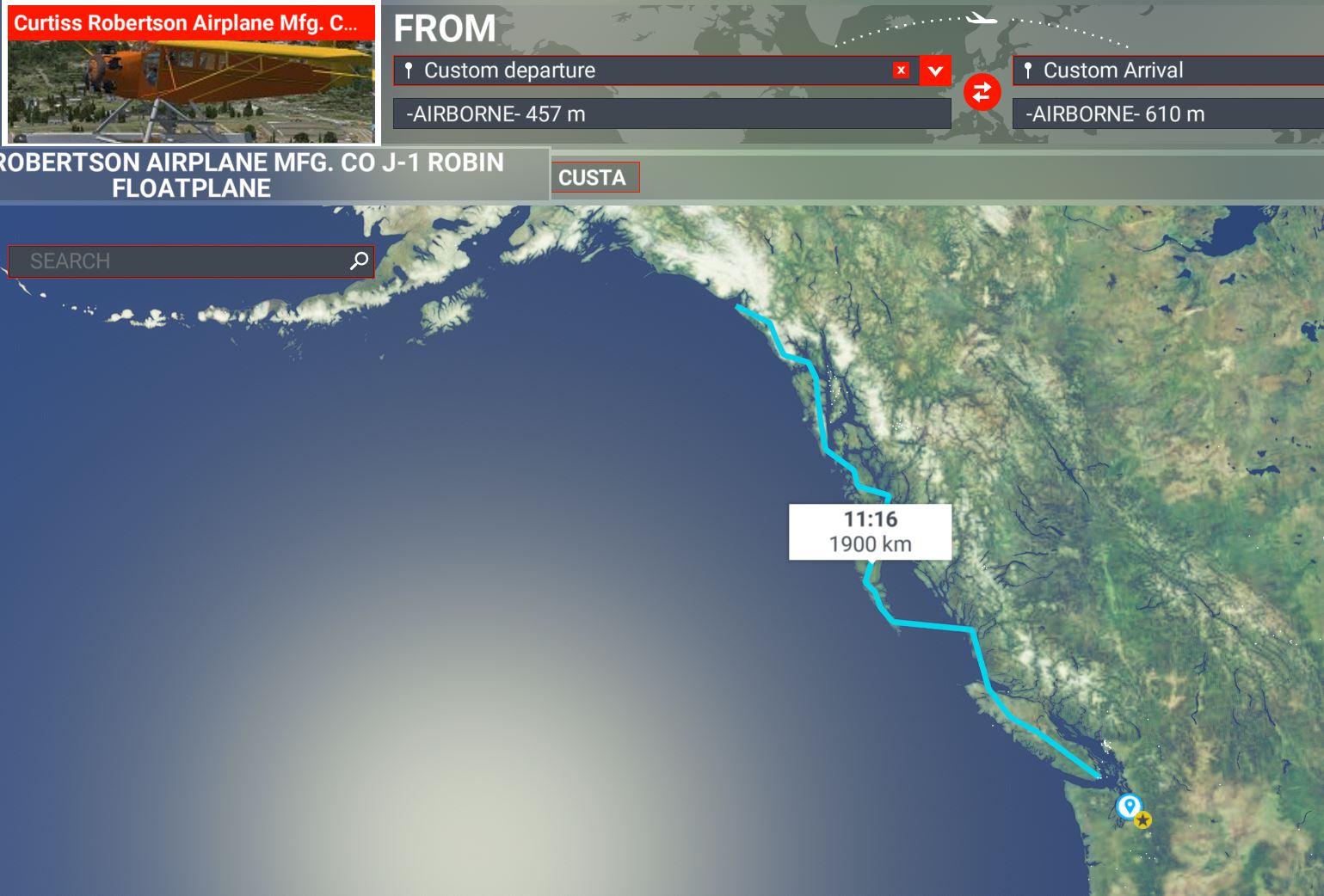
He was by then flying a 1915 Curtiss flying boat and later Boeing floaters along the coast and offshore islands of the Panhandle for all sorts of paid missions.
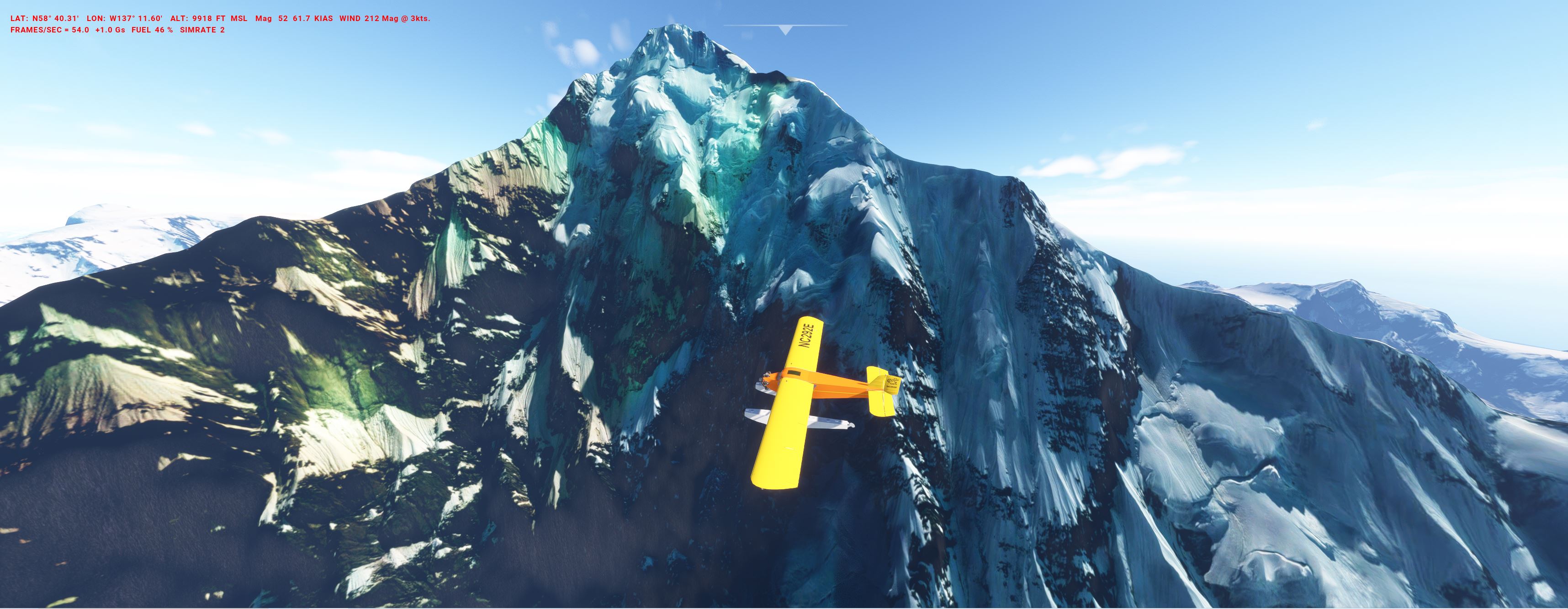
We split his exploits in two, using the free Curtiss float Robin and a number of free seaplane bases:
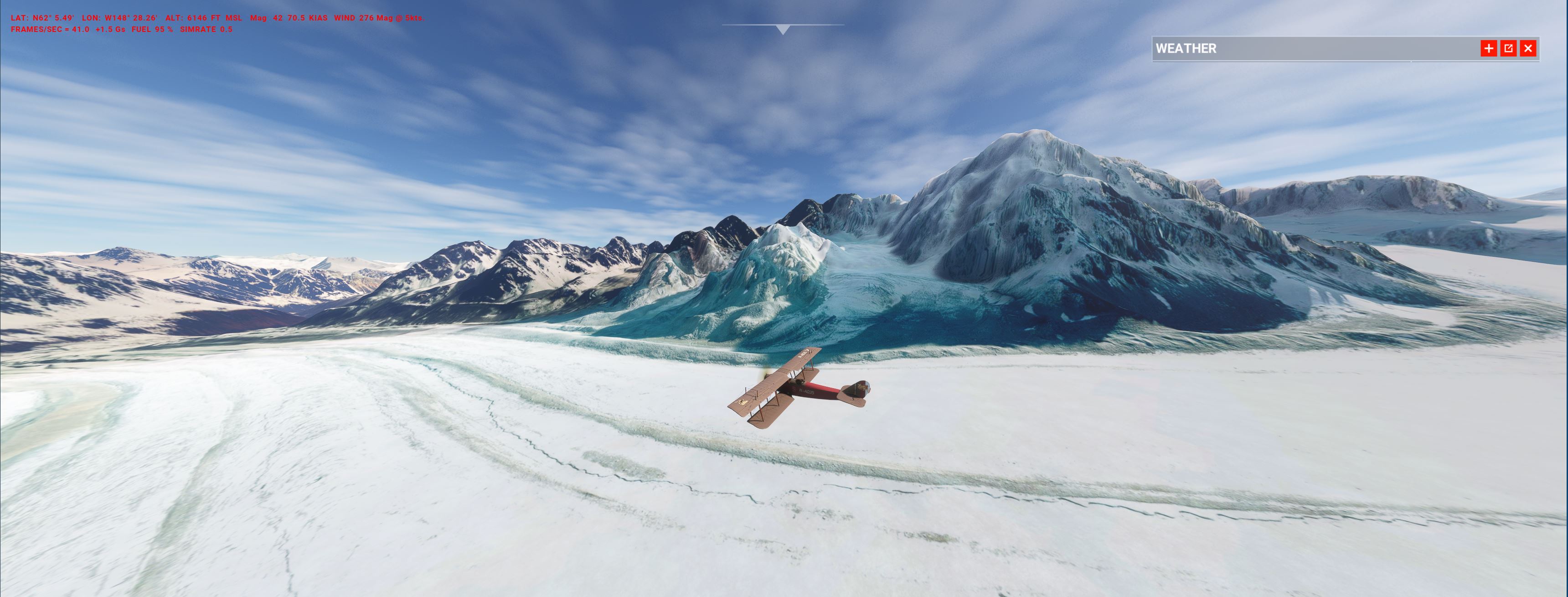
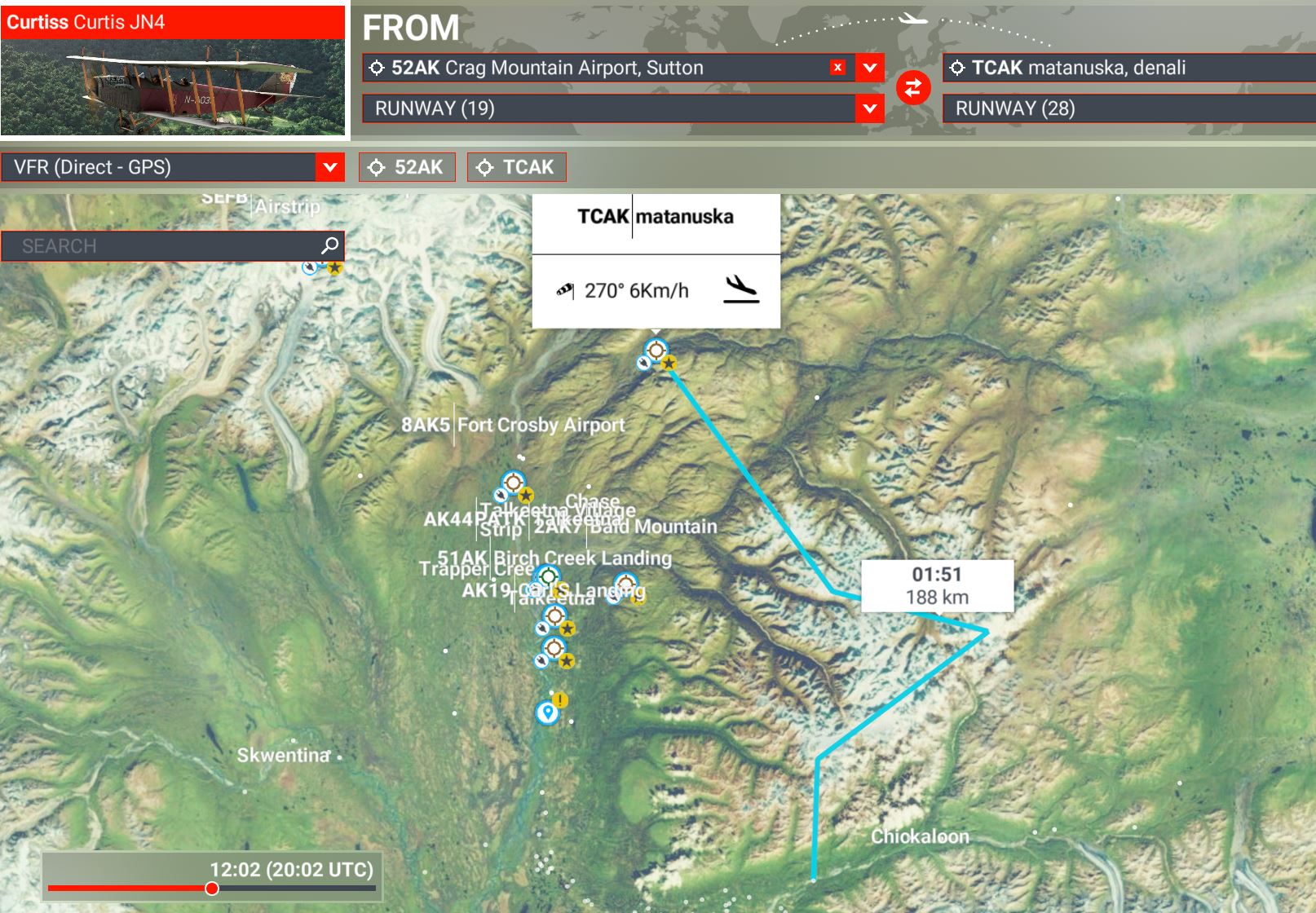
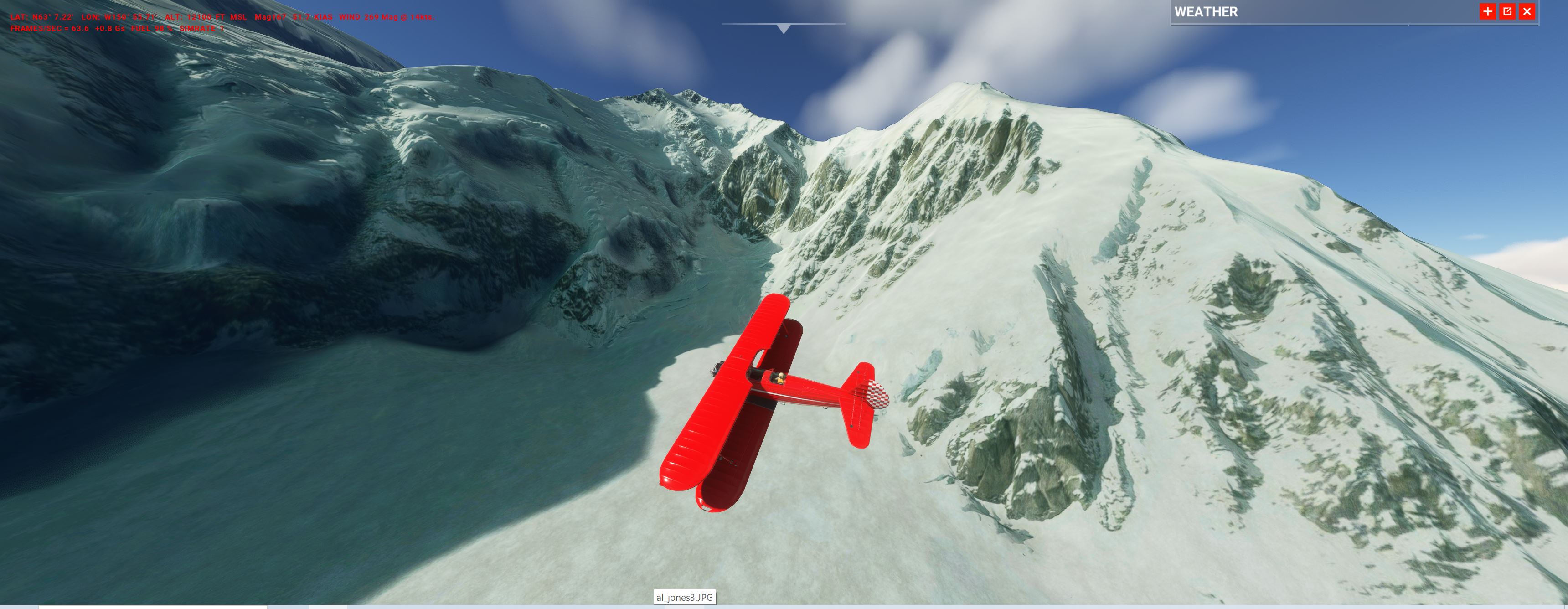
Here we re-enact his first landings (with famous red Stearman NC5415) on the Muldrow Glacier, at Denali’s rarely visited north-east flank: bringing equipment of a cosmic ray expedition up to 5600ft.
At this time sightseeing flights around the mountains became increasingly popular - here she takes tourists to Mt Foraker, Mt Crosson (sic) and Mt.Torbert in a Fokker.
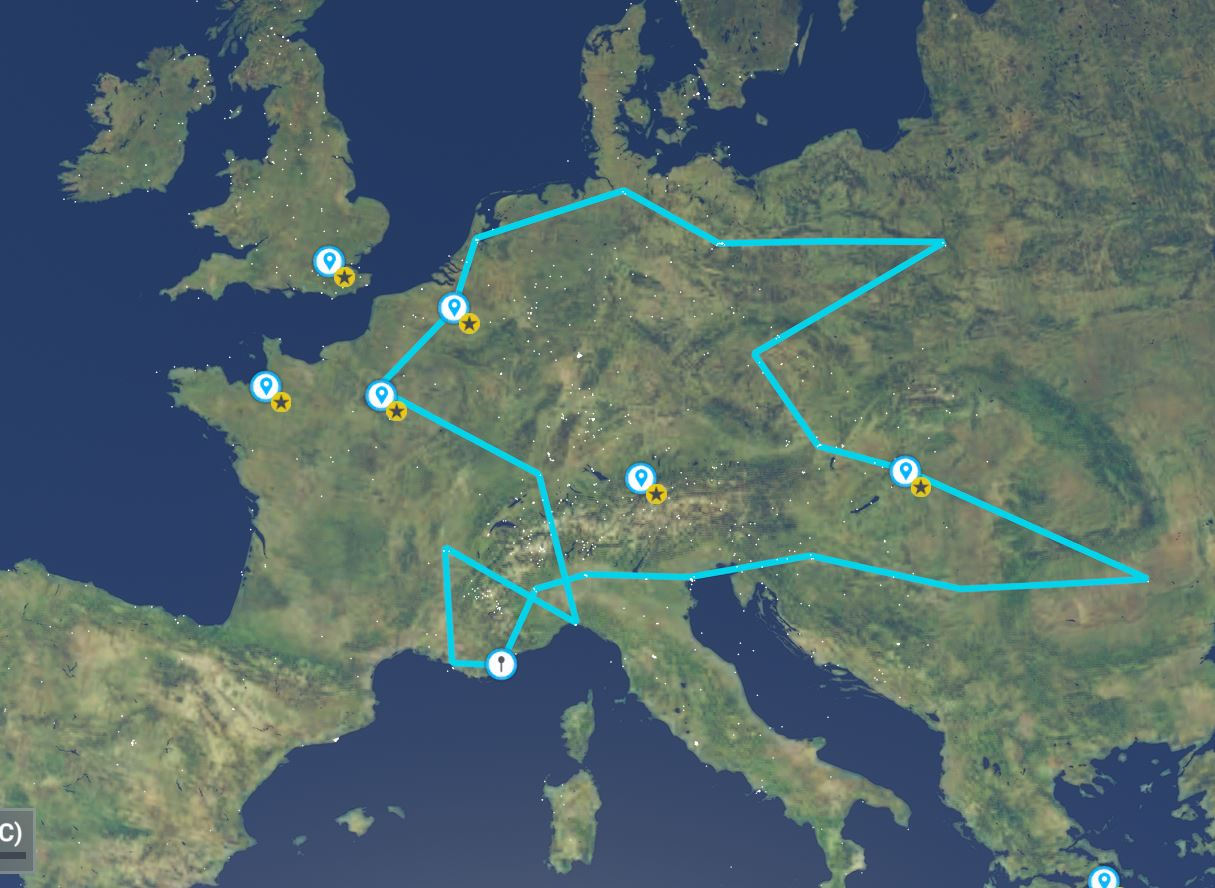
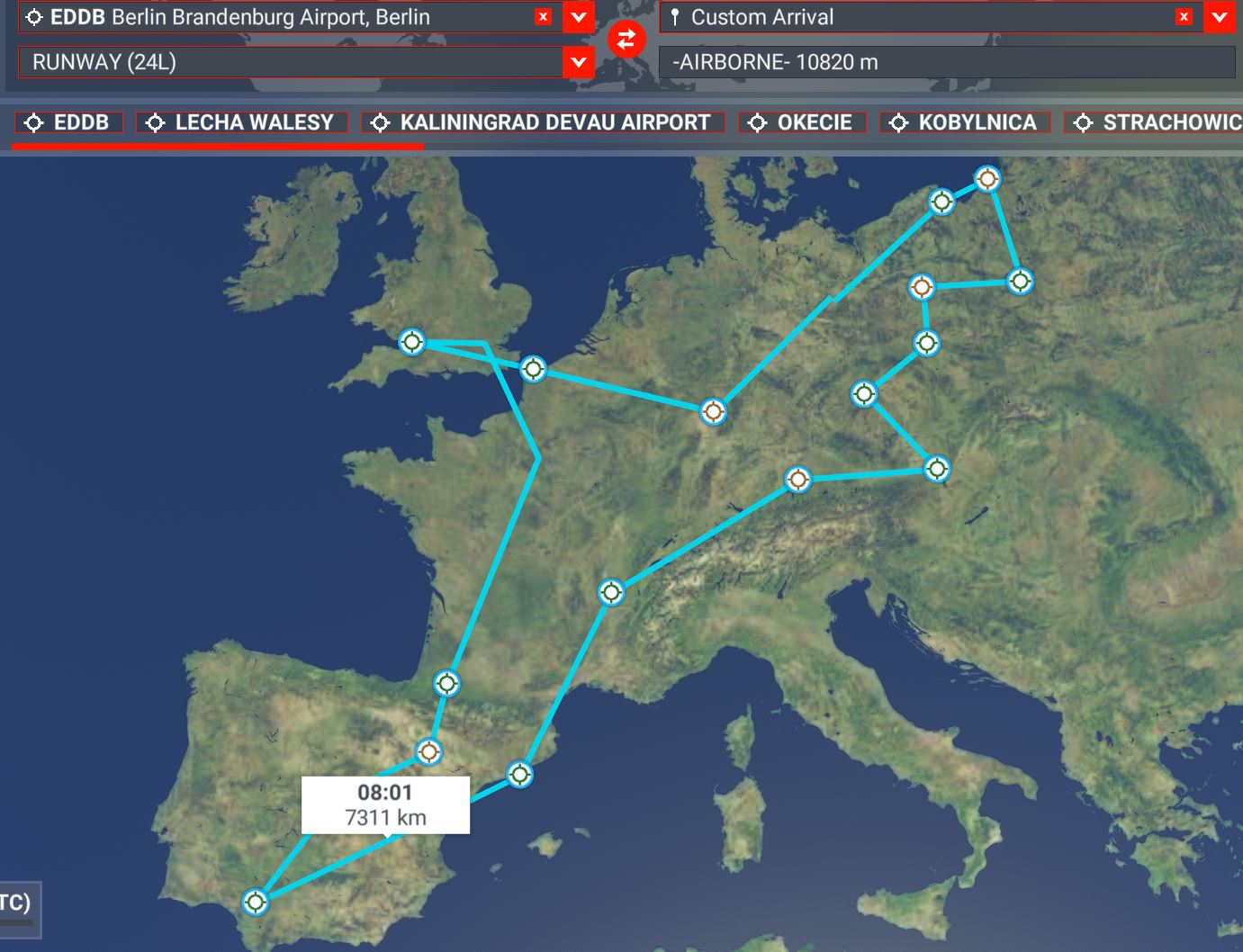
The idea of a tourist- and sports- plane contest in Europe was conceived by the Aéro-Club de France.
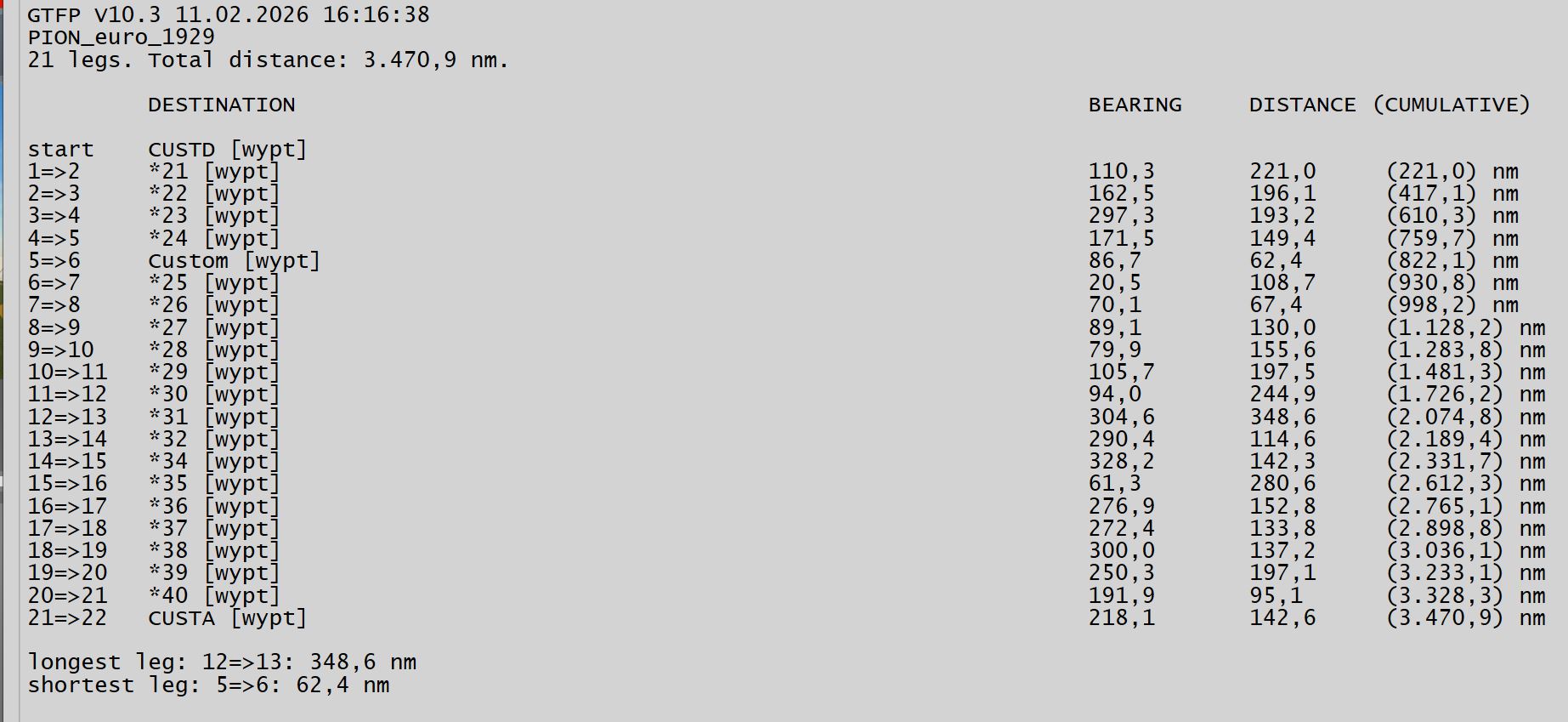
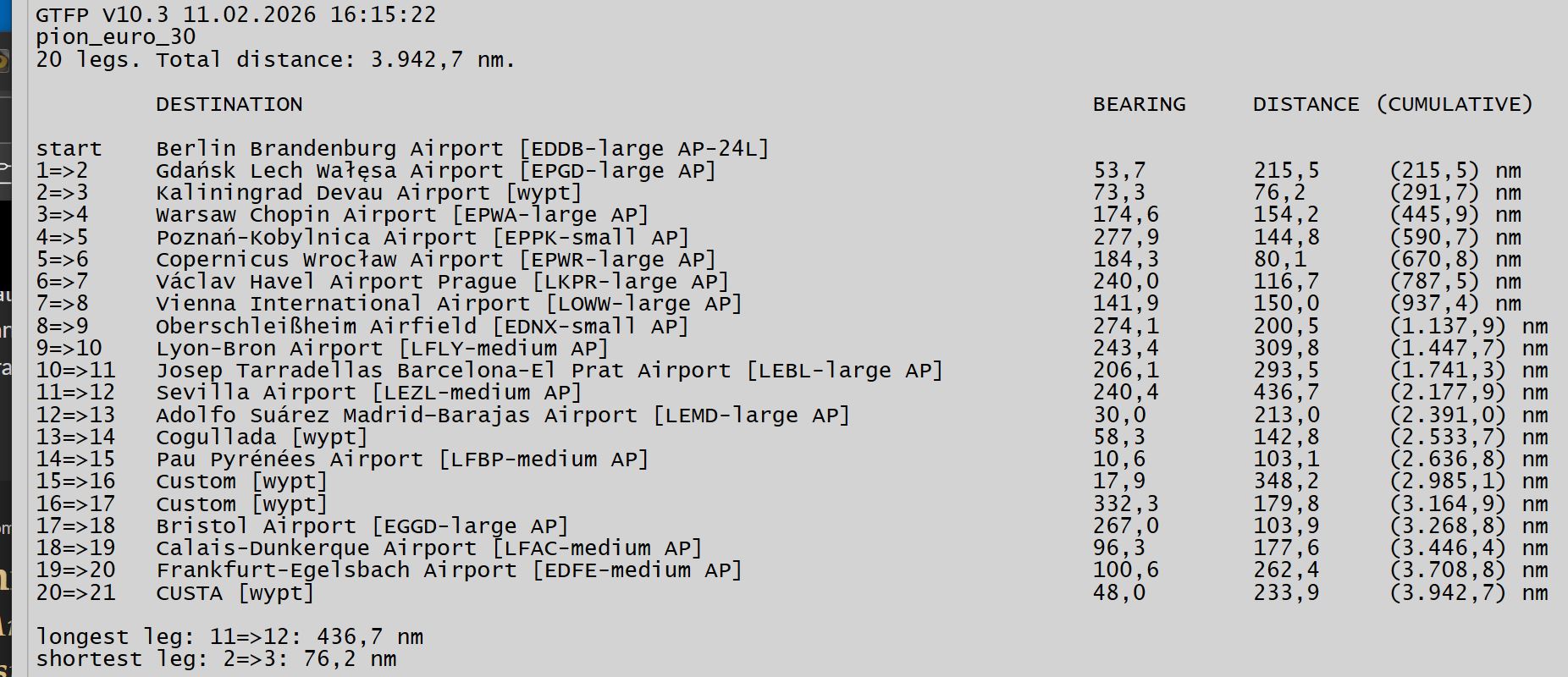
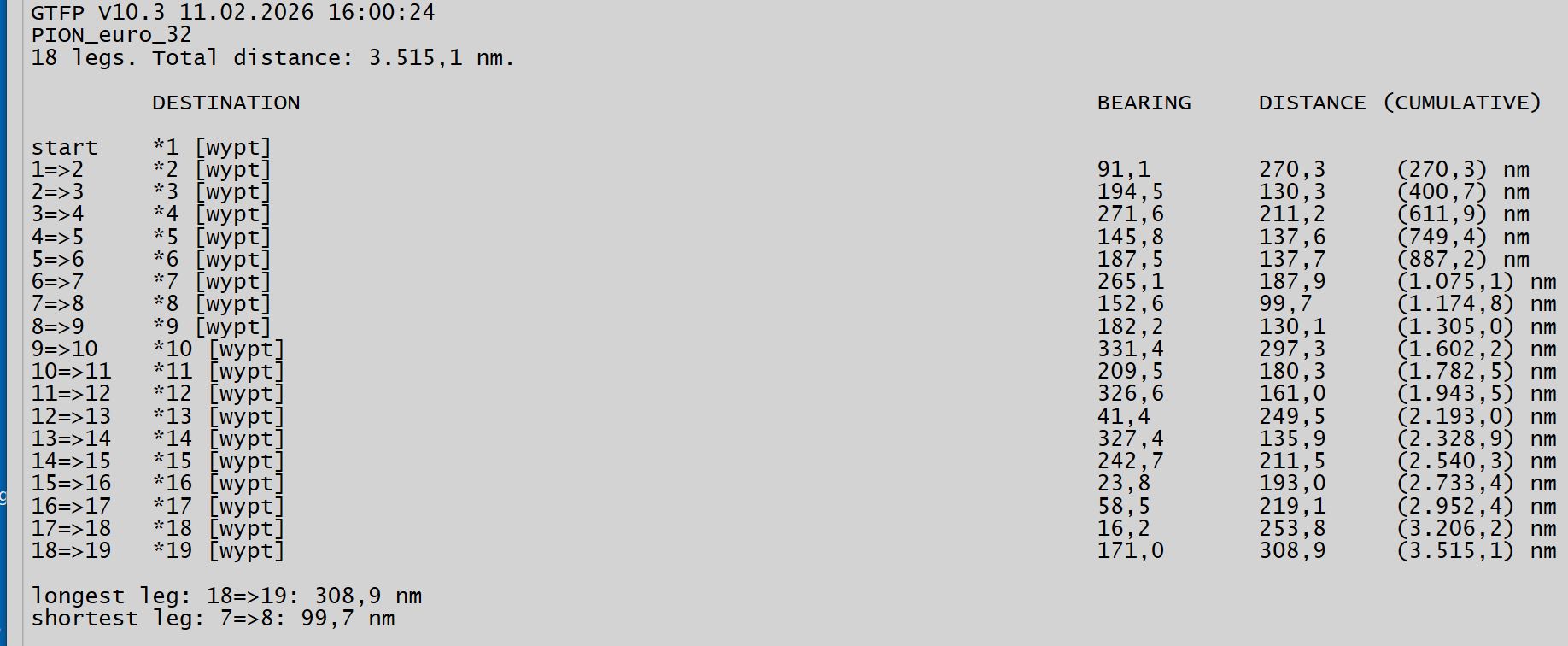
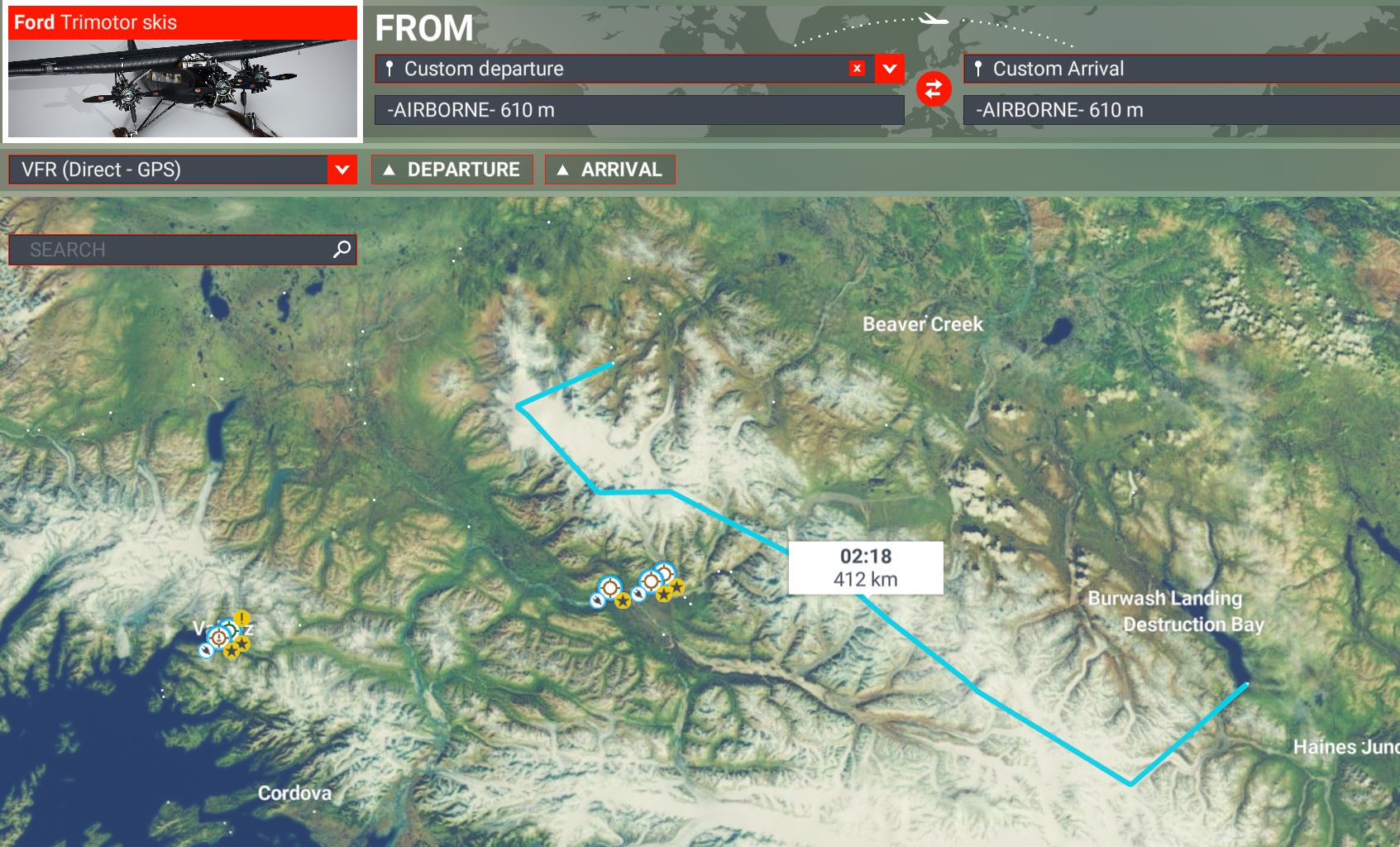
For purists (and multiplayer ) I present the WPs bearing/distances via the indispensable GTFP-Tool. As the airport situation was totally different compared to today you might pick your local landing fields.
1929: 1st CIT
opened/ended in Paris with 55 planes from 6 countries. Main part was a 6400 km rally across Europe, over 24 main cities and crossing the Alps twice.
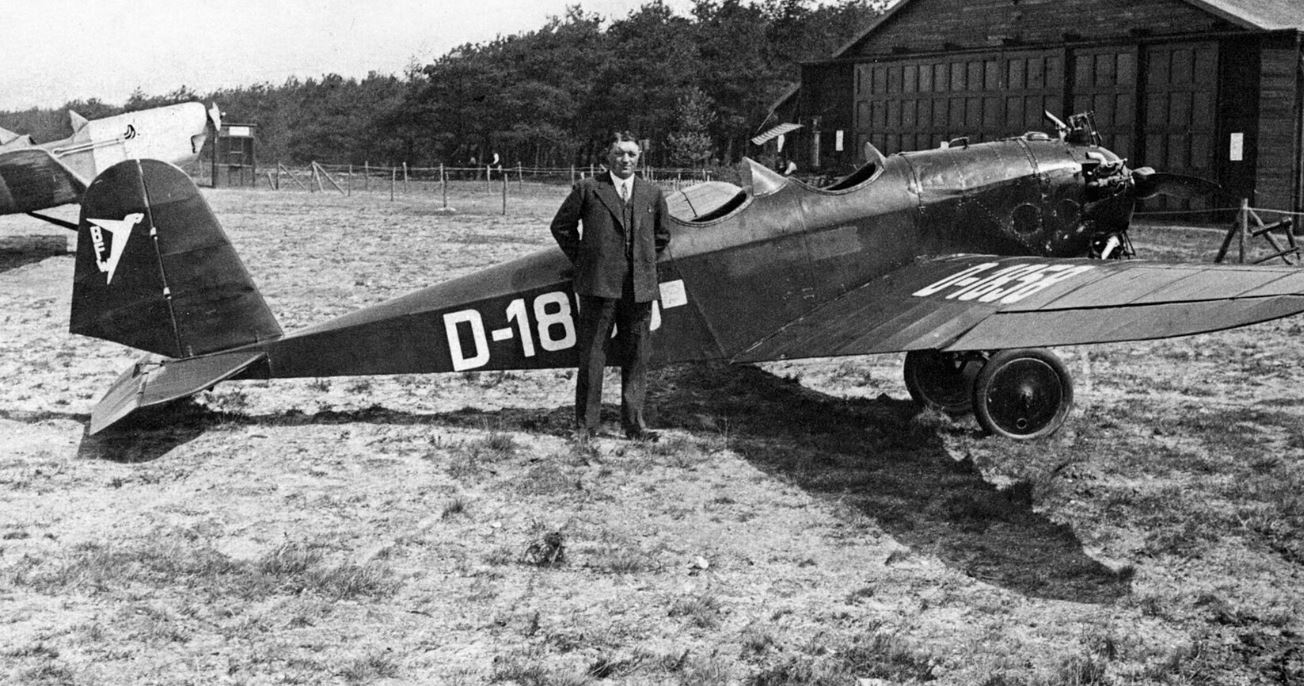
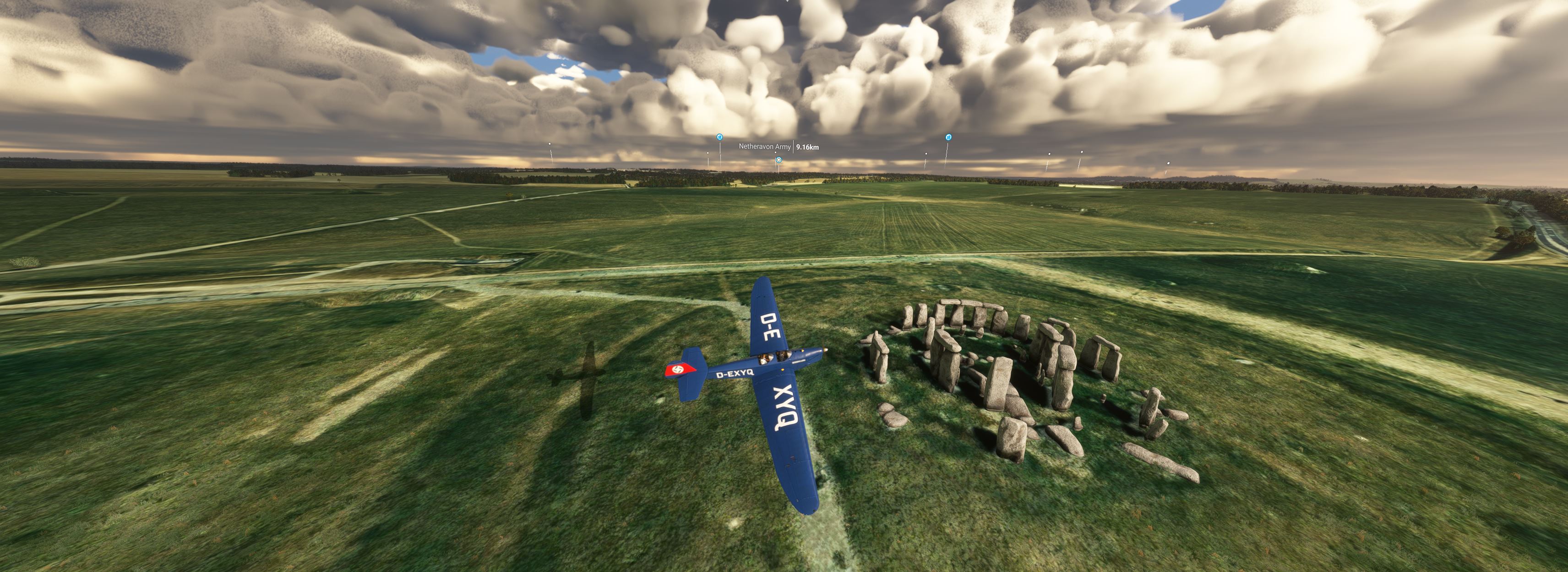
German Fritz Morzik won on a Messerschmitt M23:
1932: 3rd CIT
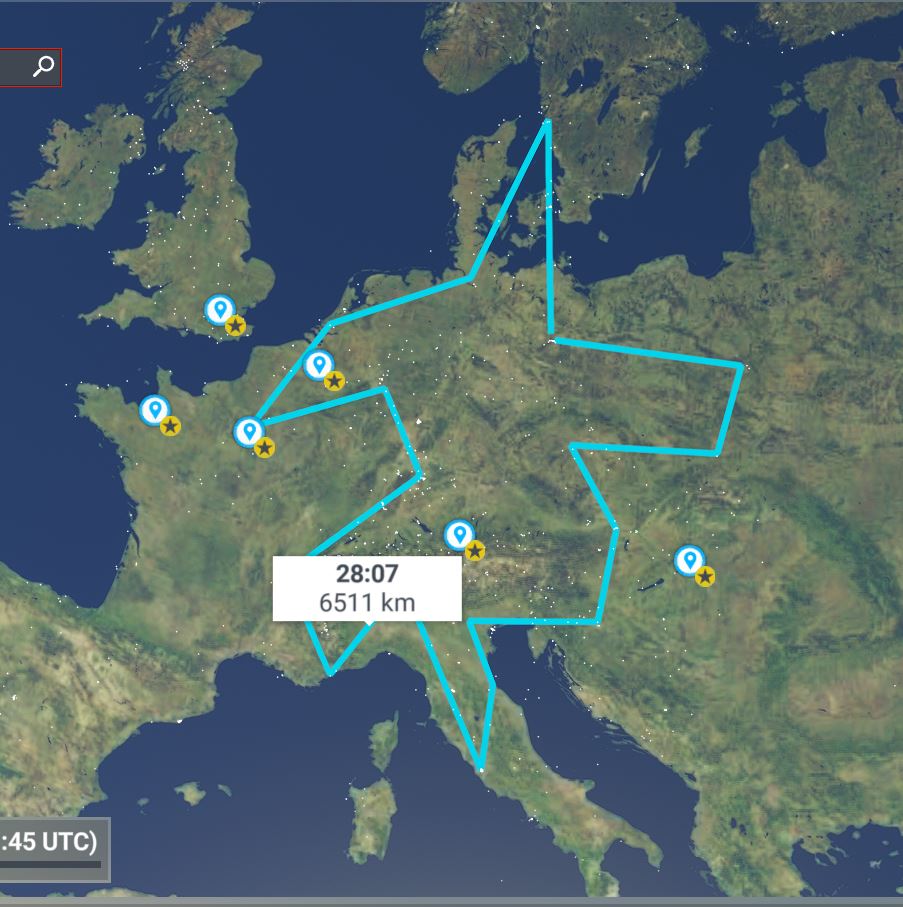
A 6500km trip from Berlin again, including Sweden and into mid Italy.
Aircraft now had to be able to get at least two passengers aboard, have STOL-capability (pic: dramatic start of a RMD-6, the overall winner) and good cruising speeds.
There were no CITs (Europarundflüge) in 1931 and 1933. I had covered the last (1934) rally with a Me-108 already here:
[SAHARA ORIENTAL: east to west - Discussion Hub / World Discovery - Microsoft Flight Simulator Forums](SAHARA ORIENTAL: east to west - #16 by RegentFalke4131
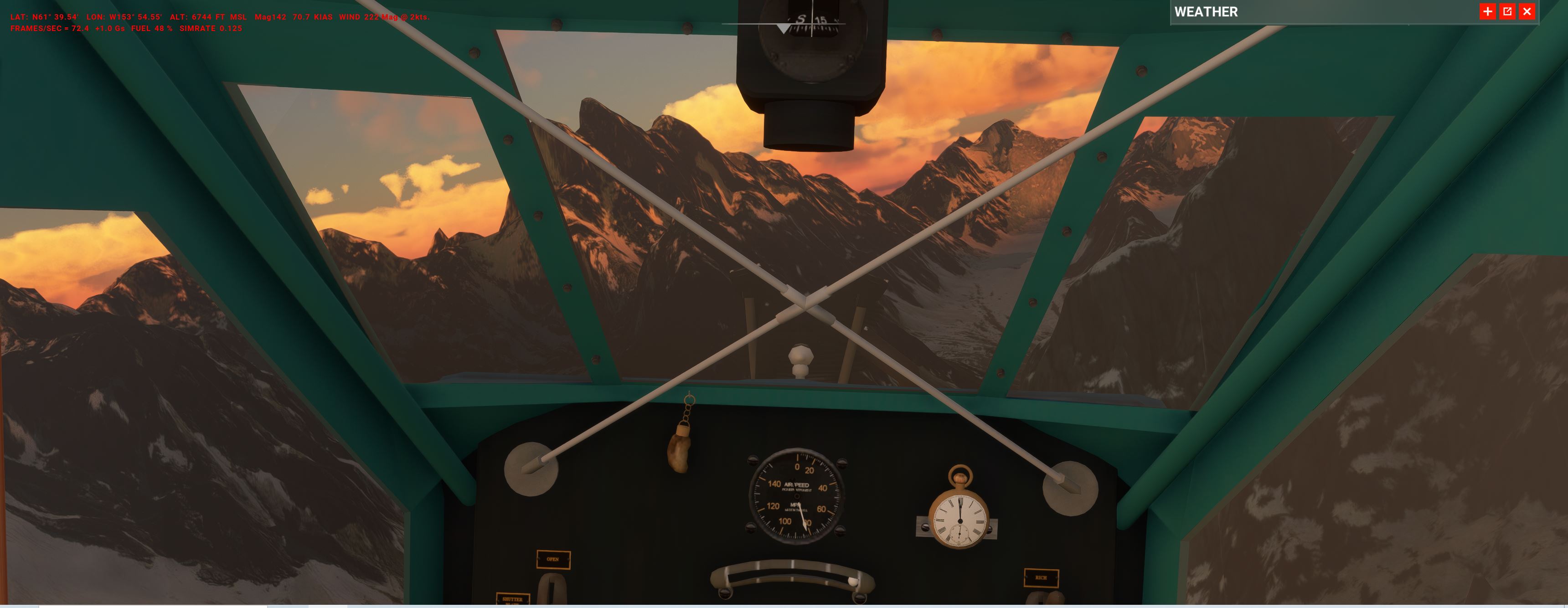
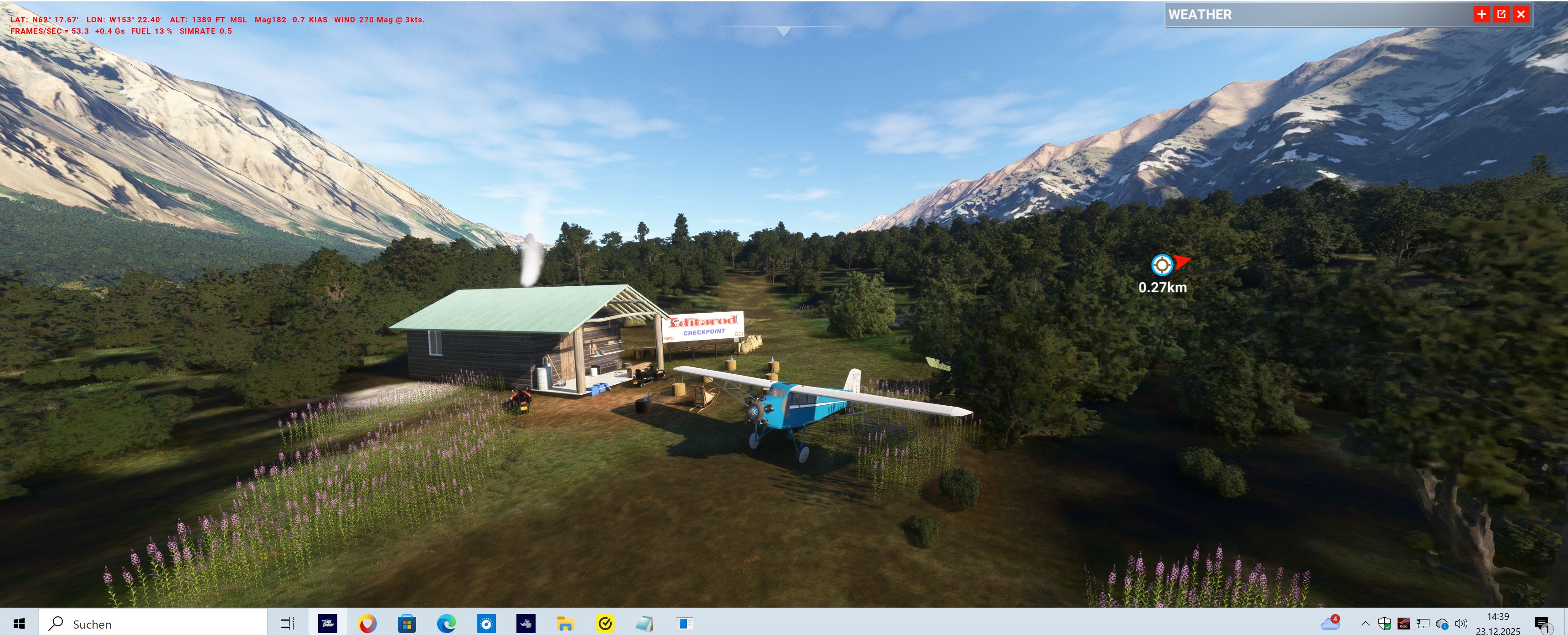
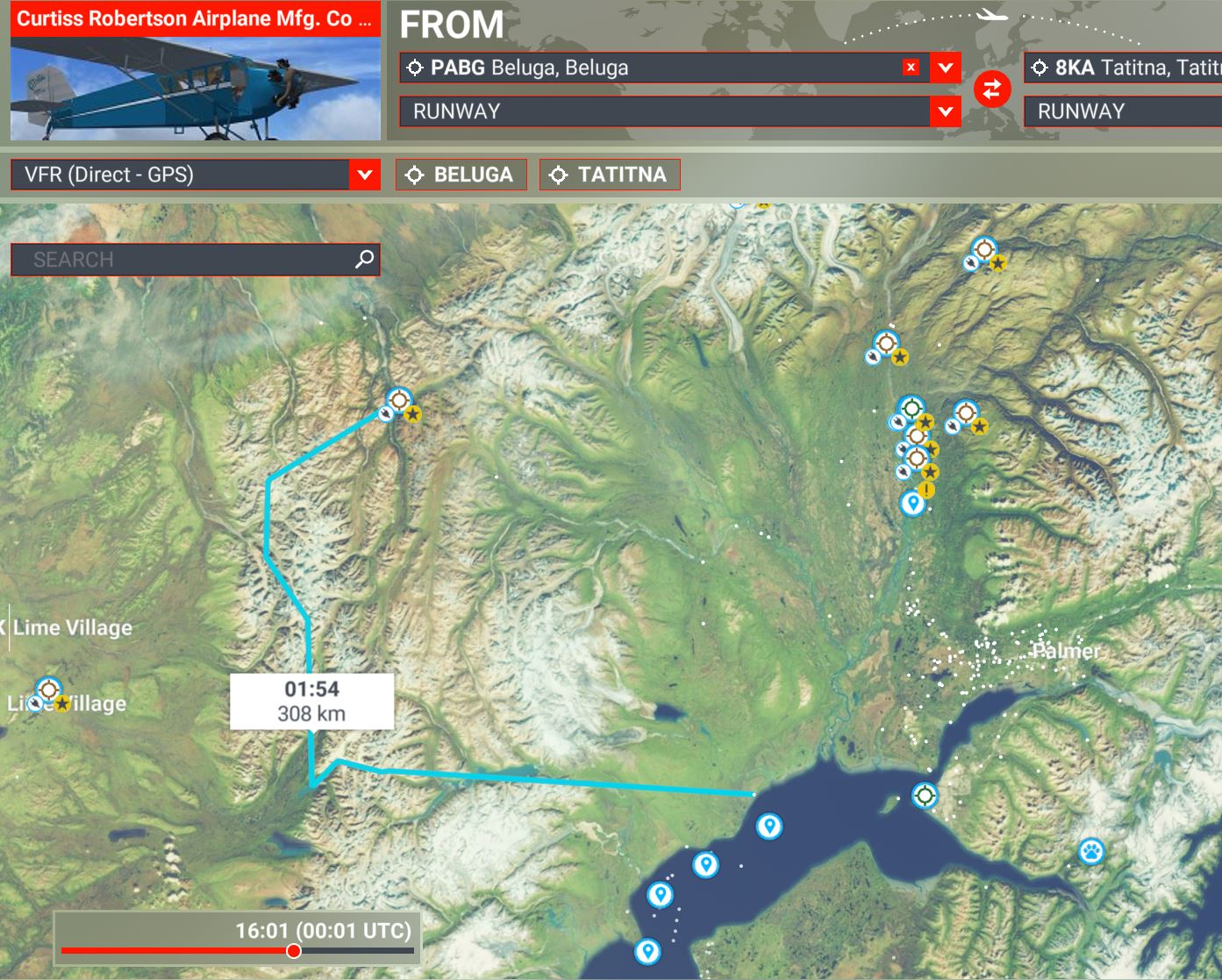
Nov.1927 he discovered the pass that was later to be named for him: a direct, low-elevation, shorter, quicker route across the Alaska Range to the Kuskokwim region.
C. 1937 Robert Campbell Reeve
flew in the 1920s the longest aviation route in the world (Lima-Santiago-Montevideo - over the Andes) with Ford Trimotors.
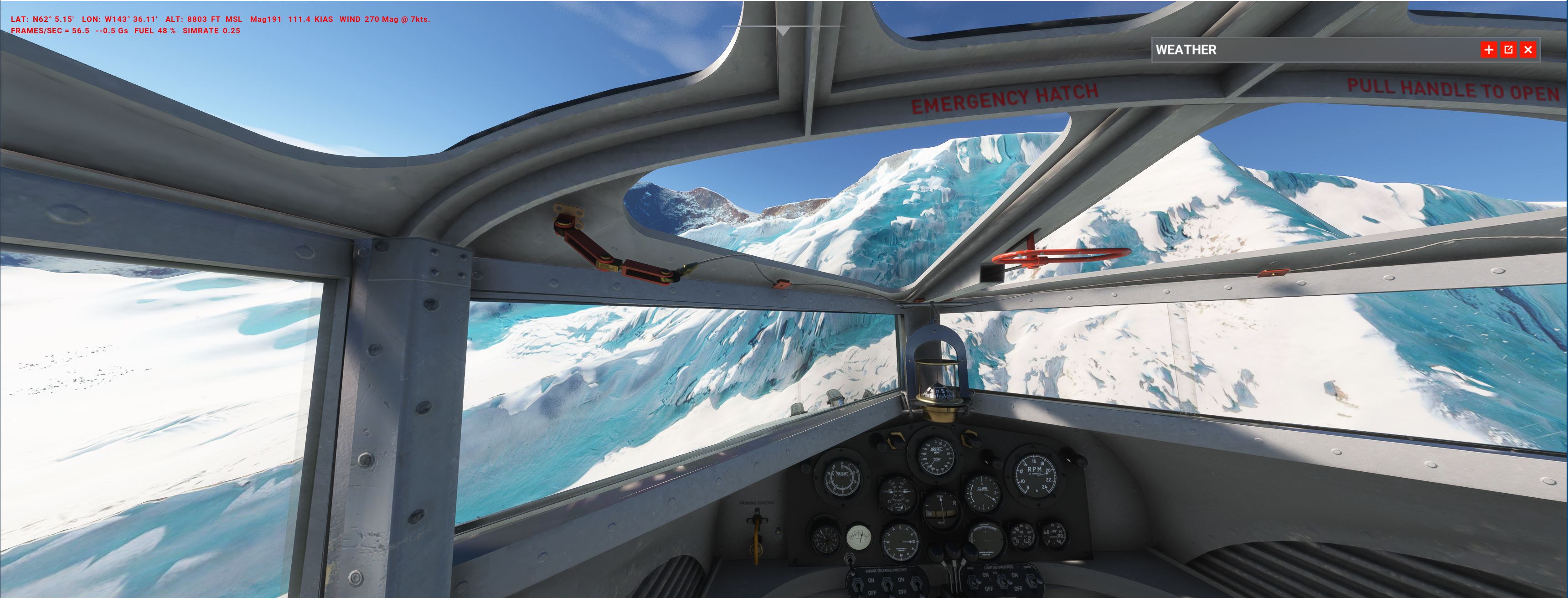
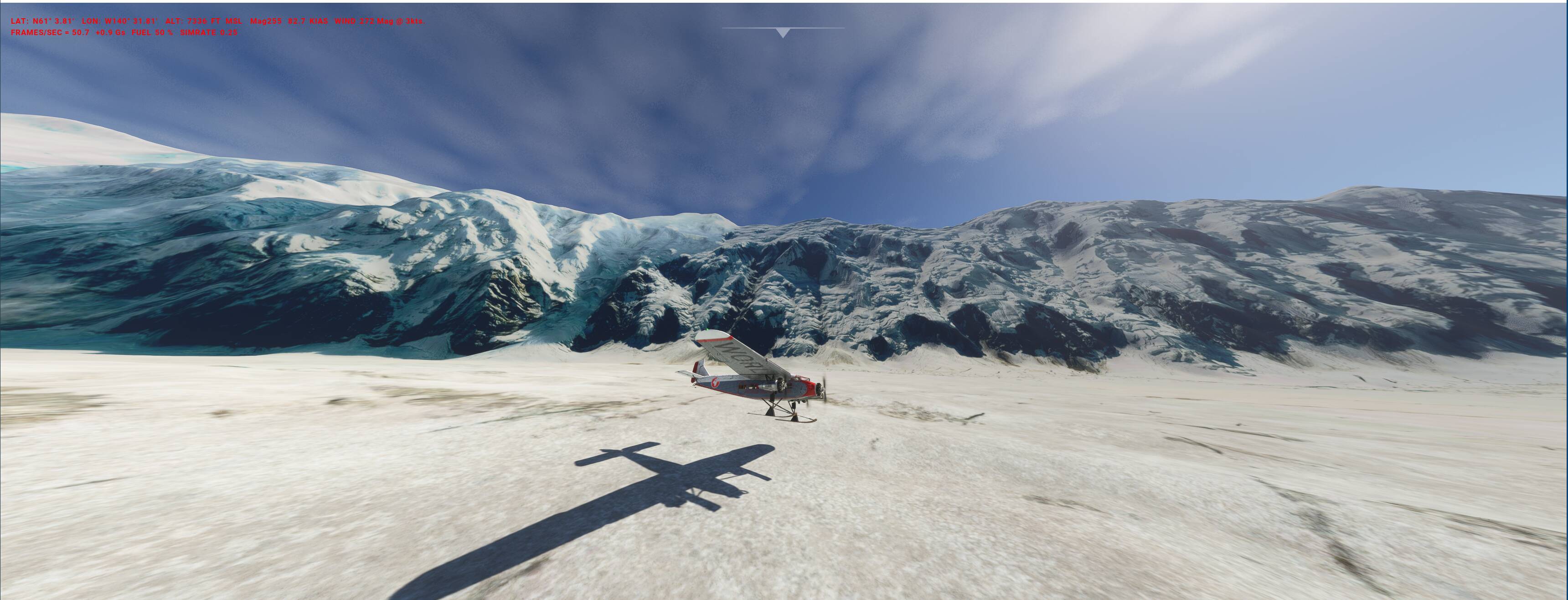
Here we transport a climbing party with gear to the base of Mount Lucania in the St. Elias range, at the time, the highest unclimbed peak in North America: on the occasion Reeve broke the world’s record for the highest landing (at 8,500 ft) on skis.
Two of those three died in crashes, it shows how dangerous the times were. There are other pioneers to look into: Charles “Harold” Gillam, Merritt D. “Kirk” Kirkpatrick, Merle “Mudhole” Smith and more.
















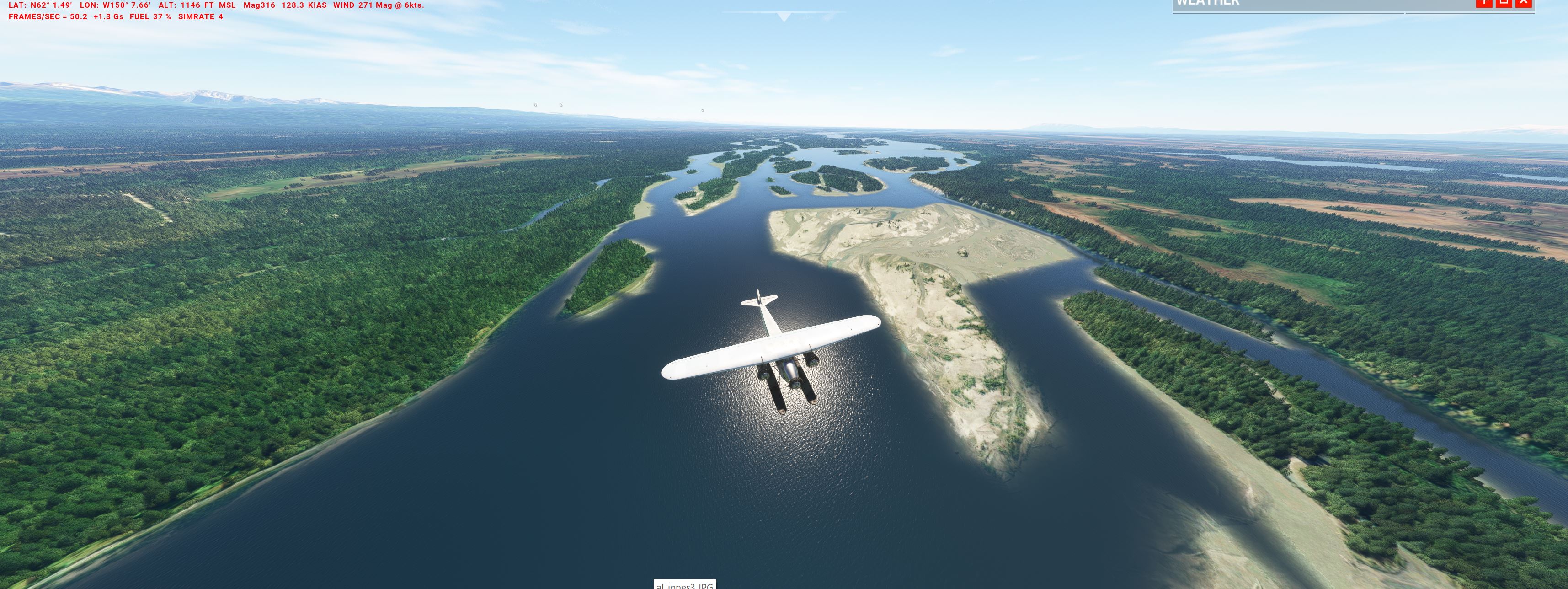
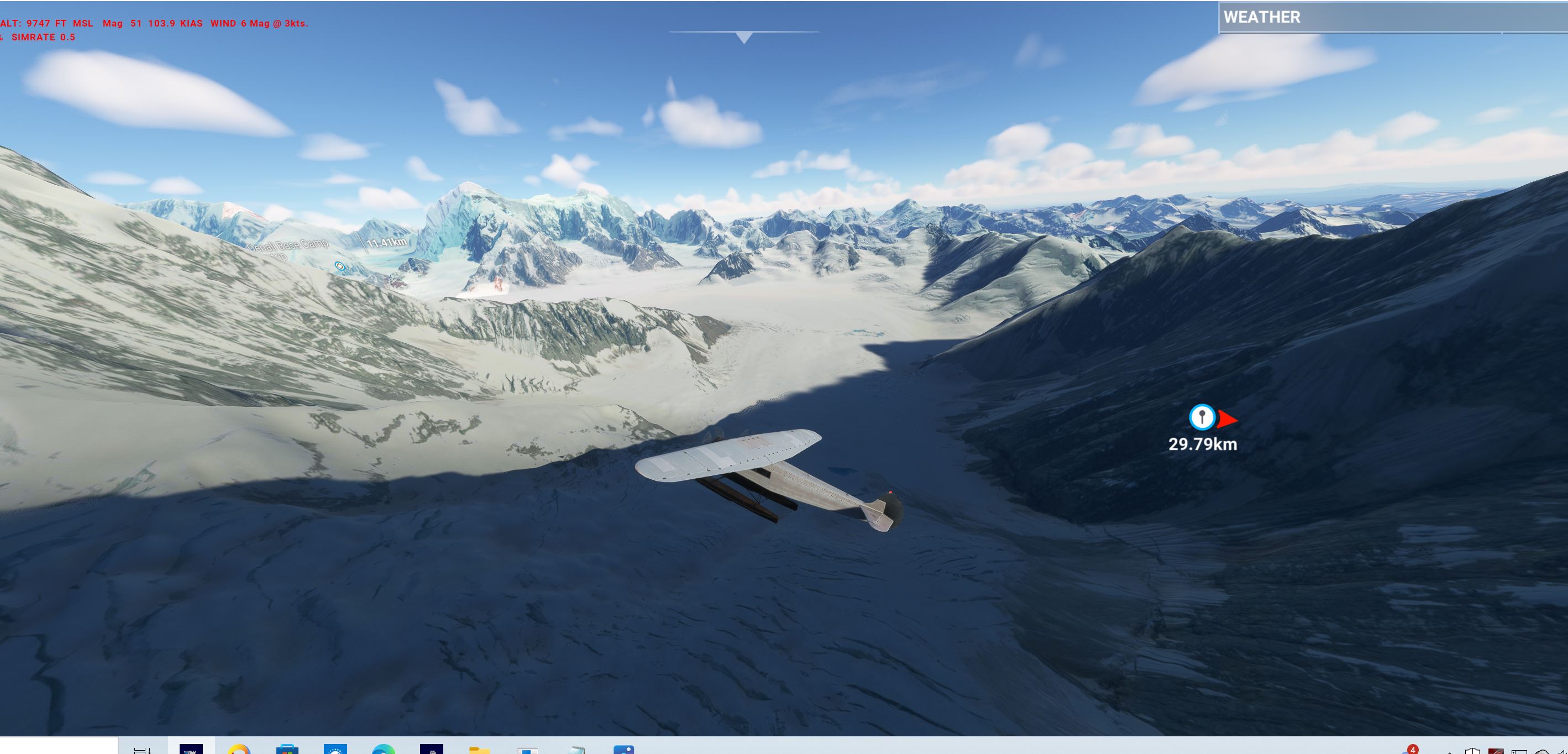
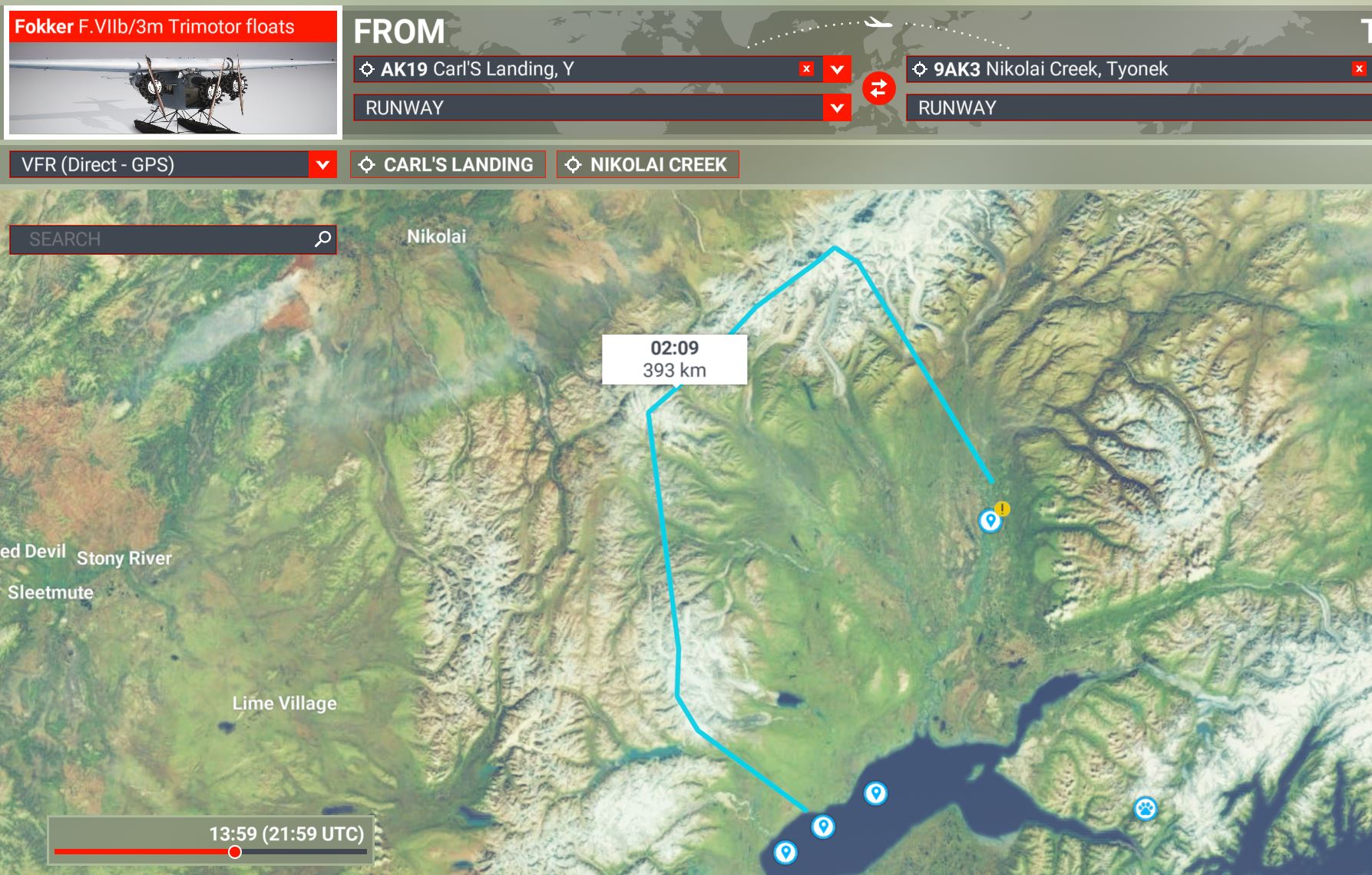
 ) I present the WPs bearing/distances via the indispensable GTFP-Tool. As the airport situation was totally different compared to today you might pick your local landing fields.