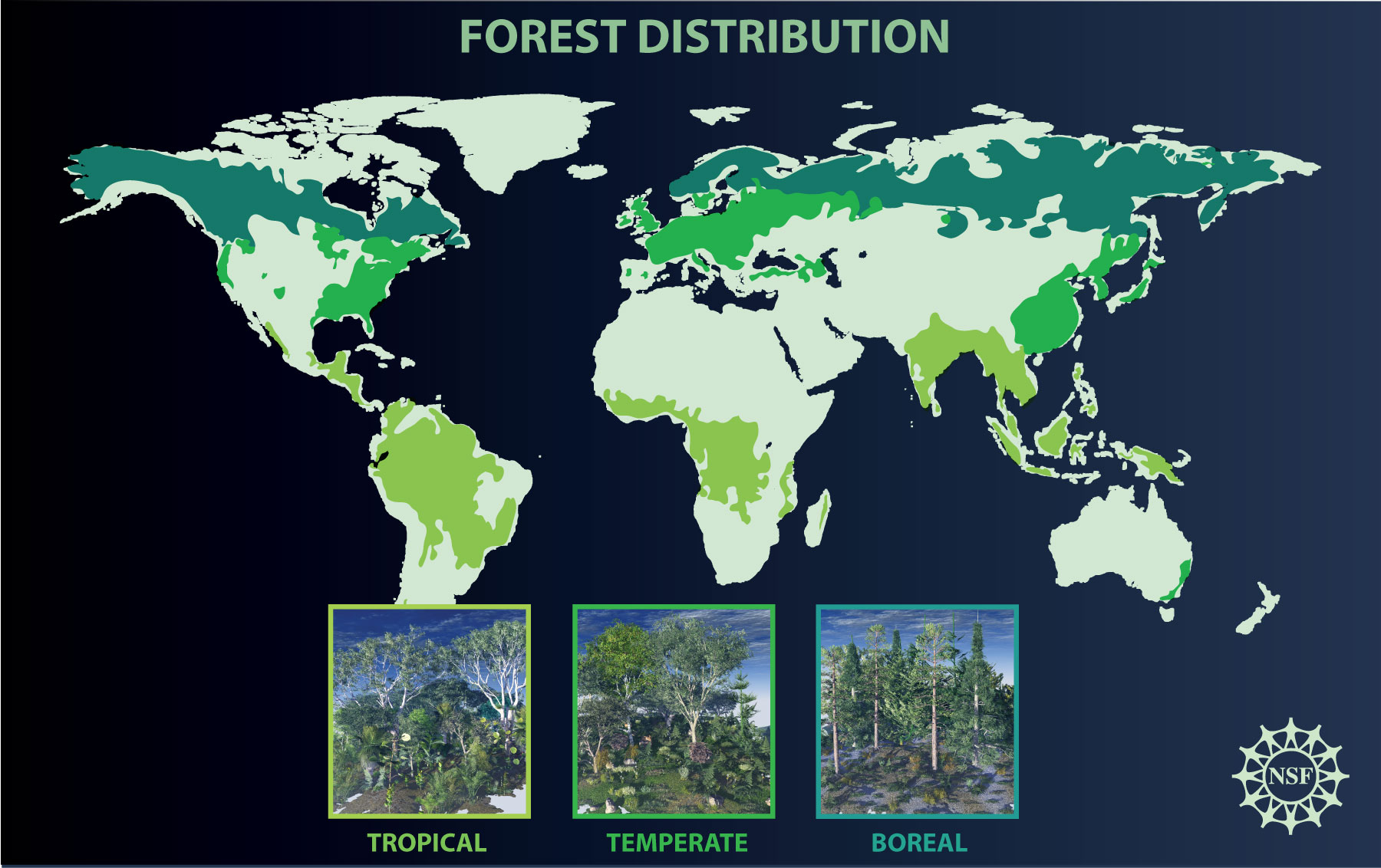
Noticed something a bit annoying in MSFS.. most trees shown in the sim have a pyramidal shape like cypress or conifer trees in the north. its geographical distribution is completely disproportional in the sim.
For example -in the sim:
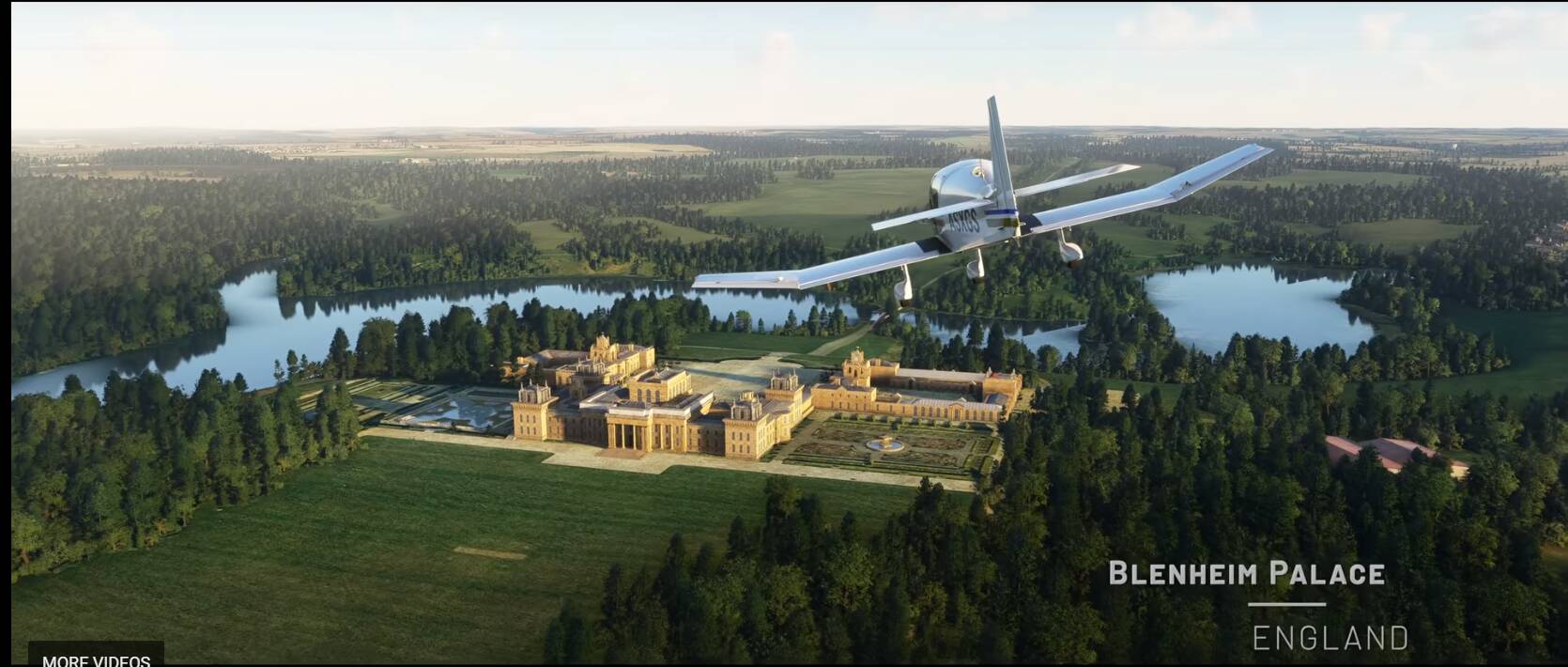
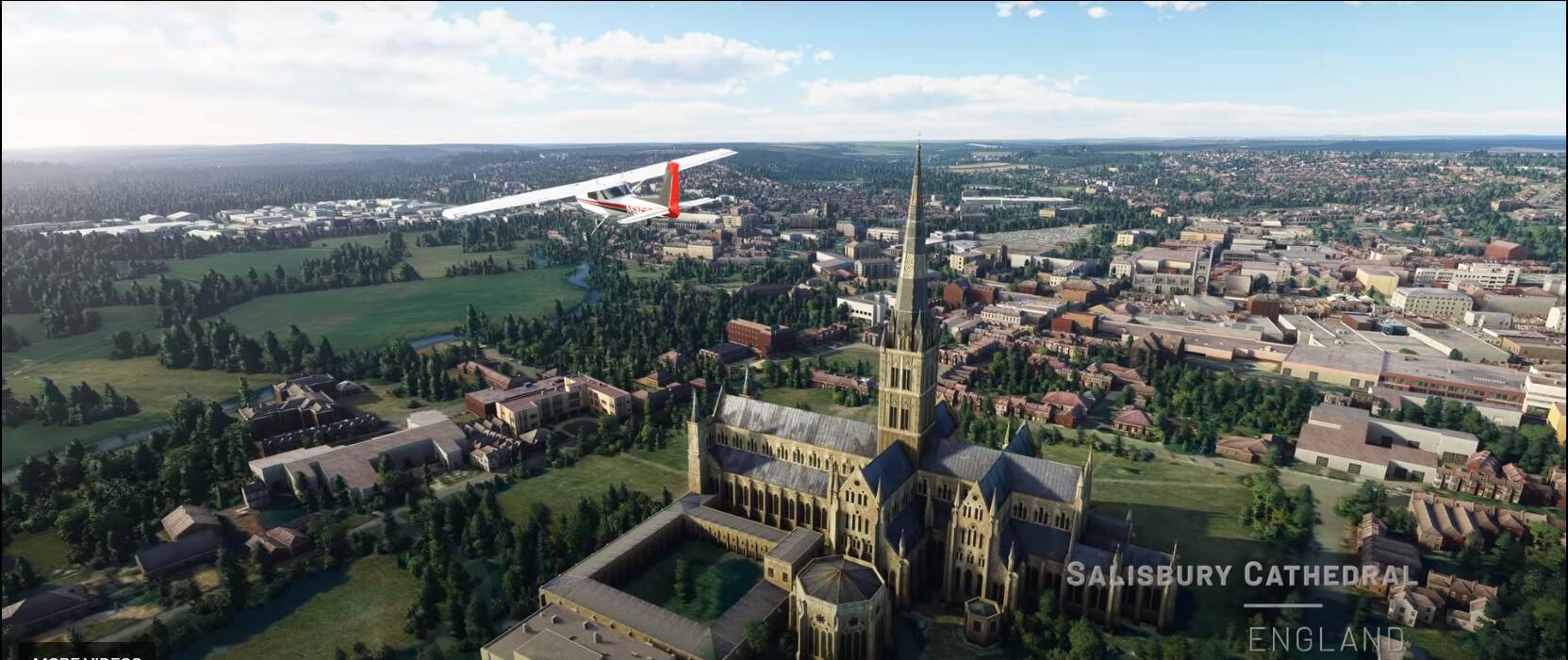
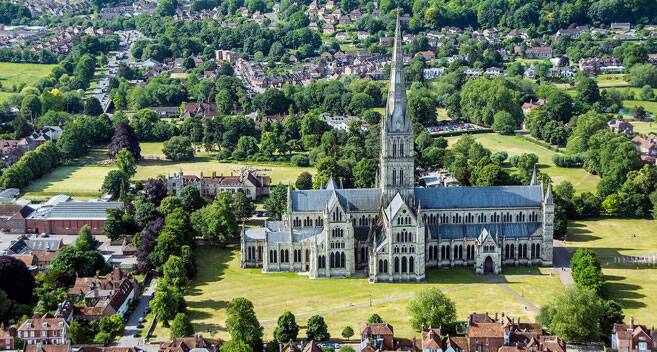
There explanation didn’t really address the issue that the OP is talking about though which is due to peculiar biome system used in the sim. We have a random mix of trees types in the UK for example, a roughly 50-50 distribution of deciduous and conifers which is why it looks peculiar. Until they find a way to identify tree types and correctly place conifer types where conifers should exist on the photo scenery and deciduous everywhere else we will continue to see inappropriate tree types in the sim scenery.
This is actually quite easy for them to accomplish. There’s tons of biome information out there for the whole planet, including how it’s distributed, etc..
I’m imagining, hope, it’s a work in progress. This has been an industry for FS in this detail since the 90’s, culminating in landclass products like Ultimate Terrain and others.
Can you explain in more detail please? sounds interesting…
Probably part of the problem is the ecosystem of the sim itself, where most areas around the world get trees like you mostly find in Scandinavia, Russia etc.
Regardless I hope the tree textures will get better.
I just really really hope they change the biome for the “Central US forest-grasslands transition“ eco-region. It is currently set to Coniferous_Cold. Rather, it should be set to Deciduous. I’ve lived throughout that entire eco-region in real life. There are hardly any coniferous trees, all hardwood deciduous forests.
Also, the Blue Mountains Forest eco region is set to Deciduous biome, but should be set to Coniferous_Cold biome. Or at the very least this one should be set to mixed.
I’ve reported both of these in the zendesk. Both were marked as solved over a month ago, yet nothing changed in the World update. Really hope the biome guy at Asobo takes my advice. These are two regions, I am intimately familiar with and which can be verified by looking at street view photos throughout these regions.
I have gone through and changed about 90% of all ecosystems and adjusted and changed trees and colors and seasons based on native trees on every region. I can’t really post a link here because of censorship and policy against advertising.
The sim uses global biome information for deciding what trees to assign to different regions. But that doesnt cater for trees at a local level. Take Cumbria in the UK, it has conifer plantations used for sustainable timber. The sims doesnt cater for something like my cumbrian example though, that’s why things look odd, the current biome system is just too broad and generalised. What is needed is a similar system to what we have for rivers or roads, actual data with a much finer resolution to determine what trees are where in any given area down to town or even street level, not this broad brush stroke biome system we have now.
 sounds interesting…